Top Wood Chipper Solutions: Maximize Efficiency in Your Outdoor Projects
2026-03-29
Outdoor projects demand tools that not only get the job done but elevate your efficiency to new heights. Enter the world of wood chippers: the unsung heroes of landscaping, forestry, and DIY ventures. At Kowloon Machinery, we understand that maximizing productivity starts with the right equipment, and our top solutions are designed to transform your workflow. Whether you’re tackling a backyard cleanup or managing a larger-scale operation, this guide dives into how modern wood chippers can streamline your tasks, reduce waste, and boost your project’s success. Let’s explore the innovations that make these machines indispensable—and discover why they’re more than just tools; they’re your partners in achieving outdoor mastery.
How to Choose the Perfect Wood Chipper for Your Backyard
Picking the right wood chipper for your backyard isn't just about grabbing any machine off the shelf; it's about finding one that works with your specific needs. Start by assessing the size of your space and the types of branches or debris you'll be handling. For example, if you have a small garden with occasional twigs, a compact electric model might be ideal, while larger yards with thick limbs could require a powerful gas-powered chipper. Don't forget to check the noise level and ease of operation to ensure it fits smoothly into your routine.
Beyond the basics, consider the chipper's safety features and durability, as investing in a reliable model can save you time and hassle in the long run. Look for options with robust blades, stable construction, and simple maintenance to keep it running efficiently. Testing out different models or reading user reviews can offer real-world insights into performance, helping you avoid common pitfalls like frequent jams or difficult assembly.
Ultimately, balancing cost with functionality is key; while budget-friendly chippers exist, they might not handle heavier tasks well. Take your time to compare brands and features, focusing on what truly matters for your backyard projects. With a bit of research, you'll end up with a dependable tool that transforms yard waste into useful mulch, making your outdoor space more manageable and enjoyable.
Tips for Boosting Chipper Performance and Safety
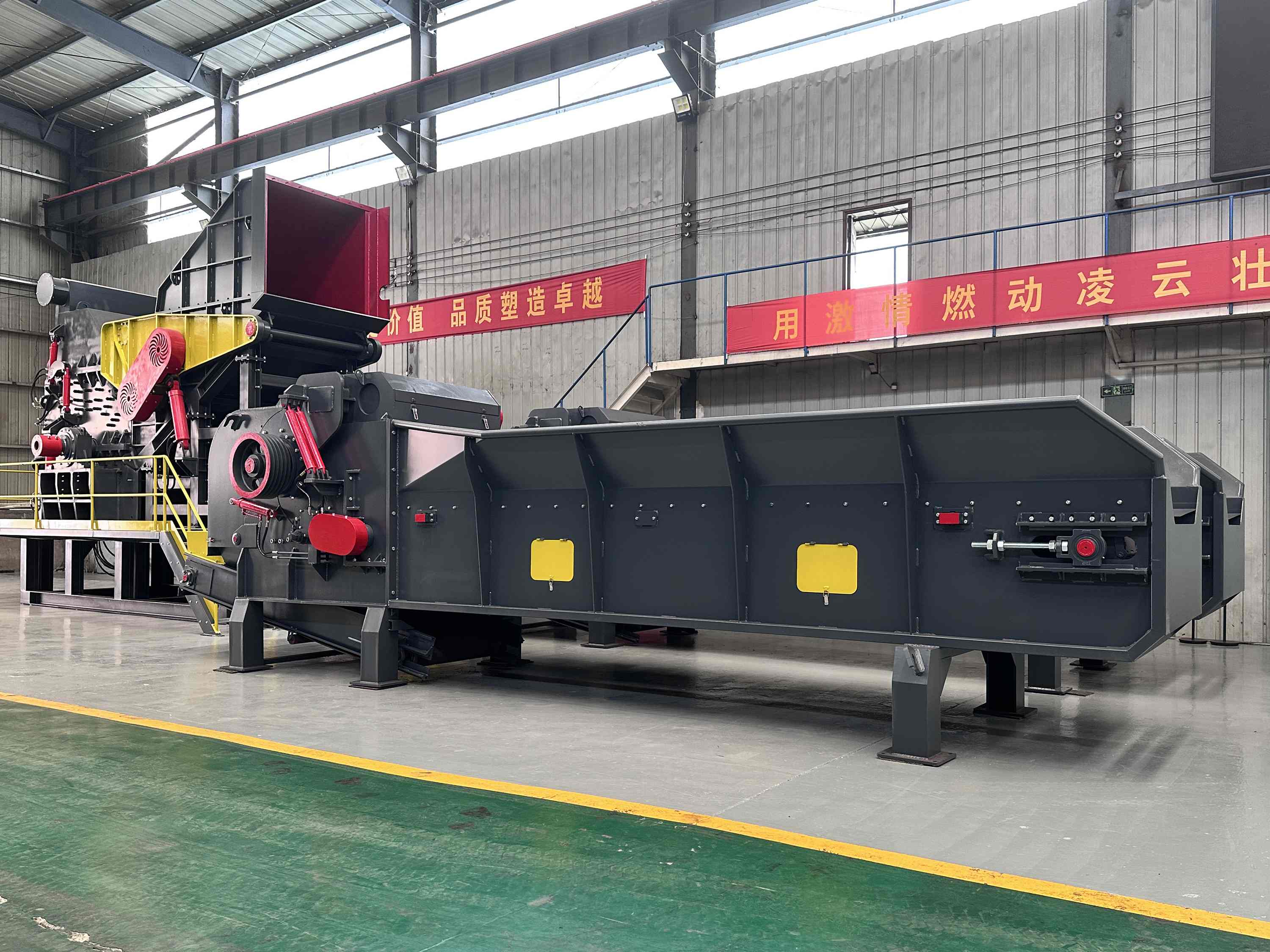
Regular maintenance is crucial for keeping your chipper in top shape. Start by inspecting and cleaning the blades frequently, as sharp blades not only cut more efficiently but also reduce strain on the engine, preventing unexpected breakdowns. Check all moving parts, such as belts and bearings, for wear and tear, and lubricate them as needed to ensure smooth operation. Don't forget to empty the collection bag regularly to avoid clogging and maintain optimal airflow.
Enhancing safety while operating your chipper involves a few key practices. Always wear appropriate protective gear, including gloves, goggles, and ear protection, to guard against flying debris and noise. Position the chipper on a stable, flat surface to prevent tipping, and keep bystanders at a safe distance. Before feeding branches, remove any foreign objects like rocks or metal to prevent jams and potential damage. Following these steps helps minimize risks and ensures a smoother workflow.
To boost performance and longevity, consider adjusting your usage habits. Feed material slowly and steadily to avoid overloading the machine, which can lead to overheating or motor burnout. Use the chipper for materials within its recommended capacity, and avoid forcing thick branches that it's not designed to handle. Storing the equipment in a dry, covered area when not in use protects it from weather damage and rust. Consistent care and mindful operation can significantly extend the life of your chipper while keeping it running efficiently.
Creative Uses for Wood Chips in Landscaping Projects
Wood chips bring a rustic charm to gardens and yards, serving as more than just mulch. One standout idea is to create winding pathways that guide visitors through your landscape, adding texture and natural curb appeal. These paths not only suppress weeds but also break up hardscapes softly, blending with surrounding plants for an organic flow. For instance, using darker chips under trees can highlight their bark, while lighter varieties near flowers might pop visually, making every stroll a scenic experience.
Beyond paths, wood chips excel as filler material in creative garden features. Consider building raised beds or borders where they act as a lightweight, insulating layer that retains moisture and enriches soil over time. Some gardeners mix chips with compost for better aeration, fostering healthier root systems. In play areas, chips provide a cushioned surface that's safer for kids, while in pet zones, they can help control odors and mud—practical touches that elevate functionality beyond aesthetics.
For those seeking artful touches, wood chips can be dyed or arranged into patterns like mosaics and mandalas within flower beds, adding bursts of color without chemicals. They're also perfect for crafting rustic benches or filling gaps between stepping stones, ensuring each project feels uniquely tailored. By repurposing fallen branches or leftover lumber, this approach champions sustainability, turning what might be waste into a cherished part of your outdoor sanctuary.
Maintaining Your Machine for Long-Term Efficiency
Keeping your machine running smoothly over the years isn't just about fixing things when they break—it's about building habits that prevent issues before they start. Regular checks, like cleaning out dust from vents or ensuring software updates are current, can make a noticeable difference in performance and lifespan. Think of it as giving your equipment a bit of TLC; small, consistent efforts often pay off in reduced downtime and fewer costly repairs down the line.
Beyond routine upkeep, paying attention to how you use your machine daily can also extend its efficiency. Avoid pushing it to its limits constantly, as overloading components might lead to premature wear. Instead, consider workload distribution or using energy-saving modes when appropriate. Tailoring usage to match your machine's capabilities ensures it handles tasks more reliably, keeping it in top shape without unnecessary strain.
Ultimately, long-term efficiency comes down to proactive care and smart practices. Don't wait for warning signs like slowdowns or strange noises to act; schedule periodic maintenance, keep an eye on performance metrics, and adapt your approach based on how the machine responds. This mindful approach not only maximizes productivity but also fosters a deeper understanding of your equipment, helping you spot potential improvements or adjustments along the way.
Comparing Electric vs. Gas-Powered Chipper Models
When you're shopping for a chipper, the choice between electric and gas models often comes down to balancing power needs with practical considerations like noise levels and portability. Electric chippers tend to run quieter and require less maintenance, making them a solid pick for suburban yards where neighbors might complain about the racket of a gas engine. On the flip side, gas-powered units usually pack more horsepower, letting you chew through thicker branches without breaking a sweat—handy if you're clearing out a wooded lot or tackling large-scale projects.
But it's not just about brute force. Electric models shine in convenience, with simple plug-and-play operation that skips the fuss of fuel mixing or winterizing. They're often lighter and easier to maneuver around tight spaces, though you'll need to keep an eye on cord length or battery life if you opt for a cordless version. Gas chippers, meanwhile, offer unmatched freedom to roam wherever the job takes you, but they do demand regular upkeep like oil changes and spark plug replacements to stay running smoothly.
Cost and environmental impact also play into the decision. Electric chippers typically have lower long-term expenses, since electricity is cheaper than gasoline and there are fewer parts to wear out. They're also greener, producing zero emissions at the point of use, which is a big plus if you're aiming for an eco-friendly yard care routine. Gas models might have a higher upfront price and ongoing fuel costs, but their raw power and durability can justify the investment for heavy-duty tasks, especially in remote areas without easy access to power outlets.
Eco-Friendly Practices with Wood Chipping Solutions
Wood chipping isn't just about turning logs into manageable pieces; it's a powerful tool for sustainable waste management. By repurposing tree branches, stumps, and other green waste from landscaping or forestry operations, wood chipping helps divert materials from landfills, reducing methane emissions and conserving valuable space. This process transforms what might have been discarded into valuable resources like mulch or biomass, supporting a circular economy where nothing goes to waste.
Beyond waste reduction, wood chipping plays a key role in promoting soil health and biodiversity. The resulting wood chips can be used as organic mulch in gardens, parks, or agricultural fields, where they help retain moisture, suppress weeds, and gradually enrich the soil as they decompose. Unlike synthetic alternatives, this natural mulch fosters beneficial microbial activity and provides habitat for insects and small organisms, contributing to a more vibrant and resilient ecosystem.
Moreover, wood chipping services often incorporate energy-efficient practices, such as using electric or low-emission equipment and optimizing fuel consumption during operations. Many providers are adopting renewable energy sources or partnering with local communities to process wood waste on-site, minimizing transportation-related carbon emissions. This holistic approach not only makes wood chipping an eco-friendly choice but also inspires broader environmental stewardship in urban and rural settings alike.
FAQ
A well-designed wood chipper can reduce yard waste quickly, turning branches into mulch that boosts soil health while saving disposal costs.
Consider yard size and waste type; smaller electric models suit light-duty tasks, while gas-powered ones handle thicker branches and frequent use better.
Yes, compact electric models are quiet and eco-friendly, ideal for city gardens or noise-restricted areas without sacrificing performance.
Always wear protective gear like gloves and goggles, avoid loose clothing, and feed branches slowly to prevent kickbacks and injuries.
Wood chips act as natural mulch, retaining moisture, suppressing weeds, and enriching soil as they decompose over time.
For an eco-touch, consider renting a chipper to reduce carbon footprint or using manual tools like loppers for small-scale projects.
Regularly clean blades after use, check for wear, and follow the manual's lubrication schedule to keep it running smoothly for years.
Unlike burning or hauling waste, chippers offer a sustainable way to recycle debris into useful materials, cutting down on landfill contributions.
Conclusion
Selecting the right wood chipper is crucial for maximizing efficiency in your outdoor projects, whether you're a homeowner tackling backyard cleanup or a professional landscaper. The decision often hinges on choosing between electric and gas-powered models, as electric chippers offer quieter operation and eco-friendly benefits, while gas-powered ones provide greater power and mobility for larger tasks. To make an informed choice, consider factors like the size of branches you'll process, available power sources, and long-term maintenance needs. Safety should never be overlooked—always follow tips such as wearing protective gear and keeping the machine away from children. By thoughtfully comparing these aspects, you can pick a chipper that not only boosts performance but also ensures your projects run smoothly and safely.
Beyond mere functionality, wood chippers can elevate your landscaping with creative and sustainable practices. Once you have the perfect machine, explore how wood chips can be repurposed in garden projects, from mulching flower beds to creating natural pathways that suppress weeds and retain soil moisture. This ties into eco-friendly solutions, helping reduce waste while enhancing your yard's aesthetics. Regular maintenance, such as cleaning blades and checking for wear, is essential for long-term efficiency, preventing breakdowns and extending the machine's lifespan. Integrating these creative uses and upkeep routines ensures your chipper remains a reliable tool, turning outdoor chores into opportunities for innovation and environmental stewardship. Ultimately, a well-chosen and cared-for wood chipper transforms yard work into a productive and enjoyable part of your outdoor lifestyle.
Contact Us
Contact Person: Ray
Email: [email protected]
Tel/WhatsApp: +86 13733817580
Website: https://www.zzkowloon.com/