
Top SF₆ Load Switches: Key Features and Installation Benefits for Efficient Power Management
2026-01-17
In the rapidly evolving world of power management, efficiency and reliability are non-negotiable. For engineers, facility managers, and decision-makers looking to optimize electrical systems, SF₆ load switches have emerged as a game-changing solution. But with so many options on the market, what truly sets the top performers apart? In this blog, we'll dive into the key features and installation benefits of leading SF₆ load switches, spotlighting how they enhance power distribution and safety. As leaders in innovative electrical solutions, Lugao brings decades of expertise to this discussion, offering insights that go beyond the specs to practical, real-world applications. Whether you're upgrading an existing setup or planning a new installation, discover why these advanced switches are becoming indispensable for modern power networks. Let's explore how embracing cutting-edge technology can drive operational excellence and cost savings, paving the way for smarter energy management.
Essential Traits of High-Performance SF₆ Load Switches
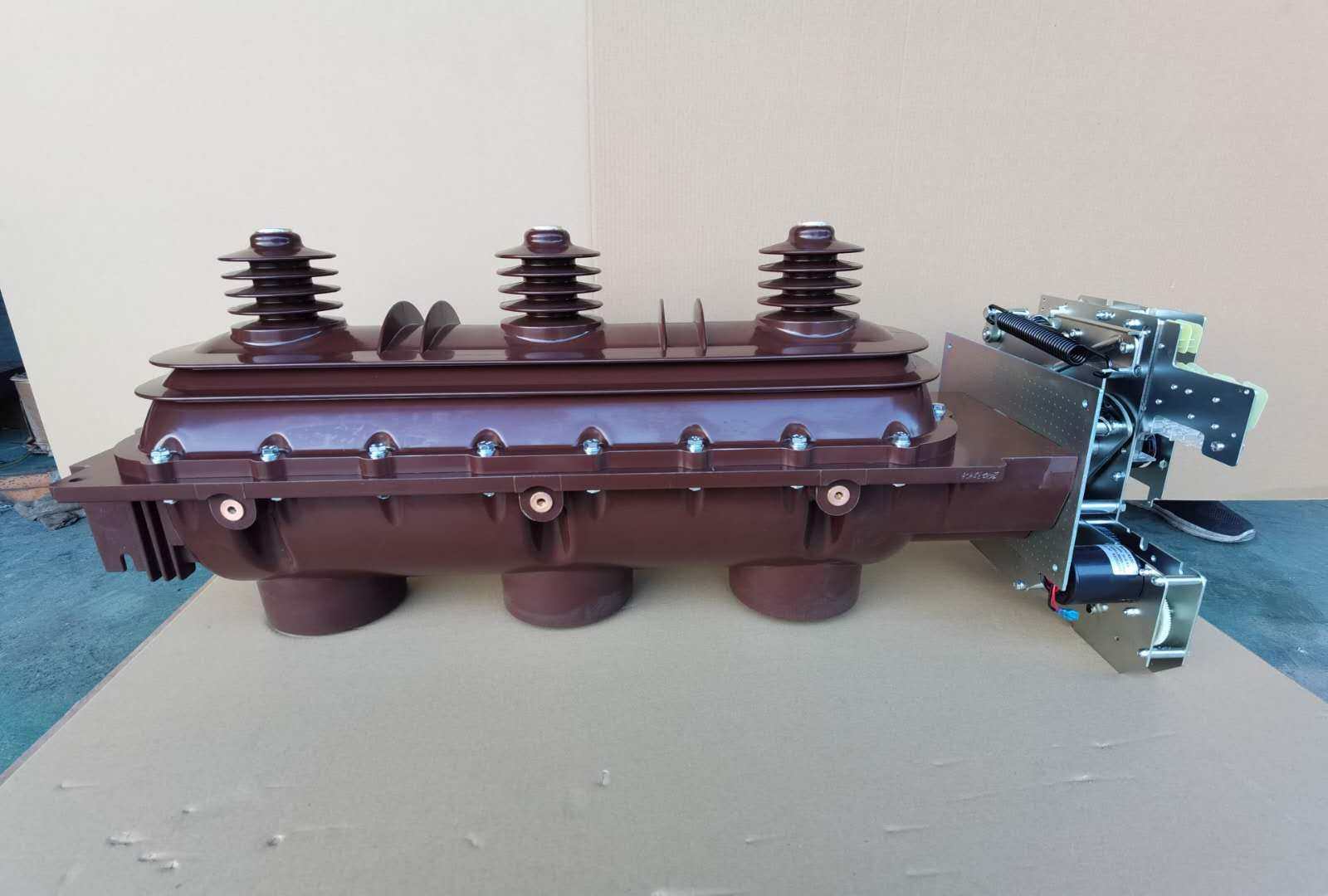
High-performance SF₆ load switches are pivotal in power distribution networks, distinguished by their ability to handle heavy electrical loads with remarkable reliability. These switches leverage sulfur hexafluoride's excellent insulating and arc-quenching properties, which ensure stable operation even under demanding conditions like high voltage surges or frequent switching. A key trait is their robust construction, often featuring durable materials and sealed enclosures that prevent gas leakage, thereby maintaining efficiency and safety over long periods. This resilience minimizes downtime and reduces maintenance needs, making them a cost-effective choice for utilities and industrial applications where uninterrupted power is critical.
Another essential trait lies in their advanced operational mechanisms, which include precise control systems and fast-acting components that enable swift and accurate load management. These switches often incorporate smart monitoring capabilities, such as real-time feedback on gas pressure and contact wear, allowing for proactive maintenance and enhanced operational visibility. This integration of technology not only boosts performance but also adapts to modern grid demands, supporting automation and remote management. By blending mechanical durability with digital intelligence, high-performance SF₆ load switches offer a nuanced solution that goes beyond basic functionality to address evolving energy challenges.
To stand out, these switches often include innovative design features tailored to specific environments, such as compact footprints for space-constrained installations or enhanced corrosion resistance for harsh climates. Customization options, like adjustable trip settings or compatibility with renewable energy sources, further differentiate them in the market. Emphasizing user-friendly interfaces and compliance with stringent international standards adds value, ensuring they meet diverse regulatory requirements while delivering consistent, high-quality performance. This focus on adaptability and precision makes high-performance SF₆ load switches not just reliable tools but strategic assets in optimizing power networks.
Ensuring Reliability and Safety in Power System Operations
When it comes to keeping the lights on and the grid running smoothly, reliability and safety aren't just goals—they're fundamental necessities woven into every aspect of power system management. Think of it like this: operators oversee a vast, intricate network that balances supply and demand in real-time. To do this effectively, they rely on advanced monitoring tools and predictive analytics to spot potential issues before they snowball into outages. It's a continuous dance of adjusting loads, maintaining equipment, and planning for contingencies, all aimed at minimizing disruptions and ensuring power flows where it's needed most.
Safety, on the other hand, goes hand-in-hand with reliability, protecting both the infrastructure and the people who rely on it. This involves rigorous protocols for everything from routine maintenance to emergency response, such as isolating faulty components or managing extreme weather events. By investing in robust training programs and cutting-edge technologies like automated fault detection, operators can reduce risks and enhance overall system resilience. It's not just about preventing accidents; it's about building a culture where safety is ingrained in every decision, from the control room to the field.
What sets modern approaches apart is their proactive nature—integrating renewable energy sources and smart grid innovations to bolster both reliability and safety. For instance, distributed generation and energy storage systems offer backup during peak demand or failures, while digital twins simulate scenarios to refine strategies. This evolution means operators aren't just reacting to problems; they're anticipating them, adapting to changing conditions, and ensuring a stable, secure power supply that can withstand today's complex challenges, from cyber threats to climate impacts.
Streamlined Installation for Enhanced Power Grid Efficiency
Implementing a streamlined installation process can significantly boost power grid efficiency, directly impacting operational costs and reliability. By reducing the time and complexity involved in deploying new infrastructure or upgrading existing systems, utilities can minimize downtime and accelerate the integration of renewable energy sources. This approach often involves prefabricated components and standardized procedures, which enhance safety and reduce human error during installation. As a result, grids become more resilient and responsive to fluctuating energy demands, ultimately leading to lower electricity prices for consumers and a reduced carbon footprint.
Beyond just speeding up projects, streamlined installation contributes to enhanced grid performance through improved monitoring and control capabilities. For instance, advanced sensors and smart devices can be integrated more seamlessly when installation is simplified, enabling real-time data collection and adaptive management of power flows. This facilitates quicker fault detection and automated responses to issues like voltage drops or overloads, preventing widespread outages and optimizing energy distribution. Such proactive maintenance, supported by efficient installation practices, ensures that grids operate at peak efficiency with fewer interruptions.
In practical terms, adopting streamlined methods often involves training personnel in modular techniques and leveraging digital tools like 3D modeling to plan installations precisely. This not only cuts down on waste and resource use but also allows for more flexible grid expansions in urban and remote areas alike. As power systems evolve to incorporate diverse energy sources, from solar farms to electric vehicle charging stations, a simplified installation framework enables faster adaptation and scalability, supporting long-term grid stability and innovation in the energy sector.
Flexibility and Scalability in Power Management Solutions
In today's rapidly evolving tech landscape, power management solutions must adapt to diverse and shifting demands. Flexibility allows systems to handle varying loads and unexpected spikes, while scalability supports growth without a complete overhaul. This balance is crucial for ensuring reliability and efficiency, whether in consumer electronics or large-scale industrial setups.
Beyond just handling more power, flexible and scalable solutions incorporate modular designs and intelligent controls. These features enable seamless integration with renewable energy sources and smart grids, reducing downtime and environmental impact. As businesses expand, such systems can evolve effortlessly, avoiding costly retrofits and maintaining peak performance over time.
Looking forward, the synergy between flexibility and scalability will drive innovations like adaptive power distribution and predictive maintenance. By prioritizing these aspects, companies can future-proof their operations, staying ahead in a competitive market where energy efficiency and reliability are paramount for long-term success.
Long-Term Operational Benefits and Reduced Downtime
Achieving long-term operational benefits and minimizing downtime involves adopting a holistic approach that prioritizes proactive practices. By implementing robust maintenance schedules, leveraging predictive analytics, and fostering a culture of continuous improvement, organizations can significantly enhance efficiency. This not only streamlines day-to-day processes but also contributes to overall resilience, ensuring sustained performance over years.
Reducing unplanned interruptions requires a strategic focus on system redundancy and employee training. Investing in reliable infrastructure, such as backup systems and modular components, allows for quick recovery when issues arise. Additionally, empowering teams with hands-on experience and clear protocols fosters a responsive environment, effectively cutting downtime and boosting operational confidence.
Ultimately, the synergy between advanced technology and human expertise yields tangible advantages. Real-time monitoring tools paired with agile decision-making processes create a dynamic framework that adapts to changing demands. This combination not only prevents costly disruptions but also unlocks opportunities for innovation, driving long-term growth and competitiveness in today's fast-paced landscape.
Sustainable Power Distribution with Advanced SF₆ Technology
In the realm of sustainable power distribution, advanced SF₆ technology is emerging as a game-changer, blending efficiency with environmental stewardship. Traditionally used in electrical insulation for high-voltage equipment, SF₆ gases have been re-engineered to minimize their environmental footprint, addressing concerns about their global warming potential. By optimizing gas mixtures and deploying advanced monitoring systems, utilities can now reduce leakages and enhance grid reliability, making it a cornerstone for greener energy networks that prioritize both performance and planetary health.
What sets advanced SF₆ apart is its ability to complement renewable energy integration seamlessly. As grids incorporate more intermittent sources like solar and wind, the need for stable, long-distance power transmission grows. Innovations in SF₆-insulated switchgear ensure minimal energy loss and robust protection against faults, enabling smoother transitions to sustainable grids. This technology not only supports the expansion of clean power but also reduces operational downtime, offering a practical solution that resonates with forward-thinking energy managers looking to future-proof their infrastructure.
Beyond technical specs, the human-centric design of modern SF₆ systems fosters a safer, more adaptable grid ecosystem. With features like real-time diagnostics and predictive maintenance tools, operators gain unprecedented control over distribution networks, turning potential vulnerabilities into strengths. By integrating these advancements, communities can rely on a power supply that's not only sustainable but also resilient in the face of climate challenges, marking a shift from traditional methods to smarter, planet-friendly practices that are tailored to today's dynamic energy demands.
FAQ
SF₆ load switches offer superior insulation and arc-quenching capabilities, reducing maintenance needs and enhancing safety in high-voltage applications.
Features like compact design, reliable switching, and minimal gas leakage ensure consistent performance and lower energy losses over time.
Simplified installation processes and compatibility with existing infrastructure reduce downtime and optimize grid reliability.
SF₆'s high dielectric strength and thermal stability allow switches to operate reliably under extreme conditions, such as high temperatures or humidity.
Their durability and low maintenance requirements decrease operational expenses and extend equipment lifespan compared to alternatives.
Proper handling to prevent gas leaks, adherence to environmental regulations for SF₆ disposal, and use of protective gear are critical for safe setups.
Yes, many modern models support IoT connectivity, enabling real-time data tracking and predictive maintenance for improved power management.
They are ideal for substations, industrial plants, and renewable energy systems where reliable load switching and minimal interruptions are essential.
Conclusion
In power management systems, SF₆ load switches are highly valued for their essential traits, including superior insulation and reliable circuit breaking capabilities. These features ensure the consistent safety and reliability of power system operations, meeting stringent demands in modern electrical grids. Furthermore, the streamlined installation process enhances overall efficiency by reducing setup time and complexities, while flexibility and scalability allow these switches to adapt to various configurations, supporting the dynamic needs of contemporary power management solutions.
The advanced SF₆ technology contributes to sustainable power distribution through improved environmental performance and reduced maintenance requirements. This innovation leads to long-term operational benefits, such as extended service life and minimized downtime, ultimately optimizing power grid efficiency. By integrating these key aspects, SF₆ load switches offer a comprehensive approach that supports robust and eco-friendly power management, aligning with evolving industry standards and user expectations.
Contact Us
Contact Person: Doreen
Email: [email protected]
Tel/WhatsApp: 8618057712366
Website: https://www.liugaopower.com/