
Top Pressure Vessel Designs for Industrial Efficiency in 2025
2026-06-03
As industries push the boundaries of efficiency, pressure vessel design is undergoing a quiet revolution. From advanced materials to smarter layouts, the top pressure vessel designs of 2025 are redefining what’s possible. At the forefront, companies like DYE are driving these innovations—blending safety with performance in ways that were once out of reach. Whether you’re upgrading aging infrastructure or planning a new plant, the trends ahead are too impactful to ignore. Here’s a look at what’s changing and why it matters.
Rethinking Material Choices for Next-Gen Pressure Vessels
The search for materials that can withstand extreme pressures while remaining lightweight has taken engineers beyond conventional steel and aluminum. Advanced composites, once confined to aerospace, are now being tailored for next-generation pressure vessels. Carbon fiber-reinforced polymers, for instance, offer remarkable tensile strength with a fraction of the weight, but their long-term behavior under cyclic loading and exposure to corrosive media demands meticulous evaluation. Hybrid layups that blend glass and carbon fibers are gaining traction, as they balance cost and performance more effectively than single-material approaches.
Metallic liners paired with composite overwraps represent another compelling route. Here, the inner shell handles gas permeation while the outer wrap shoulders the hoop stress. Aluminum alloys with refined grain structures show improved fatigue resistance, and new welding techniques minimize heat-affected zones that once served as failure initiation sites. Meanwhile, polymer liners extruded with nano-clay additives push the boundaries of hydrogen compatibility, addressing embrittlement concerns that have long plagued steel tanks.
Perhaps the most disruptive shift lies in the adoption of smart materials that can signal their own health. Embedded fiber-optic sensors and self-healing matrices, though still in early stages, could transform maintenance cycles and extend service life dramatically. As regulations tighten around high-pressure storage, material selection is no longer just about static properties—it is a dynamic interplay of manufacturability, lifecycle emissions, and real-time structural awareness.
How Modular Designs Are Cutting Downtime in Half
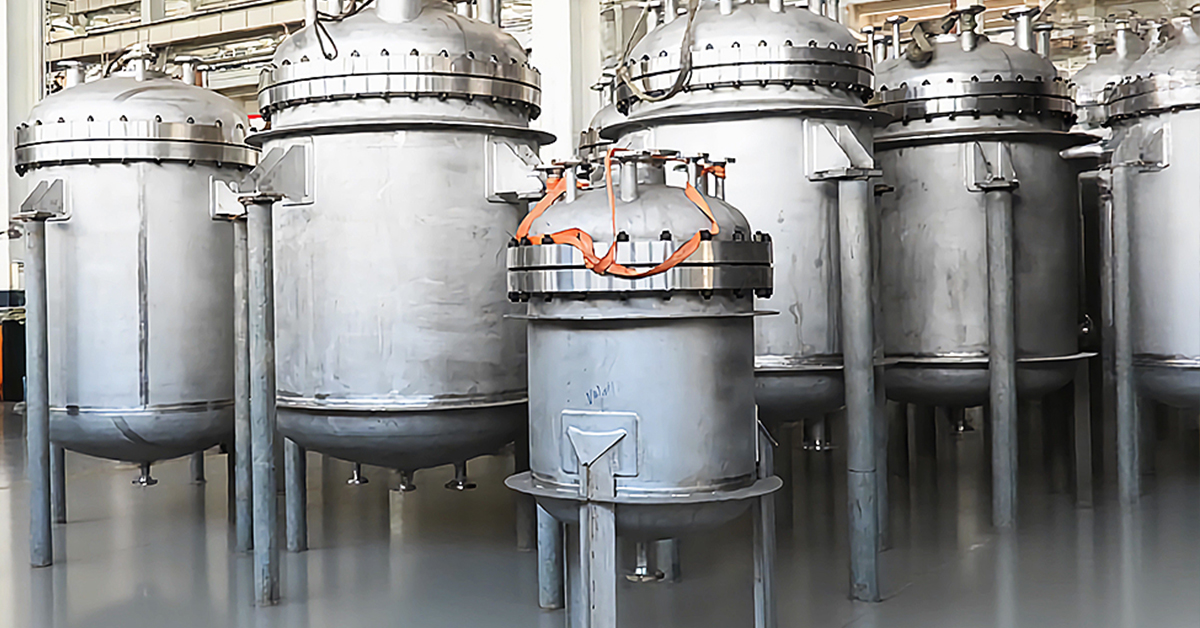
Traditional manufacturing setups often treat an entire production line as a single, rigid entity. When one component fails, the whole system grinds to a halt, leading to costly downtime that can ripple through supply chains. Modular design turns this model on its head by breaking complex systems into independent, swappable units. Each module can be detached, repaired, or upgraded without touching the rest of the machinery. This localized approach means that a failure in a conveyor module, for example, doesn't force the packaging or labeling stages to stop. Maintenance crews simply roll in a replacement unit and swap it out in minutes, keeping the bulk of the line running.
The speed of recovery is where modularity truly shines. Because modules are standardized and pre-tested, there's no need for on-the-spot troubleshooting or custom fabrication. In sectors like pharmaceuticals or food processing, where cleanliness and validation are paramount, swapping a sealed modular pump or valve bypasses lengthy disassembly and recertification. One plant manager noted that what used to be a six-hour cleaning and repair job became a 45-minute cassette change. Over time, these small wins accumulate, slashing overall downtime by half or more. The predictability also allows for smarter scheduling, turning emergencies into planned mini-events.
Beyond repairs, modular thinking enables parallel workflows that were once impossible. Instead of waiting for an entire machine to be idle for upgrades, teams can recondition or enhance one module while the rest continue producing. This concept extends to software and control systems, where modular architectures let updates happen without full system restarts. As a result, factories can adopt innovations iteratively, staying ahead without punishing disruption. The net effect is a fundamental shift from reactive firefighting to a resilient, always-improving operation—where downtime is no longer an accepted cost of doing business.
The Rise of Smart Sensors in Pressure Containment
Pressure containment systems have long relied on conventional gauges and manual inspection routines to ensure safety and performance. Yet these methods often fall short when it comes to detecting subtle, early-stage anomalies that can escalate into catastrophic failures. The integration of smart sensors represents a fundamental shift, embedding real-time intelligence directly into vessels, pipelines, and storage units. Unlike their analog predecessors, these sensors continuously monitor multiple parameters—such as stress, temperature, and corrosion rates—and use onboard processing to distinguish between normal fluctuations and genuine threats. This proactive approach not only reduces reliance on periodic checks but also unlocks a level of granularity that transforms how engineers understand containment behavior under dynamic operating conditions.
What makes modern smart sensors particularly transformative is their ability to communicate and adapt within industrial networks. Equipped with wireless connectivity and edge computing capabilities, they feed streaming data into centralized platforms where machine learning models can identify patterns invisible to the human eye. In a chemical plant, for example, a distributed array of acoustic emission sensors might detect microscopic crack propagation weeks before a leak would occur, automatically adjusting pressure thresholds or alerting maintenance teams. The result is a shift from scheduled maintenance to condition-based strategies, slashing downtime and extending asset life. Companies that have adopted these technologies report not just fewer incidents but also significant reductions in operational costs, as sensors help optimize pressure levels for energy efficiency without compromising safety margins.
However, the rise of smart sensors also introduces new challenges that the industry is actively navigating. The sheer volume of data generated demands robust cybersecurity measures and interoperability standards—without them, the promise of a connected ecosystem could become a vulnerability. Calibration drift, power supply limitations in remote locations, and the need for sensor fusion across disparate technologies all require careful engineering. Despite these hurdles, the trajectory is clear: smart sensors are becoming smaller, more energy-efficient, and increasingly self-diagnosing. As they evolve, pressure containment is moving toward a future where systems don't just withstand loads but intelligently respond to them, blurring the line between structural component and active safety system.
Streamlined Fabrication Techniques Redefining Production Speed
The shift toward modular production cells has quietly reshaped how assembly lines handle complexity. Instead of pausing an entire line for a single changeover, these self-contained units swap tooling and recalibrate in minutes—sometimes seconds—by leaning on quick-release fixtures and pre-programmed robotic paths. The result is a floor that no longer bleeds time between product variants, keeping output steady even when demand swings.
Real-time process monitoring now does more than flag defects; it actively prevents slowdowns. Vibration sensors on spindles, thermal cameras watching weld pools, and current draw analytics on servo motors all feed into a control layer that fine-tunes parameters mid-cycle. When a cutting tool shows early wear, the system nudges feed rates or schedules a swap during a natural pause, avoiding the cascade of stoppages that used to plague high-mix environments.
Material advancements have quietly eliminated some of the longest waits in fabrication. UV-cured adhesives that reach handling strength in under a second, sintered powdered metals that skip post-machining steps, and multi-material deposition heads that combine structural and conductive layers in one pass all cut hours from production calendars. These techniques aren't just faster—they let engineers rethink part counts, consolidating assemblies into single builds that shave time from both fabrication and downstream inventory handling.
Why Compact Footprints Are Dominating Plant Layouts
The shift toward compact plant layouts isn’t just about saving square footage—it reflects a deeper rethinking of operational priorities. When floor space tightens, waste naturally comes under scrutiny. Teams are forced to eliminate redundant movement, streamline material flow, and redesign processes that once sprawled across unnecessary buffer zones. The result is often a leaner, more responsive production line where every inch justifies its existence. What’s interesting is how this pressure cooker effect breeds creativity: engineers begin treating space as a critical resource, not an afterthought, and that mindset spills over into quality, maintenance, and even supply chain decisions.
Capital efficiency is another quiet driver. Building and maintaining gigantic facilities comes with a hefty price tag—heating, cooling, lighting, and cleaning costs scale with area, not output. A trimmer footprint means lower overhead, which directly improves margins without touching product pricing. In industries where equipment is becoming more modular and digital controls reduce the need for sprawling cable trays and auxiliary rooms, the argument for megastructures weakens. Companies are discovering that they can achieve the same throughput in half the space by stacking systems vertically, integrating cells, and adopting smarter layout philosophies that were once considered too radical.
There’s also a human element at play. Compact plants often promote better collaboration simply because people are closer together. When operators, technicians, and supervisors share a tighter workspace, informal communication flourishes, and problems surface faster. Cross-training becomes more natural, and the line between departments blurs in a healthy way. This isn’t to say that cramming people into tight corners is the goal—ergonomics and safety must still reign—but when planned thoughtfully, density fosters a tangible sense of shared purpose that oversized facilities tend to wash out with distance.
Energy Recovery Systems That Turn Waste into Profit
Energy recovery systems are reshaping how industries handle waste, converting what was once a disposal cost into a steady revenue stream. Instead of simply incinerating or landfilling byproducts, these solutions capture thermal, kinetic, or chemical energy and feed it back into operations or the grid. A plant that redirects exhaust heat to preheat raw materials, for instance, can slash fuel consumption without any drop in output. It’s a quiet but powerful shift: waste stops being a liability and becomes a measurable asset on the balance sheet.
What makes modern recovery setups different is their adaptability. Modular heat exchangers, pressure reduction turbines, and biogas digesters can be retrofitted into existing infrastructure with minimal downtime. In food processing, organic residuals are fed into anaerobic digesters to produce methane, which powers boilers or generators. In cement and steel manufacturing, high-temperature off-gases drive turbines that cut electricity imports by double-digit percentages. The technology isn’t theoretical—it’s already running in facilities that treat every joule and every molecule as a resource to be recaptured.
Beyond the immediate savings, these systems act as a hedge against rising energy prices and tightening environmental regulations. They shrink a company’s carbon footprint without requiring a complete overhaul of core processes. When a textile mill reuses hot water condensate to run dyeing vats, or a data center channels server heat into district warming, the payoff arrives in both lower operating costs and stronger compliance postures. Real-world payback periods often fall between two and five years, after which the ongoing profit lifts margins indefinitely—proving that waste isn’t an endpoint, just an energy stream waiting to be tapped.
FAQ
Spherical vessels naturally distribute stress evenly across their entire surface, eliminating the weak points common in cylindrical tanks. There are no sharp corners where stress can concentrate, which means they can safely contain higher pressures without requiring excessive wall thickness. This material efficiency translates directly into lower weight and cost for the same storage volume, especially in applications like LPG storage or high-pressure gas containment where safety margins are critical.
Multi-layered shells allow engineers to use thinner, high-strength steel sheets wound tightly together, which avoids the limitations of producing extremely thick single plates. This design not only improves fracture toughness but also makes it possible to incorporate leak detection systems between layers. Industries handling hydrogen or corrosive chemicals benefit because a crack in one layer doesn't immediately compromise the whole vessel, giving operators time to respond safely.
These vessels pair a thin metal or polymer liner with a carbon fiber or glass fiber outer wrap. The liner handles chemical compatibility while the composite takes the mechanical load, slashing weight by up to 70% compared to all-metal tanks. In 2025, improved winding patterns and resin systems allow higher cycling life, making them dominant for mobile applications like hydrogen fuel cell vehicles and portable industrial gas supply.
Integrating heat exchange surfaces directly into the vessel shell or using internal coil bundles recovers thermal energy that would otherwise be wasted. For example, in ammonia synthesis reactors, the exothermic reaction heat is captured to preheat feed gases, reducing overall energy demand. This design eliminates the need for separate external heat exchangers, cutting footprint and piping complexity while improving process intensification.
Unlike fixed tube-sheet designs, the floating head allows the tube bundle to expand and contract freely with temperature changes. This prevents thermal stress damage at the joints, which is essential in processes that cycle between high and low temperatures. Maintenance becomes simpler too—the bundle can be pulled out for cleaning without disturbing the shell connections, a major advantage in refining and petrochemical plants.
Engineers now simulate pressure vessel performance under real-world operating conditions before fabrication, using digital twins that incorporate material degradation, fatigue, and corrosion data. This lets them optimize wall thickness, nozzle placement, and support structures for actual duty rather than conservative code minimums. In 2025, such models also feed into predictive maintenance systems, ensuring vessels operate within safe limits over their entire lifecycle.
Conclusion
In 2025, industrial efficiency hinges on rethinking how pressure vessels are conceived and built. Advanced composites and high-strength alloys are replacing traditional steels, enabling lighter yet more durable units that withstand extreme conditions without sacrificing longevity. This material shift pairs naturally with modular architectures—prefabricated sections that snap together on-site, slashing installation and maintenance downtime by half. Plants no longer need lengthy shutdowns; a faulty module can be swapped out in hours, keeping production lines humming. These designs also embrace compact footprints, allowing facilities to pack more capacity into limited space, a must in today’s crowded industrial parks.
Beyond physical design, smart technology is reshaping pressure containment. Embedded sensors continuously monitor stress, corrosion, and temperature, feeding data to predictive algorithms that flag issues before they escalate. This proactive approach prevents leaks and failures, reducing unplanned outages. At the same time, streamlined fabrication methods—like automated welding and 3D-printed components—are accelerating production from weeks to days. Finally, integrated energy recovery systems capture waste heat and pressure differentials, converting them into usable power. What was once a cost center becomes a profit generator, aligning with 2025’s sustainability and efficiency goals.
Contact Us
Contact Person: Ada Xu
Email: [email protected]
Tel/WhatsApp: 0577-86806088
Website: https://www.dayuwz.com/