
Threaded Ball Valve Supplier Selection Tips for Reliable Fluid Control
2026-11-20
Specifying the right threaded ball valve can quietly decide how well a fluid system holds up over time, yet the selection process often gets reduced to a quick glance at size and material. If you have ever dealt with premature seat wear, inconsistent shutoff, or repeated field adjustments, then you already know that a reliable valve is rarely the result of guesswork. In this guide, we walk through practical supplier evaluation points that go beyond basic datasheets, from sealing design and machining tolerance to traceability and after-sale support. Along the way, we also look at how manufacturers such as UPTAI approach these details, giving you a clearer benchmark for comparing options and avoiding costly compromises.
Material Certificates Deserve a Closer Read
Many buyers treat the material certificate as a formality, glance at the grade, and move on. That habit quietly introduces risk. A certificate carries more than a material designation; it records the melting practice, heat number, mechanical properties, surface condition, and sometimes the exact testing standard used. Small mismatches in any of those fields can put a component outside the intended specification.
A closer read often reveals why two suppliers quoting the same grade are not actually equal. One certificate might list a Charpy impact test at room temperature while another reports values at -20°C, or omits the test altogether. Traceability details matter too. Without a clear link from the heat number to the original mill, a re-issued document becomes harder to trust.
Discrepancies are rarely dramatic. They appear as an unlisted tolerance, a substituted testing method, or an outdated standard reference. But these details are exactly what can surface later during an audit or failure review. Reading the certificate line by line is not busywork; it is the cheapest verification available before material enters production.
Who Actually Machines the Valve Bodies
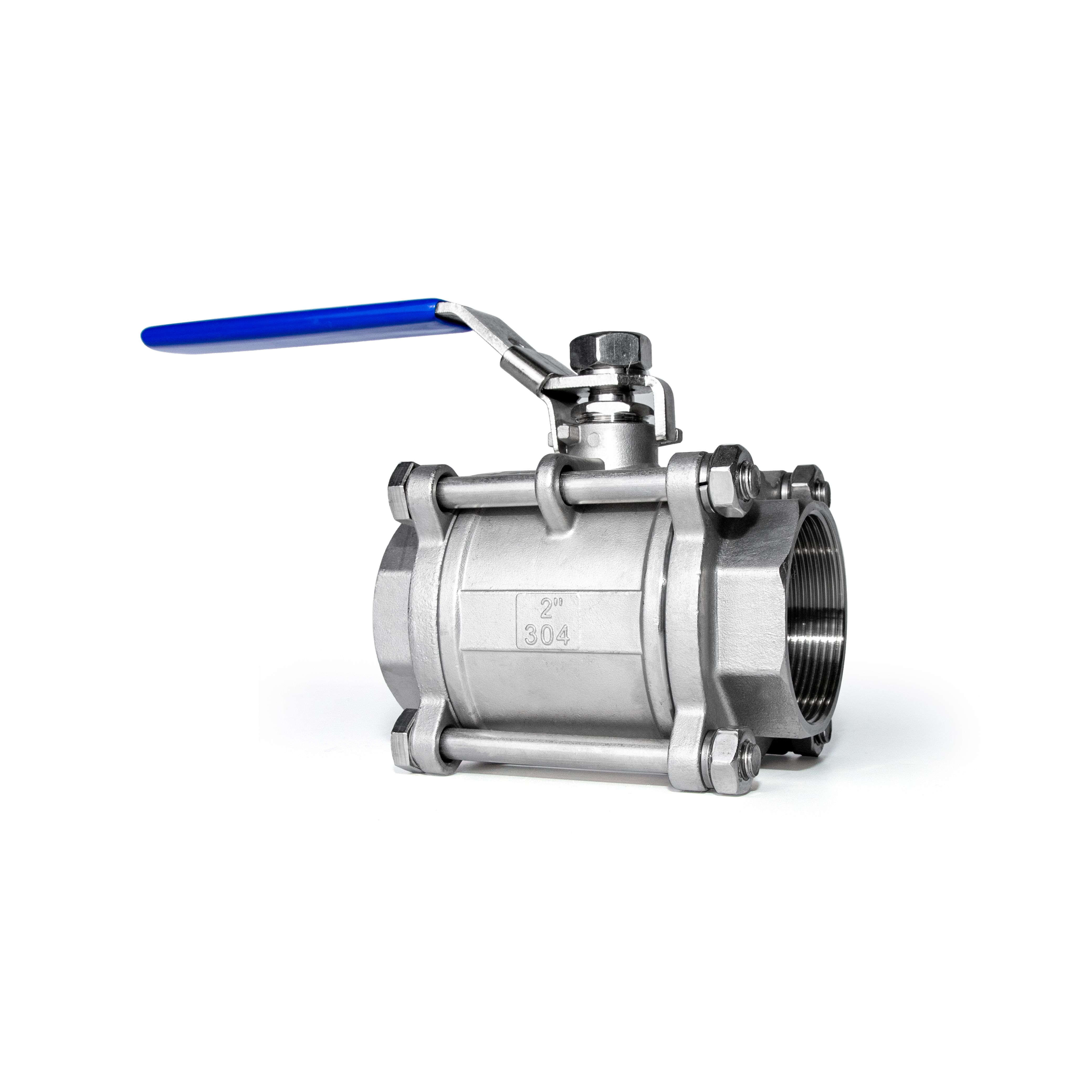
In most production programs, the rough and finish machining of a valve body happens either inside the automaker’s own powertrain plant or at a first-tier supplier that already produces other aluminum control components. The process is usually split across palletized machining centers, precision drilling for the spool bores, and then dedicated honing or reaming equipment that has to hold bore geometry well beyond what a standard milling operation can manage. The casting may carry a familiar logo, but that does not always reveal which facility actually cut the metal.
In the aftermarket and remanufacturing side, the shops that stay busy are the ones doing their own machine work. They flatten the separator plate surfaces, sleeve worn or scored bores, and recut solenoid and accumulator pockets on CNC equipment set up for specific transmission families. A few small builders still run manual honing fixtures, and that can work when the operator knows how to read the bore finish rather than simply chasing a number on a readout. It is slower, but it still fills a niche for older castings that lack good fixture support.
Behind both worlds are contract machine houses that run batches for OEM service programs and independent rebuilders. They maintain the fixtures, manage tool wear, and handle the thankless work of correcting bore alignment and surface finish on cores that have warped or been damaged by previous repairs. Their finished valve bodies often leave without any prominent branding, which makes their contribution easy to overlook.
Real Pressure-Temperature Data, Not Catalog Claims
Most published pressure-temperature curves are smoothed, averaged, and cleaned up until they barely resemble what happens on a running system. We record raw pairs from multiple test stands, leaving in the scatter caused by sensor drift, thermal lag, and refrigerant charge variations. The result is a band of operating points rather than a single ideal line, which gives a much better sense of what to expect during startup, part-load, and hot pull-down conditions.
Every plot is tied to a specific compressor, expansion device, and condenser airflow setting, so the numbers are repeatable rather than borrowed from a generic datasheet. Where a catalog might claim a single pressure at a fixed ambient, the actual measurements show how suction and discharge drift as the evaporator load changes, and how quickly the system recovers after a door opening or defrost cycle. That kind of detail matters when you are sizing piping, setting cutouts, or troubleshooting nuisance trips.
Leakage Testing Should Be Standard, Not an Add-On
Plenty of production lines still treat leakage testing as something you add only when a customer flags a problem or when a part ends up in a harsh environment. That logic arrives too late. Leak paths don't usually appear at final inspection; they start in tooling draft angles, weld settings, seal compression, or a slight shift in material batch. If the test is designed into the process from the start, those variables get caught while they can still be corrected cheaply.
Calling it an add-on also hides the real cost. A skipped test may save seconds per unit, but one field failure can erase that margin many times over. Warranty claims, tear-downs, contaminated electronics, and return freight all accumulate quietly. Standardizing the test means every unit sees the same pressure decay, vacuum, or tracer gas check, which gives engineers a consistent dataset instead of scattered complaint-driven samples.
The practical shift is smaller than most assume. Modern leak testers can match fast cycle times, switch recipes between product variants, and interface with existing PLCs without forcing a separate manual station. When project teams treat leakage as a basic requirement alongside dimensional checks, discussions move away from whether it is worth doing and toward how to set limits, tooling, and pass/fail rules that reflect actual field conditions.
Lead Times That Preserve Traceability
Shortening lead times usually means compressing handoffs, but that pressure can quietly break the chain of custody if the right checkpoints aren't built into the schedule. We treat traceability as a timing constraint rather than an after-the-fact documentation step. Each batch or order window is tied to lot numbers, material certifications, and sign-off timestamps before it moves to the next stage, so faster turnaround doesn't erase the record of where something came from or who handled it.
The practical effect shows up most clearly during exceptions. When a shipment has to be split, a component substituted, or a date pulled forward, the revised lead time still carries the original reference points. That makes it possible to audit a rushed order without reconstructing events from memory. Buyers get a delivery window that feels responsive, while quality teams keep the lineage intact from raw material through final dispatch.
Thread Specs Alone Won't Confirm Fluid Compatibility
A thread callout such as 1/4" NPT or G3/8 tells you how two parts mate, not whether the materials can handle the fluid moving through them. Thread standards cover diameter, pitch, taper, and engagement length. They are silent on chemical attack, swelling, stress cracking, or galvanic corrosion. A brass fitting and a 316 stainless fitting can carry the same thread size and yet behave completely differently when exposed to the same chemical.
Compatibility gets even more unpredictable once seals enter the picture. The same port thread can be paired with NBR, FKM, EPDM, or PTFE O-rings, and each material has narrow limits for certain acids, solvents, and temperatures. Internal wetted parts like valve stems, diaphragms, or pump housings add another layer. Two components with identical end connections may fail at different rates simply because one uses a different seal compound or a lower-grade metal alloy.
Before you commit to a connection, check the full wetted material list against the specific fluid, concentration, and operating temperature. Don't rely on thread size as a shortcut. If the manufacturer's data doesn't cover your exact conditions, ask for a compatibility test or look for a material substitution. Thread engagement proves the parts fit; only material verification shows they will last.
FAQ
Look for a supplier that asks about your media, pressure, and temperature before quoting. The ones worth working with will also share material certifications and test reports without being chased.
It matters more than the price tag if the valve touches corrosive or high-temperature fluids. A supplier that can provide heat numbers and mill certs gives you a clear path back to the raw material, which saves hours during audits or failure investigations.
Not if flow rate or pressure drop is critical. Full port keeps the bore close to the pipe inner diameter, while standard port can restrict flow. Confirm the port type against your system Cv requirements instead of assuming they are equal.
NPT, BSPT, and BSPP are common but not interchangeable. Specify the exact thread form, taper or parallel, and sealing method. A good supplier will ask for photos or thread gauges when there is any uncertainty.
Some stock finished valves, while others assemble or machine to order. The variation often comes from body material availability, testing backlog, and whether the supplier handles pressure testing in-house. Ask for a realistic ship date after they check current stock, not just the date on a price list.
For reliable fluid control, ask if they can provide cycle testing, low-pressure air testing, or fugitive emission testing when the application calls for it. Even if you do not need all of it, their willingness to run extra tests usually reflects confidence in the product.
A narrower focus often wins when you need repeatable quality in a specific material or size range. Broad catalogs help with one-stop purchasing, but the supplier depth in your required configuration is what prevents nuisance leaks and early replacements.
Watch for questions about media, pressure class, temperature range, end connections, and whether the valve will be used for throttling or isolation. Quotes that ignore these details usually come from vendors moving boxes rather than solving fluid control problems.
Conclusion
A supplier can look well organized on the surface while the details that actually keep a threaded ball valve tight stay unresolved. Material certificates are a good example. Many certs only trace the raw bar stock, not the machined body sitting in your hand, so read them closely enough to confirm the heat number follows the finished part. It is just as important to ask who actually machines the valve bodies. If the company is only repacking or relabeling parts made elsewhere, their control over tolerances and surface finish is limited. Ratings copied from a catalog also need scrutiny. Pressure-temperature curves can shift when the seat or seal material changes, so request data that matches the exact body, ball, seat, and seal combination you intend to run.
Leakage testing should be built into the order, not treated as an optional service. A standard shell and seat test with the correct medium and pressure tells you more about the valve than any brochure. Traceability should survive the delivery date too. Fast lead times are only useful if the supplier can still connect the finished valve back to the heat lot, seat compound, and packing batch. Ask about that trail before placing a rush order. Thread specs alone do not confirm fluid compatibility. A matching NPT or BSPT thread means the connection will fit, but it says nothing about how the wetted materials respond to the actual fluid, temperature, and concentration. Get a full wetted parts list and compatibility evidence before assuming the valve is right for the line.
Contact Us
Contact Person: Adonis
Email: [email protected]
Tel/WhatsApp: 8615858822657
Website: https://www.uptaivalve.com