Single Shaft Shredder: Essential Guide for Efficient Material Processing and Recycling
2026-04-12
In the fast-paced world of material processing and recycling, efficiency isn't just a goal—it's a necessity. From plastic waste to metal scraps, the demand for reliable, high-performance shredding solutions has never been greater. But with so many options on the market, how do you choose the right equipment to optimize your operations and boost your bottom line? That's where the single shaft shredder comes into play. This versatile machine is a game-changer for industries seeking to streamline their recycling processes, reduce waste volume, and enhance material recovery. As a leader in innovative shredding technology, Shengzhong Shredder has been at the forefront of developing robust single shaft shredders that deliver unparalleled performance and durability. In this essential guide, we'll dive deep into how these shredders work, their key benefits, and why they're becoming an indispensable tool for businesses worldwide. Get ready to discover the secrets to more efficient, cost-effective, and eco-friendly material processing—your journey to a smarter recycling strategy starts here.
Understanding the Core Mechanics of Single Shaft Shredders
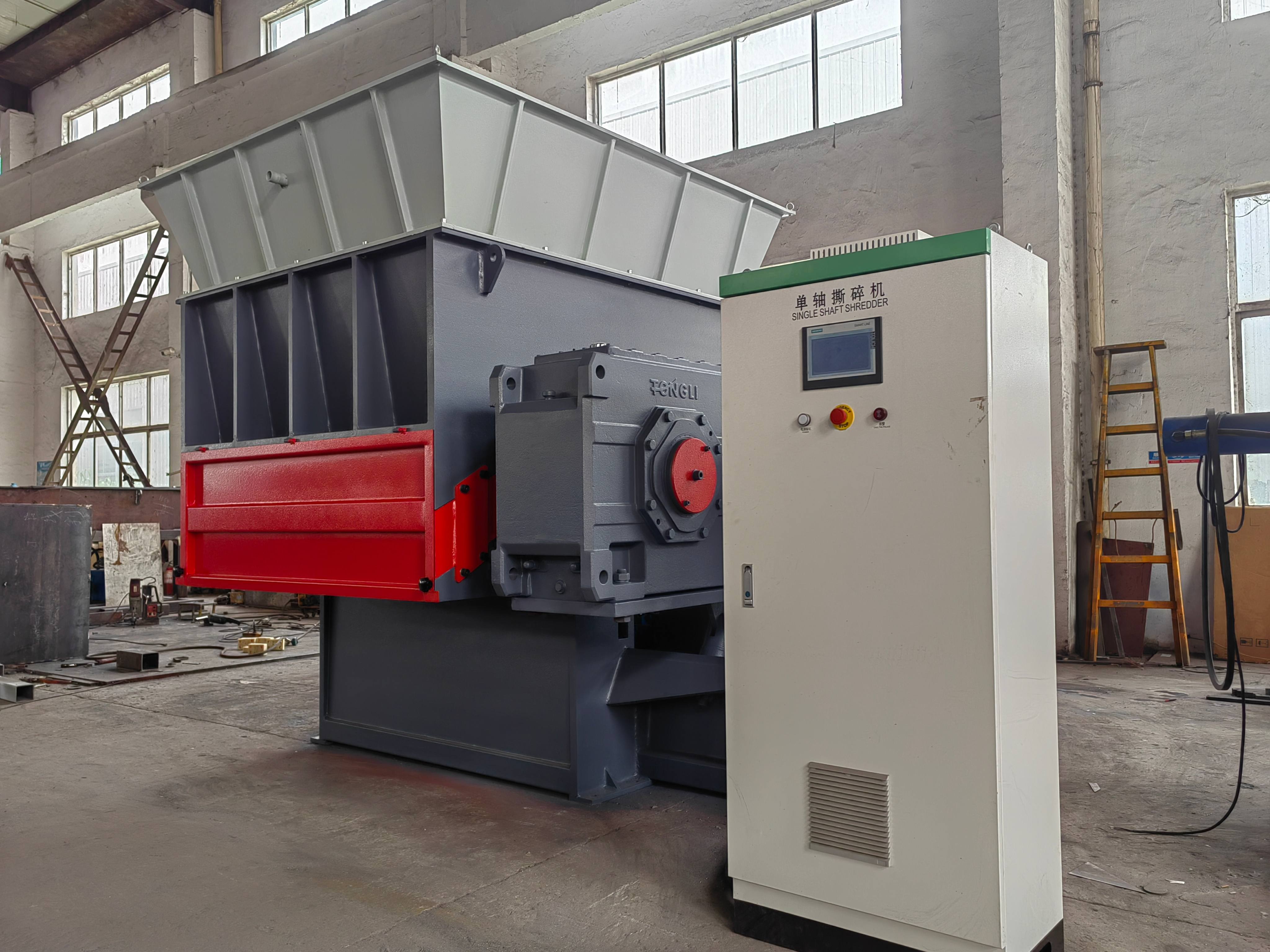
At the heart of many industrial recycling lines, single shaft shredders operate on a surprisingly straightforward yet highly effective principle: a robust, rotating shaft equipped with durable cutting blades systematically reduces materials into smaller, manageable pieces. These machines are often favored for their ability to handle a wide range of materials, from plastics and wood to rubber and textiles, thanks to their high torque and slow-speed operation. The shredding process begins as material is fed into the hopper, where it's gradually drawn toward the rotating shaft by hydraulic or mechanical forces, ensuring a controlled and consistent feed that prevents jamming and enhances efficiency.
What sets single shaft shredders apart is their adaptability and customization potential. Unlike some multi-shaft systems, the single shaft design allows for easy blade replacement and adjustment, enabling operators to fine-tune the machine for specific material types or desired output sizes. For instance, blades can be configured with different shapes, sizes, or spacings to optimize shredding for brittle plastics versus tough rubber, making these shredders particularly versatile in diverse applications. This flexibility not only improves performance but also extends the equipment's lifespan by reducing wear and tear through tailored operation.
In practice, the mechanics hinge on a combination of cutting, tearing, and shearing actions, which work together to break down materials without excessive energy consumption. The shaft's rotation, typically driven by a powerful electric motor, generates significant force that allows the blades to slice through even dense or entangled items. Moreover, many modern single shaft shredders incorporate smart features like overload protection and automated reverse functions, which help maintain smooth operation and minimize downtime. This blend of mechanical simplicity and advanced controls makes them a reliable choice for facilities seeking robust, low-maintenance shredding solutions that deliver consistent results day in and day out.
Selecting the Right Shredder Configuration for Material Types
Choosing the ideal shredder setup hinges on understanding the specific materials you need to process, as different items demand varying cutting mechanisms and capacities. Paper documents may handle well with cross-cut blades, while thicker loads like cardboard or CDs call for robust models to prevent jams and ensure smooth operation.
Consider factors like shred size, speed, and durability—lighter tasks might suit a home office shredder, but for industrial settings dealing with metals or plastics, a heavy-duty configuration with enhanced motors and safety features is essential to maintain efficiency and prolong machine life.
Ultimately, matching the shredder's specs to your material types not only boosts performance but also reduces wear and tear, making it a smart investment that adapts to everyday shredding needs without compromise.
Boosting Recycling Efficiency with Advanced Blade Technologies
Recycling processes have long faced significant challenges in efficiently handling materials like plastics and metals, but advanced blade technologies are now revolutionizing how we approach these tasks. Traditional blades often struggle with precision cutting and durability, leading to increased downtime and higher operational costs. In contrast, newly developed blades utilize specialized alloys and coatings that not only extend their lifespan but also enhance their ability to slice through complex materials without jamming or wearing out quickly.
These innovations don't just stop at material improvements; they incorporate smart design features such as optimized blade geometry and adaptive mechanisms that adjust to varying densities and compositions. For instance, in a recycling facility processing mixed electronics, blades can now automatically recalibrate to cut through circuit boards, wires, and casings more effectively, reducing contamination and boosting the purity of recovered resources. This adaptability means fewer sorting errors and a smoother flow in high-volume environments, directly translating to cost savings and environmental benefits.
Ultimately, the integration of these advanced blade systems into recycling workflows is setting new benchmarks for efficiency across industries. By minimizing waste and maximizing material recovery, companies are not only cutting down on landfill contributions but also fostering a more sustainable circular economy. As technology continues to evolve, we can expect even greater strides in making recycling faster, cleaner, and more economically viable for everyone involved.
Maintenance Best Practices for Long-Term Shredder Performance
To ensure your shredder operates efficiently for years, a proactive maintenance routine is crucial. This involves regular cleaning to prevent dust and debris buildup that can clog mechanisms or cause overheating. Wiping down cutting blades with a soft cloth and removing paper remnants after each use helps maintain smooth operation and reduces wear on key components.
Periodic lubrication is another essential step for long-term performance. Using manufacturer-recommended oil on designated parts keeps moving elements running quietly and prevents friction-induced damage. Check your user manual for specific guidelines to avoid over-lubricating, which might attract more dirt, and aim to do this every few months based on usage frequency.
Lastly, consider scheduling professional inspections annually to catch hidden issues early. A technician can assess the shredder's overall health, sharpen blades if needed, and ensure all safety features are functional, ultimately extending the device's lifespan and preventing costly repairs down the line.
Integrating Shredders into Comprehensive Waste Management Systems
When we think about waste management, shredders often play a crucial but understated role, seamlessly blending into larger systems that aim for sustainability. By breaking down bulky materials like cardboard, plastics, and organic waste into smaller, more manageable pieces, shredders not only reduce volume but also enhance the efficiency of subsequent processes such as recycling, composting, or energy recovery. This integration allows facilities to optimize space, cut down on transportation costs, and minimize environmental impact, making shredders a silent yet powerful ally in the fight against waste accumulation.
What sets this approach apart is how shredders adapt to diverse waste streams, from industrial scraps to household refuse, ensuring that nothing goes to waste. Unlike standalone solutions, integrated systems leverage shredders to pre-treat materials before they enter sorting lines or processing units, improving separation accuracy and reducing contamination. This thoughtful coordination between shredding and other components, like compactors or balers, creates a cohesive workflow that maximizes resource recovery and minimizes landfill dependency, showcasing innovation in practical, everyday applications.
Beyond the technical aspects, integrating shredders fosters a holistic view of waste as a valuable resource rather than mere disposal. It supports circular economies by enabling materials to be reused or repurposed more effectively, turning what was once trash into new products or energy sources. By embedding shredders into comprehensive strategies, businesses and communities can achieve greater resilience, adaptability, and long-term sustainability, proving that small, focused interventions can drive significant, positive change in our environmental footprint.
Innovative Applications Beyond Traditional Recycling Scopes
Innovative Applications Beyond Traditional Recycling Scopes are pushing the boundaries of what we once considered waste management. These novel approaches are turning discarded materials into valuable resources for industries that rarely intersect with conventional recycling. For instance, old electronics are now being repurposed in creative ways, like using circuit board components in art installations or transforming plastic casings into durable building materials. This shift not only reduces landfill waste but also sparks new economic opportunities and fosters cross-sector collaboration.
One standout example is the growing trend of upcycling textiles into high-performance fabrics for athletic wear. By breaking down and re-engineering fibers from used clothing, companies are crafting moisture-wicking and breathable garments that rival traditional synthetics. This process goes beyond the typical sorting and melting seen in textile recycling, adding value through advanced chemical treatments and innovative weaving techniques. It's a fresh take that addresses both environmental concerns and consumer demand for sustainable fashion without compromising on quality.
Beyond materials, there's a wave of digital innovation repurposing data center heat or converting food waste into bio-products for agriculture. These applications stretch the concept of recycling into energy and biological realms, creating closed-loop systems that minimize resource extraction. By thinking outside the box, these initiatives not only tackle waste challenges but also inspire communities to see refuse as a starting point for innovation rather than an endpoint.
FAQ
A single shaft shredder utilizes a single rotating shaft with knives attached to break down materials like plastics, wood, or waste, offering precise cutting and high torque for tough processing tasks, unlike dual-shaft models that may rely on intermeshing shafts.
It excels in recycling due to its ability to handle bulky and irregular materials efficiently, reducing them to uniform sizes that are easier to sort and further process, thus enhancing overall recycling workflow and output quality.
This shredder can process a wide range of materials, including rigid plastics, rubber, electronic waste, light metals, and organic matter like wood, making it versatile for various industrial and recycling settings.
Its design features a robust, slow-rotating shaft with custom knife configurations, which minimizes energy consumption while maximizing cutting power and reducing wear, leading to consistent performance and lower maintenance needs.
Regularly inspect and sharpen knives, check for material buildup, lubricate moving parts as per manufacturer guidelines, and monitor for unusual noises or vibrations to prevent breakdowns and extend the machine's operational life.
Yes, it often allows for customization through adjustable knife settings, different screen sizes for output control, and optional features like hydraulic systems or specialized blades to tailor it for specific materials or throughput requirements.
Conclusion
Single shaft shredders stand as cornerstones in modern material processing and recycling, offering robust solutions for reducing diverse materials to manageable sizes. Understanding their core mechanics reveals how a single rotating shaft equipped with durable blades effectively cuts through everything from plastics and wood to electronic waste, relying on torque and controlled feed rates for consistent output. Selecting the right configuration is crucial—factors like material type, desired particle size, and throughput requirements dictate choices in blade design, motor power, and shredder size, ensuring optimal performance for specific applications from industrial scrap to municipal recycling.
Advanced blade technologies, such as reversible or hardened steel blades, significantly boost recycling efficiency by minimizing downtime and enhancing cut precision, while regular maintenance practices, including blade sharpening and bearing checks, extend equipment lifespan and reliability. Integrating these shredders into comprehensive waste management systems allows for seamless material flow, supporting circular economy goals by preparing materials for further processing or repurposing. Beyond traditional recycling, innovative applications emerge in sectors like biomass processing, automotive dismantling, and even art installations, showcasing the shredder's versatility in transforming waste into valuable resources and driving sustainability forward.
Contact Us
Contact Person: Leon
Email: [email protected]
Tel/WhatsApp: 8615385558866
Website: https://www.shred-waste.com