
RFID Label Manufacturing Concerns: What You Need to Know
2026-05-08
RFID label manufacturing is a delicate balance of technology and precision. Even minor oversights can compromise read range, durability, or data integrity. As demand for smart labels grows, so do the risks of cutting corners. Before your next order, get the inside scoop on common production pitfalls and how OSRFID ensures flawless results every time.
Material Choices That Make or Break RFID Tags
The substrate you choose does more than just hold things together—it fundamentally shapes how the tag communicates. A thin, flexible PET might work perfectly for a retail hangtag, but toss that same design onto a metal returnable container and it becomes nearly invisible to the reader. Why? Because metals reflect and detune the antenna, while some plastics can absorb moisture and cause frequency drift. Smart material selection means matching the dielectric properties of the substrate with the environment the tag will live in, preventing signal loss before it ever happens.
Beyond the base layer, the antenna material is where performance lives or dies. Etched aluminum dominates high-volume applications for its cost-to-conductivity balance, but when you need to survive autoclave sterilization or resist corrosive chemicals, silver inks or even copper become necessary. Each comes with trade-offs: aluminum can crack under repeated flexing, silver’s adhesion challenges can lead to delamination, and copper, while incredibly conductive, adds weight and oxidation risks. The art lies in knowing when a slight drop in read range is acceptable if it means a tag that won’t physically fail after a thousand cycles.
Often overlooked, the bonding layer and protective covering make the final call on durability. A pressure-sensitive adhesive that holds strong on cardboard might shear away from a textured plastic surface, while a heat-activated bond could warp delicate items. For outdoor or industrial tags, UV-stabilized polyurethane overcoats beat cheaper acrylics that yellow and crack. Even the face stock matters—a glossy surface might look premium but can scatter the RF beam, whereas a matte finish provides more consistent reads. In the end, the difference between a tag that becomes a liability and one that performs invisibly for years often sits in these micro-decisions about materials that never appear on a standard datasheet.
Why Tag Durability Matters More Than You Think
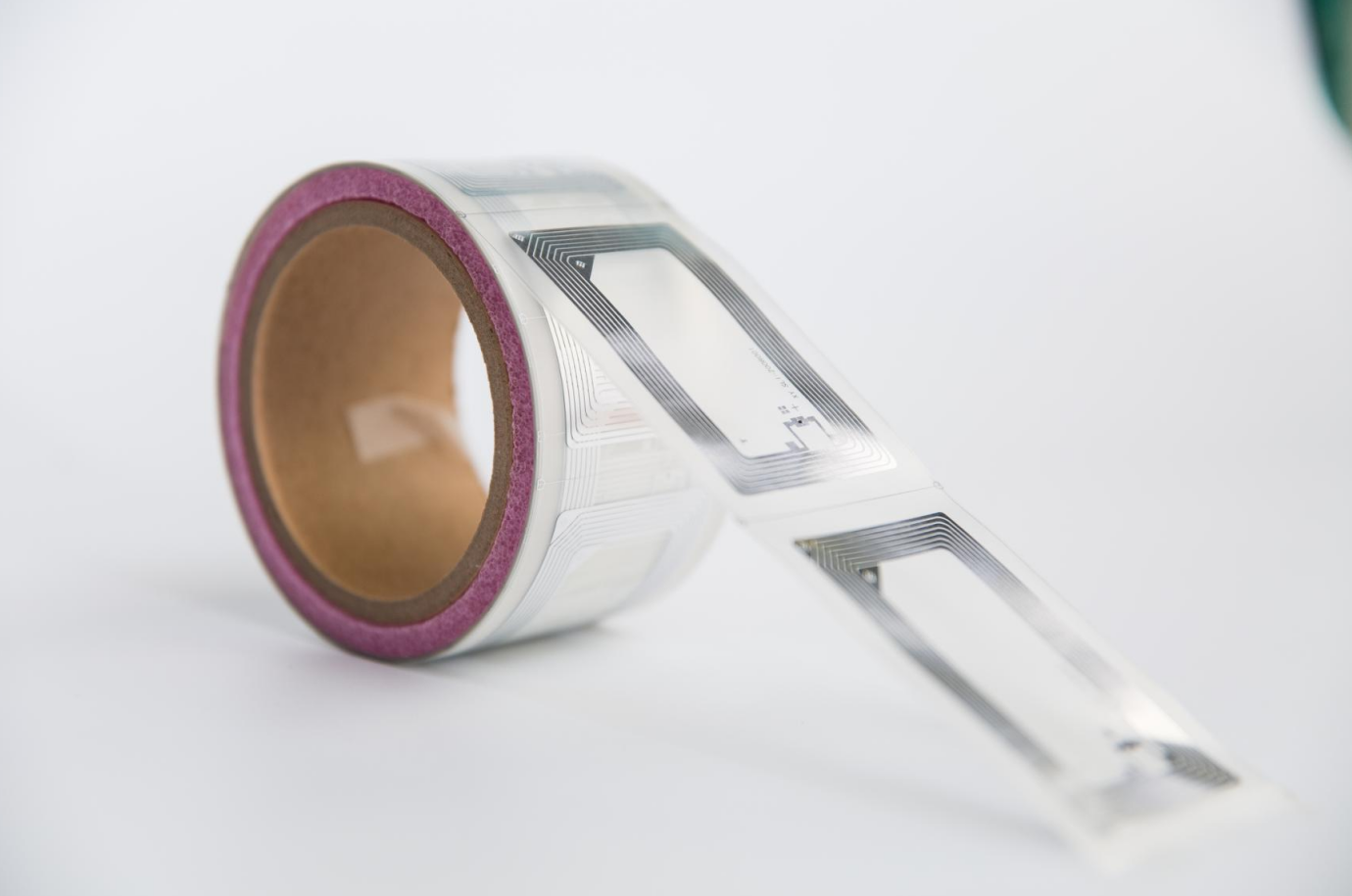
A flimsy tag that fades or tears within weeks doesn’t just look bad—it undermines trust. When a customer picks up a product and the label is already peeling, they immediately question the quality of what’s inside. It’s a silent signal that corners were cut, and that perception can ripple outward, affecting how they view your entire brand.
Beyond first impressions, durability has real-world consequences. Tags that can’t withstand moisture, abrasion, or temperature swings often become illegible, erasing crucial information like care instructions or safety warnings. In industries like healthcare or food packaging, this isn’t just inconvenient—it’s dangerous. A tag that survives the journey from warehouse to end user does more than inform; it protects.
There’s also a hidden cost in replacement. When tags fail early, businesses face more reprints, more labor, and more waste—not to mention the environmental toll. Durable tagging isn’t a luxury; it’s a quiet investment in reliability that pays off in customer confidence and operational efficiency.
Hidden Costs in RFID Label Production
When manufacturers calculate RFID label production costs, they tend to focus on visible inputs such as raw chips and substrates. Yet a significant portion of the budget gets swallowed by less obvious factors. Conductive adhesives and specialized inks degrade faster in humid environments, forcing unexpected material waste and urgent reorders. Handling minuscule transponders demands controlled conditions that drive up facility overheads far beyond initial projections.
Equipment calibration hides another layer of expense. High-frequency bonding machines require constant fine-tuning; even minor misalignments can ruin entire batches, turning what looked like a profitable run into a net loss. The invisible time drain is equally damaging—technicians often spend hours diagnosing intermittent faults that never appear in standard cost sheets. Custom form factors compound this, as every changeover between tag designs demands extended downtime and recalibration that linear pricing models ignore.
Beyond the factory floor, intellectual property royalties and compliance testing quietly inflate unit costs. Many RFID designs incorporate patented coupling mechanisms, and licensing fees accumulate per tag rather than as a one-off expense. Certifying tags against evolving industry standards requires iterative lab tests, and a single failed certification cycle can delay an entire production lot, consuming working capital. These overlooked financial leakages collectively reshape the true economics of RFID label manufacturing.
Customization Pitfalls to Avoid
Over-customizing a product often leads to decision paralysis. When users face too many options, from colors to intricate features, the excitement quickly turns into frustration. It's like walking into a restaurant with a twenty-page menu—you end up wishing you'd just stayed home. Keeping choices limited not only speeds up the process but also makes the final outcome feel more curated.
Another trap is assuming that what works for one audience will automatically delight another. Customization isn't one-size-fits-all; cultural preferences, technical literacy, and local trends dramatically shape what people actually want to tweak. Skipping research in favor of a generic set of options usually results in a feature that sits unused, adding clutter instead of value.
Many brands also underestimate the maintenance burden. Customization engines aren't set-and-forget. Without regular updates, the choices become stale, and compatibility issues creep in over time. It's the kind of slow decay that erodes user trust—people notice when their personalized dashboard starts breaking every other week.
Environmental Factors Affecting Tag Performance
Extreme temperatures can quietly dismantle a tag's reliability. When the mercury climbs, adhesives soften and components may drift out of spec, while freezing conditions make materials brittle and prone to stress fractures. It's not just about failure—thermal cycling often rewrites the tag's expected lifespan without any visible warning.
Moisture and chemical contact are equally unforgiving. High humidity can seep into casings, corroding antenna connections or swelling substrates until the chip inside loses its electrical foothold. Even routine industrial solvents or salt spray can erode a tag's protective layers, turning a once-crisp signal into a garbled mess.
Ensuring Consistency in Mass Manufacturing
When you're producing thousands of identical parts a day, even the smallest drift in a process can cascade into a wave of rejects. That's why consistency isn't just about tight tolerances on a drawing—it's about building a system where every variable, from material lot to tool wear, is continuously monitored and adjusted. We focus on real-time data streams that flag deviations before they become defects, so the line never drifts out of spec without someone knowing exactly when and why.
A major piece of the puzzle is process standardization that doesn't suffocate flexibility. Instead of rigid one-size-fits-all work instructions, we embed decision trees directly into operator workflows, guided by sensor feedback. This way, when a machine begins to show early signs of drift, the operator gets a clear, non-disruptive nudge to recalibrate rather than a vague alert that gets ignored. It turns consistency from a compliance headache into a natural rhythm of production.
Finally, no amount of in-line checks replaces a culture that owns quality at every station. We've seen lines transform when teams start tracking their own micro-KPIs—like cycle-to-cycle variation or first-pass yield per shift—instead of waiting for a batch audit. When that data is transparent and discussed in daily stand-ups, consistency becomes a shared language, not an elusive goal.
FAQ
Misaligned antenna layers and poor chip bonding are frequent culprits. If the conductive ink isn't cured properly or the chip isn't attached with precise pressure and heat, you'll see intermittent reads or complete failure. Even slight variations in the substrate thickness can throw off the antenna’s impedance matching.
It's a balancing act. Polyester and polyimide substrates hold up well against chemicals and high temperatures, but they cost more. For outdoor use, you need UV-resistant adhesives and encapsulation. Using the wrong face stock leads to cracking or delamination within months, especially if the label flexes repeatedly.
The antenna is everything when it comes to read range and sensitivity. Screen printing with silver ink is common, but if the ink's viscosity fluctuates or the mesh wears down, you get uneven traces. That directly shifts the resonant frequency, and suddenly your tag only works at half the expected distance.
Those tiny silicon chips are incredibly sensitive. A discharge you can't even feel can fry the input circuit. Manufacturers have to install ionizers, grounding straps, and conductive flooring throughout the assembly area. One overlooked detail, and you might scrap an entire batch without realizing why.
In-line RF testing is the bare minimum. Good manufacturers also do sample cross-sectioning to verify layer alignment under a microscope, and they run accelerated aging tests—exposing samples to humidity, heat cycles, and UV light. Without those, you're just guessing about field durability.
If the chip module sits right under a barcode or gets creased when the label is peeled, that's a problem. The converting process needs to account for the chip topography to prevent damage during die-cutting. Plus, the orientation relative to the web matters for later application machinery—some readers align linearly, so a 90-degree twist can kill reads.
Ask for the yield data, not just marketing claims. A reliable partner will have documented statistical process control for each critical parameter like bond strength, read distance, and dimensional tolerance. Also watch for ISO 9001 or similar certifications that actually translate to in-line inspection checkpoints, not just paperwork.
Conclusion
The materials you pick make or break an RFID label—get the substrate or conductive ink wrong, and you’re signing up for read failures and early failure in the field. Durability goes way beyond drop survival; moisture, chemical exposure, and wide temperature swings chew through tags in real logistics, often only surfacing as returns spike. The real pain comes later, from hidden costs that nobody budgeted for: premium materials squeeze margins, while cutting corners leads to scrap rates and rework that eat away any initial savings. Testing early and thoroughly isn’t optional if you want reliability without surprises.
Customization sounds great until it wrecks your schedule—brands want unique shapes or odd adhesives but rarely grasp the RF headache it creates, and last-minute changes ripple through production. Environmental curveballs add to the mess; metal proximity, humidity, or stray chemicals can silently knock a proven design offline. In mass manufacturing, tiny inconsistencies in antenna printing or bonding pressure snowball into massive yield problems, so staying proactive with inline monitoring and stress screening isn’t overkill—it’s how you ensure every single label performs the way it should.
Contact Us
Contact Person: Esme Mo
Email: [email protected]
Tel/WhatsApp: 0086 191 2931 7837
Website: https://www.osrfidglobal.com/