
Q235B Solar Steel Excellence: Selecting the Ideal Manufacturer for Your Project
2026-01-29
Embarking on a solar project involves crucial decisions, and one of the most pivotal is choosing the right steel to support it. Energet Solar knows that excellence in solar steel, such as Q235B, can make or break your installation's durability and performance. But how do you navigate the myriad of manufacturers vying for your attention? This blog dives deep into what sets top-tier Q235B steel apart and why partnering with the ideal manufacturer is key to unlocking long-term energy savings and project success. Let's explore the factors that will help you select a partner who aligns with your vision and ensures your solar infrastructure stands the test of time.
Key Factors in Choosing Q235B Solar Steel Manufacturers
When selecting a Q235B solar steel manufacturer, it's crucial to look beyond just the steel grade itself. This mild carbon steel, widely used in solar panel mounting structures for its good weldability and strength, requires a manufacturer with a proven track record in the solar industry. Consider their experience with projects similar to yours—whether it's large-scale solar farms or residential installations—to ensure they understand the specific demands, such as corrosion resistance for outdoor use and precision in fabrication for easy assembly. A manufacturer that regularly supplies to solar projects will likely have optimized processes and quality control measures tailored to these applications.
Quality certifications and testing protocols are another vital aspect to scrutinize. Look for manufacturers that adhere to international standards like ISO 9001 for quality management, and specifically, certifications relevant to steel production and solar applications. Ask about their in-house testing for mechanical properties, such as yield strength and tensile strength, as well as surface treatments like galvanization or painting to enhance durability against environmental factors. A transparent manufacturer will provide detailed reports and samples, allowing you to verify that the Q235B steel meets both your specifications and industry benchmarks for long-term performance in solar systems.
Finally, evaluate the manufacturer's logistical capabilities and customer support. Solar projects often have tight timelines and require just-in-time delivery to avoid delays on-site. Check if they offer flexible production scheduling, reliable shipping options, and responsive communication channels. Manufacturers that go the extra mile by providing technical assistance, custom fabrication, or after-sales support can make a significant difference in project efficiency and overall satisfaction. By balancing these factors—industry experience, quality assurance, and service excellence—you'll find a reliable partner for your solar steel needs.
Assessing Quality Standards and Certifications for Durability
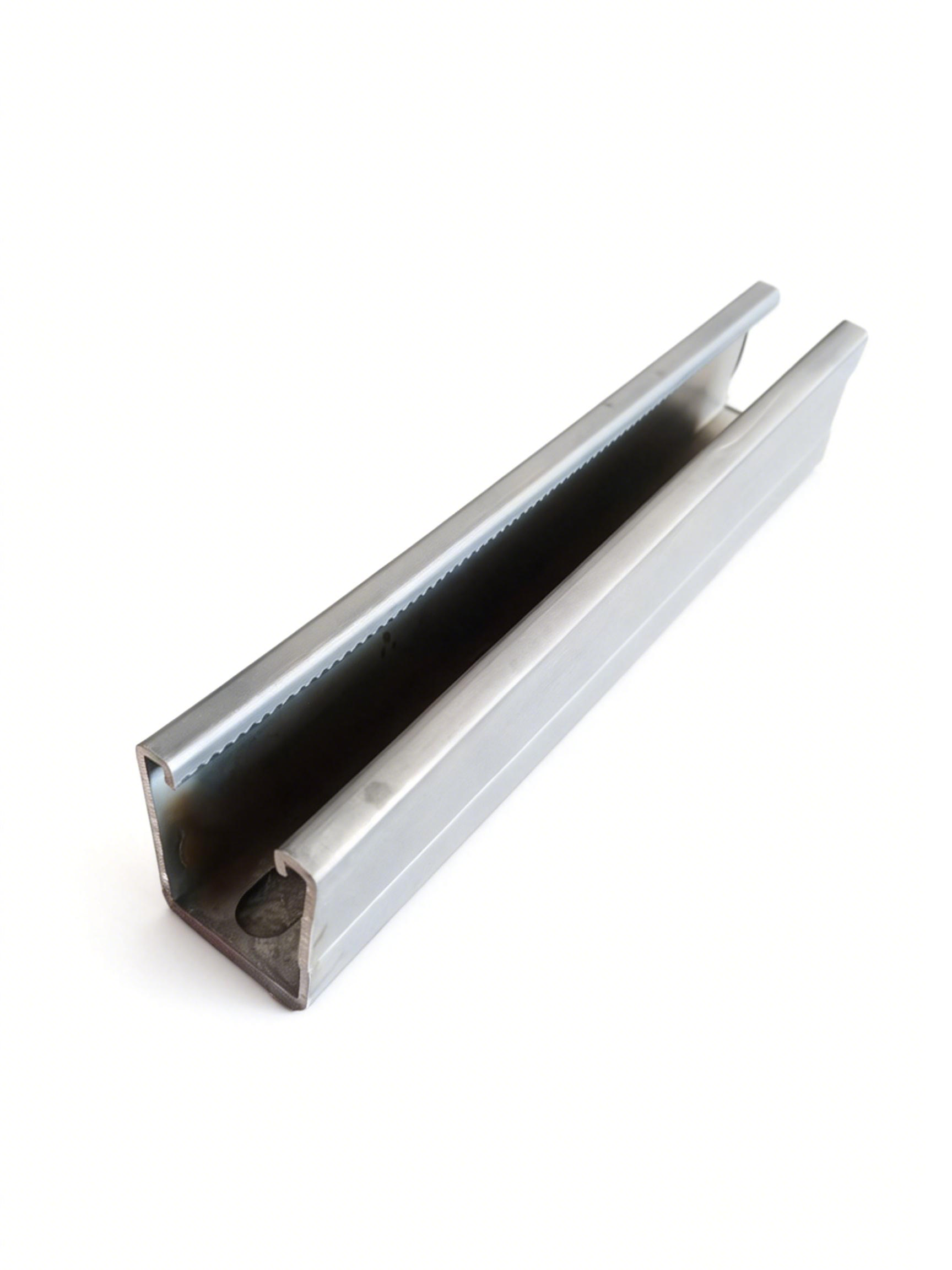
When evaluating quality standards and certifications for durability, it's not just about ticking boxes on a checklist. Real-world performance hinges on how these standards translate into everyday use. For instance, a product might meet all industry benchmarks on paper yet fail under specific environmental conditions or repeated stress. That's why savvy consumers and businesses look beyond mere compliance to seek out certifications that involve rigorous long-term testing, such as those simulating years of wear and tear in accelerated labs. These deeper validations offer a clearer picture of whether a product will stand the test of time, reducing the risk of premature failures and costly replacements.
Another key aspect often overlooked is the context in which durability matters. A certification might guarantee resilience in one setting but fall short in another. For example, a material certified for indoor use may degrade quickly outdoors due to UV exposure or moisture. This highlights the need to match certifications to the intended application. Leading-edge standards now incorporate scenario-based assessments, evaluating how products perform under varied stressors like temperature fluctuations, mechanical impacts, or chemical exposure. By focusing on these tailored criteria, you can ensure that durability isn't just a generic claim but a targeted assurance aligned with your specific needs.
Moreover, the evolution of sustainability has reshaped durability standards. Modern certifications increasingly blend longevity with environmental factors, promoting products that last longer while minimizing resource use. Look for programs that assess lifecycle durability—from raw material sourcing to end-of-life disposal. This holistic approach not only boosts product lifespan but also supports circular economy goals, making durability a win-win for both performance and planet. In a crowded market, such integrated standards help differentiate truly robust offerings from those making superficial claims.
Comparing Pricing and Value for Solar Project Budgets
When you're digging into solar project budgets, it's easy to get sidetracked by upfront costs, but the real story unfolds when you compare pricing alongside long-term value. For instance, a slightly pricier system with high-efficiency panels might save you more over decades than a budget option that loses steam in five years. Look beyond the initial quote—consider factors like installation quality, warranty coverage, and energy output projections. This approach ensures your investment doesn't just look good on paper but delivers tangible returns, balancing immediate expenses with future savings.
Value here isn't just about dollars saved; it's also about reliability and resilience. Cheaper installations might cut corners, leading to frequent maintenance issues or underperformance in cloudy weather, which could eat into those promised savings. By prioritizing robust components and expert installation, you're essentially buying peace of mind—knowing your system can withstand the elements and keep generating power efficiently. This long-haul perspective often reveals that paying a bit more upfront translates to fewer headaches and better overall value down the line, making your budget work harder for you.
To stand out from generic comparisons, focus on the unique aspects of your project. Are there local incentives or tax breaks that impact the overall cost? How does your energy usage pattern align with the system's design? Personalizing these details helps avoid cookie-cutter advice and tailors the budget to your specific needs. Remember, a solar project isn't a one-size-fits-all expense; it's a custom solution where smart spending on quality today can lock in decades of sustainable energy and financial benefits.
Evaluating Manufacturer Experience and Track Record
When selecting a manufacturing partner, diving into their experience and track record is more than a routine check—it's about uncovering the story behind their operations. Look for evidence of long-term client relationships, which often signal reliability and consistent quality. Don't just skim the surface; request case studies or project portfolios that showcase their work in your specific sector or with similar product types.
A robust track record isn't just measured by years in business but by adaptability and innovation. Evaluate how the manufacturer has navigated industry shifts, such as technological upgrades or sustainability initiatives, which can highlight their commitment to growth and excellence. Client testimonials and industry awards can provide valuable insights into their reputation and problem-solving capabilities.
Ultimately, this evaluation helps mitigate risks and ensures a smoother collaboration, as experienced manufacturers are better equipped to handle challenges and deliver on promises, making it a critical step in your decision-making process.
Importance of Supply Chain Reliability and Timely Delivery
Supply chain reliability isn't just about getting goods from point A to point B—it's the backbone of customer trust and business sustainability. When deliveries arrive on time, consistently, it reassures clients that they can depend on you, turning one-time buyers into loyal advocates. This reliability reduces costly disruptions, like stockouts that drive customers to competitors, and strengthens your reputation in a crowded market.
Timely delivery goes beyond meeting deadlines; it's a strategic advantage that sets companies apart. In today's fast-paced economy, delays can ripple through operations, affecting everything from production schedules to revenue streams. By prioritizing punctuality, businesses not only enhance operational efficiency but also foster stronger partnerships with suppliers and clients, creating a resilient network that thrives under pressure.
Investing in reliable supply chains pays dividends in customer satisfaction and long-term growth. When deliveries are predictable, it allows for better planning and resource allocation, minimizing waste and maximizing profits. This focus on timeliness can differentiate your brand, making it a preferred choice for those who value consistency and professionalism in every transaction.
Innovations and Sustainability Practices in Steel Production
The steel industry, long notorious for its environmental impact, is undergoing a remarkable transformation driven by cutting-edge innovations and a strong commitment to sustainability. One of the most exciting developments is the rise of hydrogen-based steelmaking, which replaces carbon-intensive coking coal with clean hydrogen as a reducing agent. This approach promises to slash CO₂ emissions dramatically, potentially achieving near-zero carbon output in the production process. Companies are already piloting these technologies, with projects like HYBRIT in Sweden making headlines for their groundbreaking work.
Beyond hydrogen, there's a surge in circular economy practices that are redefining how steel plants operate. For instance, the use of electric arc furnaces (EAFs) is gaining popularity as they allow for large-scale recycling of scrap steel, consuming significantly less energy and raw materials compared to traditional blast furnaces. Innovations in slag management, where waste products are repurposed for construction materials or agricultural uses, further minimize landfill contributions. It's not just about reducing harm—these methods are enhancing resource efficiency and creating new revenue streams for producers.
Additionally, digitalization and smart technologies are playing a pivotal role in boosting sustainability. Advanced sensors and AI-driven analytics enable real-time monitoring of energy consumption and emissions, optimizing operations to cut waste and improve yield. Companies are also investing in carbon capture and storage (CCS) systems, though challenges remain in scaling these solutions cost-effectively. These combined efforts are not only meeting stricter environmental regulations but are also positioning the steel sector as a leader in the global transition to a greener economy.
FAQ
Q235B solar steel offers a balanced combination of strength, durability, and corrosion resistance, which is essential for supporting solar panels in various environmental conditions.
Look for manufacturers with certifications like ISO 9001, proven track records in renewable energy projects, and positive client testimonials to ensure consistent quality and service.
Consider not only the base cost but also factors like material quality, delivery timelines, after-sales support, and any additional processing services offered.
Yes, many manufacturers provide customization options in terms of dimensions, coatings, or finishes to meet unique structural needs in solar installations.
Challenges include supply chain delays and quality inconsistencies; mitigate these by ordering in advance, conducting on-site inspections, and maintaining open communication with suppliers.
Choosing a reputable manufacturer ensures timely delivery, high-quality materials, and technical support, which reduces downtime and enhances the long-term performance of solar systems.
Conclusion
Selecting the ideal manufacturer for Q235B solar steel involves evaluating key factors like quality standards, certifications, and the manufacturer's experience and track record. These elements ensure durability and reliability in solar projects, as certifications confirm adherence to industry benchmarks, while a proven history in steel production indicates consistent performance. Additionally, assessing pricing relative to value helps balance budget constraints with long-term benefits, avoiding compromises on material integrity. By prioritizing these aspects, project stakeholders can secure high-quality steel that withstands environmental stresses and supports efficient energy generation.
Beyond initial selection, consider supply chain reliability and innovations in sustainability practices. Reliable delivery schedules prevent project delays, crucial for meeting timelines and minimizing costs. Meanwhile, manufacturers embracing eco-friendly production methods, such as reduced carbon emissions or recycled materials, contribute to overall sustainability goals. Integrating these factors—experience, quality, pricing, supply chain stability, and green initiatives—ensures a comprehensive approach to choosing a manufacturer. This holistic evaluation not only enhances project success but also aligns with modern demands for durable, cost-effective, and environmentally responsible solar steel solutions.
Contact Us
Contact Person: Simon
Email: [email protected]
Tel/WhatsApp: 8613672181100
Website: https://energetsolar.com/