Polyethylene Glycol: A Substantial Compound for Medical and Industrial Use
2026-07-30
You've probably encountered polyethylene glycol without realizing it—from the soothing creams on your skin to the advanced industrial processes that keep machinery running smoothly. But what makes this unassuming polymer so versatile? As a cornerstone of modern formulations, PEG plays a pivotal role across medicine and manufacturing. Yet, not all sources deliver the same purity and consistency. That's where HAISEN changes the game, setting a benchmark that demanding industries can actually rely on. In this post, we’ll unpack why polyethylene glycol matters and how choosing the right partner can redefine your results.
Unraveling the Molecular Backbone of PEG
Polyethylene glycol (PEG) might appear simple at first glance, but its backbone tells a story of repetitive ether linkages that give the polymer its signature flexibility and hydrophilicity. The chain is built from -CH2-CH2-O- units, a structure that elegantly balances polar oxygen atoms with non-polar ethylene segments. This arrangement allows PEG to dissolve readily in water and many organic solvents, while also providing a surprisingly inert scaffold that resists protein adsorption and cellular recognition—a property that has made it indispensable in biomedical stealth applications.
Zooming in on the backbone’s dynamics, the carbon-oxygen bonds exhibit a low rotational energy barrier, enabling rapid segmental motion even at room temperature. This mobility contributes to the polymer’s low glass transition temperature and its ability to remain fluid in biological environments. Unlike rigid biopolymers, PEG’s backbone acts more like a molecular spring, constantly sampling countless conformations—a behavior that directly influences how the molecule interacts with solutes, surfaces, and other macromolecules.
At the synthetic level, the backbone emerges from ring-opening polymerization of ethylene oxide, a process that can be carefully controlled to yield chains of precise length and narrow dispersity. The absence of branching along the backbone preserves the polymer’s linear integrity, yet end groups can be functionalized without disrupting the core structure. This architectural simplicity belies a profound versatility: by tethering targeting ligands or drugs to the chain ends, scientists exploit the backbone’s inertness to create conjugates that circulate longer and evade immune clearance. The backbone, in essence, is both a passive carrier and an active mediator of biocompatibility.
Medical Breakthroughs Powered by Polyethylene Glycol
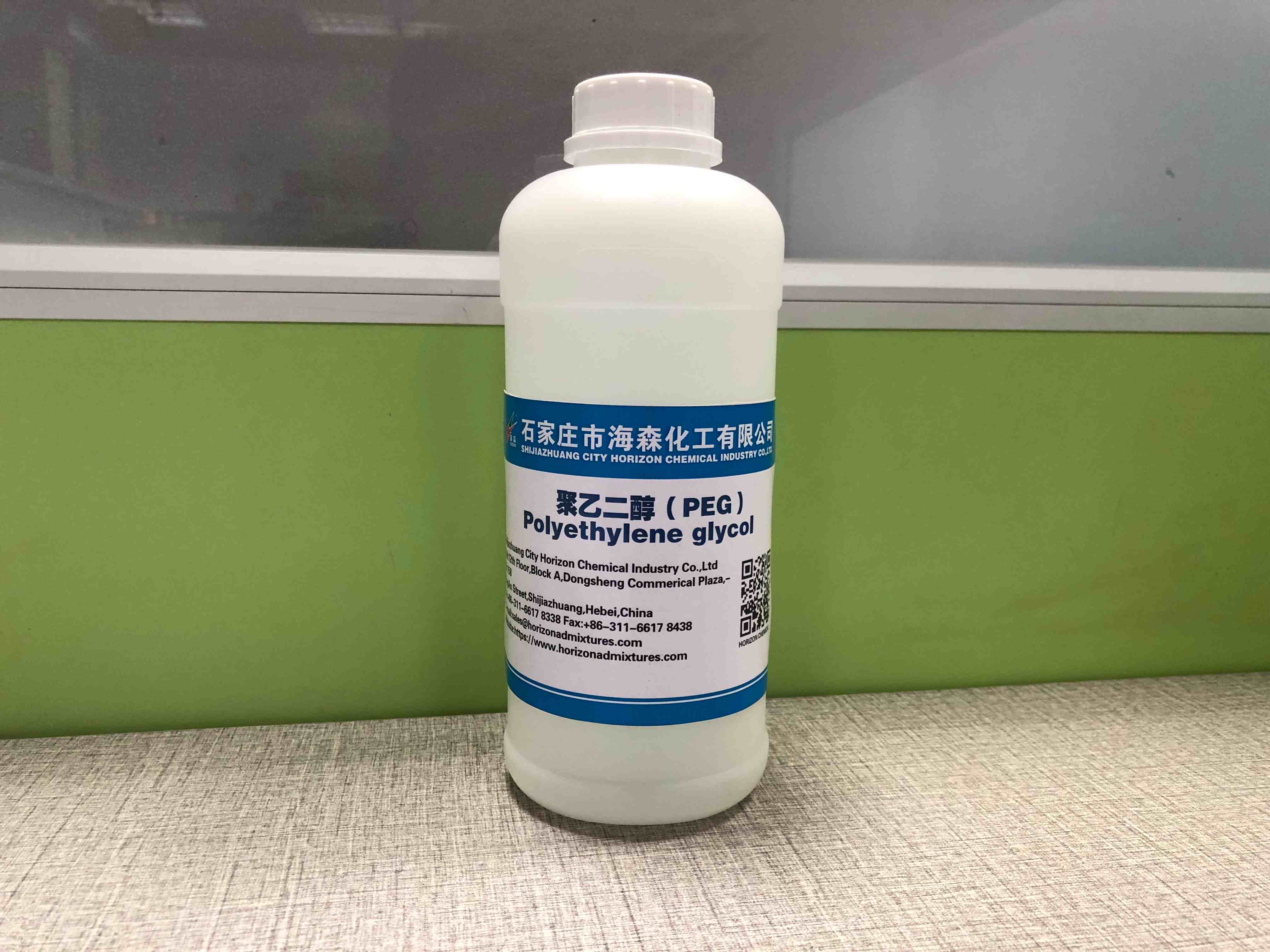
In the realm of modern medicine, polyethylene glycol (PEG) has emerged as a quiet hero, transforming drug delivery and therapeutic efficacy. By attaching PEG chains to therapeutic proteins or drug molecules—a process called PEGylation—scientists can shield these compounds from rapid degradation and immune recognition. This clever disguise extends the circulation time of drugs in the bloodstream, allowing for less frequent dosing and reduced toxicity. For patients, this means more convenient treatment schedules and often fewer side effects, turning once-daily injections into weekly or even monthly regimens.
Beyond extending half-life, PEG plays a pivotal role in cutting-edge therapies like mRNA vaccines. The lipid nanoparticles that encase fragile mRNA strands rely on PEGylated lipids to provide a stealth coating, preventing the particles from clumping together and evading the body’s defenses just long enough to deliver their genetic payload. This breakthrough not only enabled the rapid development of COVID-19 vaccines but is now being harnessed for personalized cancer vaccines and therapies against rare genetic disorders. The versatility of PEGylation continues to push boundaries, making it a cornerstone of nanomedicine.
Perhaps most exciting is the growing use of PEG in regenerative medicine. Hydrogels composed of PEG can be engineered to mimic the extracellular matrix, providing a supportive scaffold for stem cells to grow and differentiate. Researchers have used these bio-instructive gels to repair damaged cartilage, heal chronic wounds, and even create 3D-printed tissues for transplantation. With further refinement, PEG-based materials may one day eliminate organ donor shortages, offering hope to millions waiting for life-saving transplants.
The Industrial Might of Polyethylene Glycol
Polyethylene glycol’s quiet ubiquity masks its brute industrial force. From pharmaceutical manufacturing, where it acts as an excipient, solvent, and suppository base, to the heavy-duty world of lubricants and hydraulic fluids, PEG’s versatility is staggering. Its ability to span a vast range of molecular weights—liquid, paste, or solid—means one molecule can serve as a dispersant in textile dyeing, a mold release agent in plastics, and a binder in ceramic extrusion. Few compounds straddle so many sectors with such nonchalant effect.
Beyond these conventional roles, PEG tackles extreme environments with ease. In wood conservation, it replaces water in waterlogged artifacts, preventing shrinkage of centuries-old shipwrecks. Construction chemicals lean on it for concrete curing and dust control, while the energy sector deploys it as a heat transfer fluid and gas dehydration medium. This chemical isn’t just a lab curiosity; it’s a workhorse that keeps heavy industry flowing, drying, binding, and separating at scales that would buckle lesser materials.
The material’s might also lies in its customization. By tweaking chain length and end-group chemistry, manufacturers dial in properties like hygroscopicity, toxicity, and shear stability. That’s why you’ll find PEG in biorenewable lubricants that outperform petroleum-based predecessors, in nanoparticle drug delivery systems that evade the immune system, and in phase-change materials that buffer building temperatures. Industrial might, it turns out, is less about brute strength and more about adaptable intelligence—and polyethylene glycol has it in spades.
Why PEG's Molecular Weight Dictates Its Function
Polyethylene glycol (PEG) is a polymer whose behavior shifts dramatically as its chain length increases. At lower molecular weights, PEG acts like a simple solvent or plasticizer—small, mobile chains that blend easily with other materials. But as the molecular weight climbs, the chains entangle, and the polymer transforms into a structural component with distinct mechanical properties. This transition from small molecule to macromolecule is what makes PEG so versatile, but it also means that choosing the wrong molecular weight can turn a useful tool into a liability.
The molecular weight dictates how PEG interacts with water, which is central to many of its roles. Short PEG chains dissolve with ease, lowering surface tension and disrupting hydrogen-bond networks only gently. As the chains grow longer, they start to coil and trap water within their hydrodynamic volume, increasing viscosity and altering osmotic balance. In biomedical applications, this shift can determine whether PEGylated drugs evade the immune system or get flagged for clearance—a difference that hinges on a few thousand daltons.
Practical functionality also pivots on chain length. Think of PEG in drug delivery: a low-molecular-weight PEG might improve solubility but offer little shielding, while an ultra-high-molecular-weight variant could create steric barriers that prevent receptor binding. Similarly, in adhesives or coatings, PEG’s tack, crystallinity, and flexibility all trace back to how many ethylene oxide repeats are linked together. Getting the molecular weight right isn’t just a matter of optimization—it’s a prerequisite for matching the polymer to the problem it’s meant to solve.
Navigating the Safety Landscape of Polyethylene Glycol
Polyethylene glycol, or PEG, is woven into countless products we encounter daily—from pharmaceuticals and cosmetics to processed foods. Its safety profile is often taken for granted, yet it’s a terrain dotted with nuances. Most regulatory bodies consider PEG generally safe when used as intended, but the devil lies in the details. The molecular weight of PEG influences how it interacts with the body; low-molecular-weight variants can be absorbed systemically, while higher ones largely remain in the gut. This distinction matters because impurities like ethylene oxide and 1,4-dioxane, which are possible byproducts of manufacturing, have raised red flags over carcinogenic potential. Navigating this landscape means looking beyond the ingredient list to understand purity standards and the context of use.
In the realm of topical applications, PEG’s safety story shifts. It’s prized for its humectant properties in creams and ointments, but concerns surface around its ability to enhance skin permeability. When skin barriers are compromised, PEG can ferry unwanted substances deeper into the dermis. For most intact skin, however, it remains a benign workhorse. The conversation gets louder with PEG-based laxatives and bowel preps, where high doses draw water into the colon. While effective, they occasionally spark electrolyte imbalances or rare allergic reactions. Even trace amounts of PEG in injectable medications have been linked to anaphylaxis in sensitive individuals. The takeaway is that safety isn’t a blanket statement—it’s a sliding scale defined by exposure route, dose, and individual susceptibility.
Environmental safety is the shadow flank of PEG’s utility. Once washed down drains, these polymers are slow to biodegrade, raising questions about aquatic toxicity. While not acutely harmful, their persistence adds to the cumulative chemical burden on ecosystems. Scientists are exploring more sustainable synthesis methods, but for now, consumers and manufacturers alike are forced to weigh PEG’s functionality against its environmental footprint. The real challenge is balancing innovation with precaution—ensuring that what works for us today doesn’t quietly undercut tomorrow’s ecosystems. After all, truly navigating the safety landscape demands a view that extends from the molecular to the planetary.
Polyethylene Glycol: The Next Frontier in Science
Polyethylene glycol might not be a household name, but its quiet presence in everything from pharmaceuticals to cosmetics hints at a molecule with far more to offer. As researchers peel back its layers, PEG is emerging not just as a passive helper but as an active player in fields like targeted drug delivery, tissue engineering, and even sustainable materials. What makes it so intriguing is the combination of safety, tunability, and an almost chameleon-like ability to blend into biological systems without triggering immune responses—until we program it to do otherwise.
Recent breakthroughs are pushing PEG beyond simple solubilization. By tweaking its chain length and branching, scientists can now steer drugs directly to tumor sites, masking them from the body’s clearance mechanisms until they reach their target. Meanwhile, in regenerative medicine, PEG-based hydrogels are being designed to mimic the natural environment of cells, coaxing stem cells into repairing damaged tissue with unprecedented precision. These aren’t distant dreams; early clinical trials are already showing how engineered PEG scaffolds can accelerate wound healing and even restore function in compromised organs.
Perhaps most fascinating is how PEG is blurring the boundaries between synthetic and biological. Hybrid systems—part polymer, part protein—are opening doors to responsive materials that change shape or release cargo under specific physiological cues. Imagine an injectable gel that transforms into a structured implant only when it encounters the oxygen levels found in certain injuries, or a coating that repels bacteria until it senses an infection, then releases an antimicrobial. As we learn to harness its full potential, PEG is quietly becoming a cornerstone of a new era where materials think, adapt, and heal.
FAQ
Polyethylene glycol, or PEG, is a polyether compound created through the polymerization of ethylene oxide. It earns the “substantial” label because its structure can be readily tuned—ranging from low-viscosity liquids to waxy solids—giving it unmatched flexibility across medicine, manufacturing, and daily-use formulations.
Medically, PEG pulls duty as a reliable laxative for colonoscopy prep, a base for ointments and suppositories, and a stealth coating on drug-delivery nanoparticles that helps them evade the immune system. It’s also the backbone of many protein-based drugs, extending their circulation time in the body.
Industry exploits PEG as a mold-release agent, a humectant in printing inks, a lubricant in textile spinning, and a key component in ceramic binders. Its surface-wetting properties also make it a workhorse in paints, adhesives, and the formulation of water-based metalworking fluids.
Absolutely. Low molecular weight PEGs, like PEG 200–600, are clear liquids ideal as solvents or plasticizers. High molecular weight ones, above 3350, are solid waxes used as tablet binders, film formers, or even as substitutes for paraffin in cosmetics. The viscosity, solubility, and melting point shift dramatically with chain length.
For most people, PEG is considered low-risk and is listed as Generally Recognized As Safe by the FDA for many uses. The main concern centers on rare hypersensitivity reactions and, for very high doses in laxatives, the potential for electrolyte imbalance. Some more recent worries also involve traces of ethylene oxide from manufacturing, which regulators actively limit.
You’ll bump into PEG in toothpaste as a moisture retainer, in shampoo as a thickener, in skin creams as a softener, and even on the coating of dishwasher tablets to slow dissolution. It’s the hidden hand behind the smooth glide of many personal care products.
PEG’s ether backbone and terminal hydroxyl groups let it solvate a wide polarity range of drug molecules. By creating solid dispersions or acting as a co-solvent, it boosts the water solubility of poorly soluble drugs, helping them reach the bloodstream instead of just passing through the gut.
Researchers prize PEG for its bio-inert nature and the ease with which it can be chemically “decorated” to link with antibodies, peptides, or dyes. That versatility gave rise to PEGylation—attaching PEG chains to therapeutics—which shields them from rapid clearance and has turned fragile molecules into effective long-acting treatments.
Conclusion
Polyethylene glycol, commonly referred to as PEG, is a polymer whose versatility stems directly from its simple yet elegantly flexible molecular backbone. This chain of repeating ethylene oxide units can be precisely controlled during synthesis to yield molecules with molecular weights ranging from a few hundred to several thousand Daltons drift. It is this tuneable chain length that fundamentally dictates PEG's behavior, whether it dissolves readily in water to form viscous solutions or solidifies into a waxy material. The ability to tailor the polymer's size means researchers and engineers can dial in the exact solubility, melting point, and biocompatibility required for a given task, transforming a single chemical motif into a workhorse across both medicine and heavy industry. Without this intimate link between structure and function, PEG would remain an unremarkable laboratory curiosity rather than a mainstay of modern innovation.
In the clinic, PEGylation—the covalent attachment of PEG chains to therapeutic proteins or drug carriers—has revolutionized treatment by extending circulatory half-life and reducing immunogenicity, while lower-molecular-weight variants safely ease constipation and prepare patients for colonoscopies. The same principles translate seamlessly into factory settings, where PEGs act as lubricants, anti-static agents, and non-ionic surfactants in everything from textile production to paint formulations. Thorough toxicological evaluation has mapped its safety envelope, confirming that properly selected grades present minimal risk, and ongoing studies continue to refine exposure limits. Looking ahead, PEG's role is only expanding, with emerging research exploring stimuli-responsive PEG conjugates for targeted cancer therapy and biodegradable analogues that promise to reduce environmental persistence. Far from being a mature, static field, polyethylene glycol science is actively pushing into new frontiers, cementing its status as a truly substantial compound for both human health and global industry.
Contact Us
Contact Person: Sam Lee
Email: [email protected]
Tel/WhatsApp: 86-311-6617 8338
Website: https://www.horizonadmixtures.com/