
OEM Silicone Ice Molds That Instantly Upgrade Your Drinks
2026-11-26
Most ice trays are an afterthought—flimsy plastic, cloudy cubes, and zero personality. But the second a custom silicone ice mold hits your freezer, drinks stop being routine. Whether you're running a bar, building a brand, or just tired of diluted cocktails, the right OEM silicone ice molds turn frozen water into a design detail. Qunhao has been quietly helping brands ship molds that release cleanly, chill evenly, and make every glass feel intentional. Here's what to look for before your next order.
Ice That Looks Hand-Cut, Not Popped Out of a Plastic Tray
There’s a particular clarity that comes from a block of ice split by hand. The edges catch light unevenly, and each piece sits in the glass like it was made for that specific pour rather than pressed into service from a uniform grid.
The shape matters more than most people expect. A sharp corner here, a slightly thicker side there—those imperfections slow the melt and keep the drink colder without flooding it. It reads as deliberate, even when the only plan was to break something solid into something useful.
What you notice first is that the surface isn’t slick or identical from cube to cube. There are small fractures and smooth planes that come from a chisel or a pick, not from a silicone mold. That texture quietly changes how the drink feels, both in hand and on the palate.
Silicone Walls That Peel Away Without a Fight
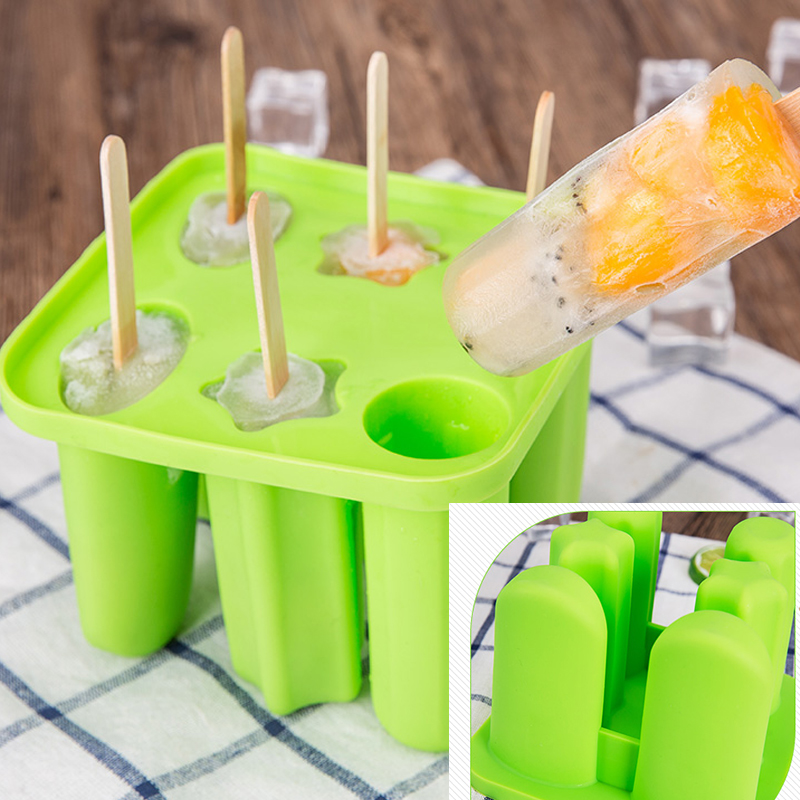
Most silicone wall coverings behave like they have signed a long-term lease. This one does not. A slow pull near a corner lifts the edge cleanly, leaving drywall, paint, and wallpaper exactly as they were. No heat gun, no scoring tool, no muttered apologies to the wall.
The difference comes down to how the surface tension is tuned for release instead of grip. Dust and grease still wipe off with a damp cloth during daily life, yet the material lets go when you deliberately ask it to. That balance makes temporary setups feel far less risky and far easier to live with.
Renters and serial rearrangers will notice the change right away. You can swap a whole accent wall between lunch and a video call, roll the sheet loosely for storage, and reuse it months later without losing that quiet, patient hold.
Slower Melting, So the Last Sip Tastes Like the First
The ice in your glass shouldn't rush through its job. When cubes vanish quickly, the final mouthful turns watery and weak, a disappointing echo of the first crisp pour. Slower melting changes that equation entirely. By holding its shape longer, the ice cools without flooding the drink, keeping the balance of spirit, sweetness, and bitterness intact from the first clink to the final drop.
This isn't just about temperature; it's about texture and pace. A denser, clearer cube surrenders cold gradually, letting you linger over the drink the way it was meant to be enjoyed. The last sip carries the same weight, the same layered finish, as the one that welcomed you. No rush, no dilution curve to chase—just a steady, even chill that respects every ounce in the glass.
Think of it as a quiet kind of craftsmanship. The best ice doesn't announce itself; it simply does the work without making a mess of your cocktail. Whether you're nursing a single malt or a slow old fashioned, the payoff is consistency. That final taste, still bold and fully present, becomes a small victory over the usual decline. Slower melting isn't a gimmick; it's the reason a good drink can end as well as it began.
Private-Label Molds That Carry Your Brand Past the Glass
A mold is never just a shape. It is the quiet signature of your brand, pressed into every curve and edge that a glassmaker touches. When the tooling carries your name rather than a generic off-the-shelf profile, the bottle stops being a container and starts behaving like a memory. The neck, the shoulder, the base—each line tells the same story before a single label is applied.
This approach works best when the mold itself is treated as a prototype for repetition. Slight variations in glass distribution or finish depth become part of the recipe, not flaws to be corrected later. A private-label mold lets you lock in a silhouette that no competitor can borrow from a catalog, and then let the craftsmanship show in the small inconsistencies that make each piece feel hand-finished rather than machine-perfect.
Beyond the shelf, the mold travels with you. Renovations, new packaging lines, seasonal releases—everything begins from that one carved negative space. It is not a one-time purchase but a lens through which future ideas are poured. The glass becomes an extension of the brand's private language, shaped long before the consumer reads a word.
From Espresso Tonic to Whiskey Neat, One Tray Handles Both
The jump from a tall, ice-filled espresso tonic to a low glass of whiskey neat seems like a mismatch until you watch them share the same tray. One drink sweats through a slim highball and leaves a widening puddle; the other sits heavy and quiet with no ice to wipe away. A well-designed tray absorbs that contrast instead of forcing you to switch accessories between rounds.
This tray keeps the wet zone and the dry zone from competing. A channeled surface catches condensation from the tonic glass while the neat whiskey glass rests on a flat, grippy edge that does not cling to fingerprints or make the glass ring against hard material. Because the rim is raised just enough, a stray cube or a spill from a topped-up tonic stays put rather than creeping toward the table.
Materials matter more than the shape alone. It avoids cork, which turns sour after repeated soaking, and bare metal, which amplifies sound and shows every drop. The finish handles both temperature swings and daily use without clouding, so moving from an afternoon espresso tonic to an evening whiskey neat feels less like switching drinks and more like changing pace.
Built to Outlast the Dishwasher’s Hottest Cycle
Most kitchen tools start showing their age after a few months of sanitize cycles. This one was designed from the first sketch to take the abuse. High-heat water, aggressive detergents, and the dry cycle don’t warp the body or dull the finish, because the materials were chosen specifically for those conditions.
The edges stay smooth, the joints stay tight, and the color doesn’t turn chalky after repeated exposure. Where lighter plastics soften and crack, the reinforced construction holds its shape, so you can run it on the hottest setting without pulling it out looking ten years older.
FAQ
They are made from flexible, food-grade silicone, so the ice pops out without cracking and the shapes stay sharp instead of turning into cloudy cubes.
Yes, OEM production allows custom shapes, colors, and even a subtle logo or monogram pressed into the ice itself.
Larger or more detailed ice melts slower and looks deliberate, so even a basic glass of whiskey or iced coffee feels more polished.
Most are top-rack dishwasher safe, but a quick rinse with warm soapy water is usually enough because silicone does not hold onto odors.
No, quality food-grade silicone should not. If there is a faint smell when new, soaking them in warm water with baking soda clears it up.
Yes, they work well for freezing coffee, juice, herbs, citrus slices, or even cocktail syrups into cubes.
Cocktails, whiskey, iced coffee, and lemonade all benefit because the ice looks cleaner and melts at a slower, more even rate.
Keep them flat in a freezer drawer or stack them once frozen. Avoid setting heavy items on empty molds so they do not warp.
Conclusion
Most ice trays leave behind cloudy cubes with seams and cracks that announce themselves the second they hit the glass. These OEM silicone molds take a different route. The ice comes out looking hand-cut, with clean edges and a dense, clear finish that makes even a basic tonic feel intentional. Because the silicone walls flex and peel back without resistance, you are not twisting, banging, or running warm water over the tray just to release a single cube. That same tight structure slows the melt, so the drink holds its character instead of turning watery halfway through. A neat pour stays neat longer, and a mixed drink keeps its balance.
Beyond the bar, the real advantage is that the mold can carry your brand. Custom shapes, logos, or subtle detailing turn a functional kitchen tool into something customers remember after the ice is gone. The design is just as practical with oversized cubes for whiskey and smaller formats for espresso tonics or iced tea. It also holds up to repeat dishwasher cycles without warping or picking up odors, which matters more than it sounds for a product that lives in the freezer and gets handled daily in a busy kitchen. That kind of durability does not come at the expense of the mold's flexibility, so it remains easy to pop out ice even after months of use.
Contact Us
Contact Person: Cecilia
Email: [email protected]
Tel/WhatsApp: 8619057488653
Website: https://silwatbottle.com