
Must-Try Spinning Masterbatch Recommendations for Textile Manufacturers
2026-07-27
In the fast-paced world of textile manufacturing, staying ahead means embracing innovations that elevate both efficiency and product quality. Spinning masterbatch has become a game-changer, offering vibrant colors and functional properties with minimal hassle. But with so many options out there, how do you know which ones truly deliver? We’ve curated a list of must-try spinning masterbatch recommendations that are making waves in the industry. Whether you're aiming for brighter hues, UV resistance, or cost-effective solutions, these picks have you covered. And when it comes to reliable supply, Xinwancai stands out as a partner you can trust. Dive in to explore the formulations that could transform your production line.
Why Spinning Masterbatch Outshines Conventional Dyeing in Yarn Production
When color is integrated directly into the polymer melt through spinning masterbatch, the pigment becomes part of the fiber's very structure. This eliminates the need for subsequent dye baths, which typically require vast amounts of water, energy, and chemical auxiliaries. The result is not only a drastic reduction in environmental footprint but also a fiber with color that runs deeper than the surface, resisting fading from the start.
Conventional yarn dyeing often battles uneven shade uptake, especially with blended or synthetic fibers that can be notoriously tricky to dye uniformly. By dispersing color at the micro-level during extrusion, masterbatch ensures every filament carries exactly the same pigment load, leading to flawless consistency across batches. This uniformity extends to properties like lightfastness and wash fastness, which inherently outperform surface-level dyed yarns where colorants merely cling to the outer layers.
Beyond color quality, the production workflow sees a tangible streamlining. Skipping the dyeing step shortens the manufacturing chain, cuts inventory tied up in greige goods awaiting processing, and slashes energy consumption. For mills, this translates into faster turnaround, lower overall costs, and fewer dye-lot rejections—a combination that makes masterbatch an increasingly hard-to-ignore choice for modern yarn production.
Color Precision Unlocked: Achieving Consistent Shades with Masterbatch
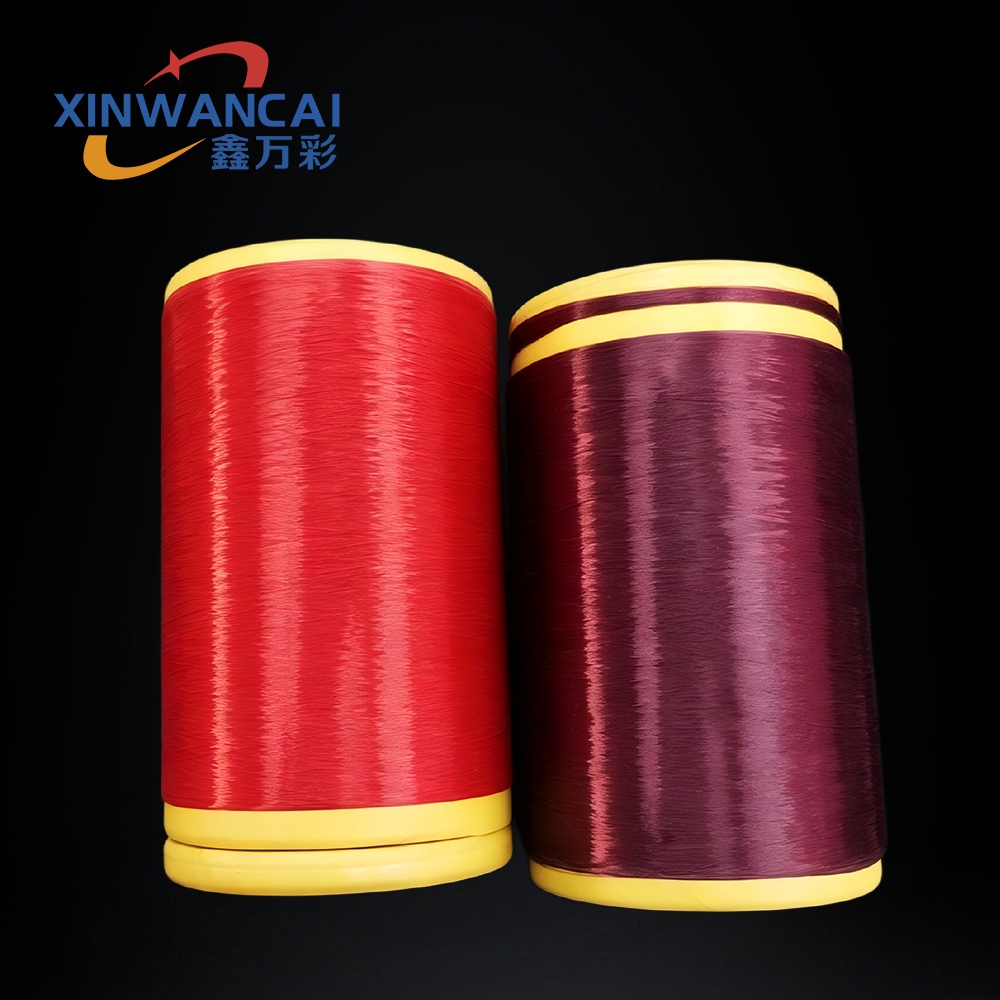
Getting a consistent color run after run is one of the trickiest parts of plastic production, and masterbatch is often the quiet hero that makes it possible. It’s not just about dumping pigment into a base resin—the dispersion has to be perfectly controlled, and even a tiny shift in let-down ratio or mixing conditions can throw a shade into territory that’s visibly off. High-quality masterbatch formulations are engineered to deliver the same color coordinates every time, batch after batch, because the carrier resin is selected to melt and blend smoothly with the host polymer, locking in uniformity at the microscopic level.
What makes this level of precision possible isn’t just the pigment itself—it’s how the masterbatch is designed to interact with your processing parameters. The particle size distribution, melt viscosity of the carrier, and even the way the colorants are pre-dispersed play a huge role. If any of these factors drift, you start seeing color variation that quality control flags immediately. Leading suppliers now use advanced spectrophotometric testing and statistical process control to guarantee that each pellet carries the exact same color load, so that when you feed it into an extruder or injection molder, the output matches the reference standard without constant manual tweaking.
On the production floor, true shade consistency also means fewer rejected parts and less downtime for color changes. Because the masterbatch acts as a concentrated, pre-formulated system, it minimizes the variance that comes from handling raw pigments, which clump or separate unpredictably. The result is a process where you can trust that the first shot and the ten-thousandth will have the same visual appeal, whether it’s a high-gloss consumer product or a technical component where color consistency signals quality. That kind of reliability changes how brands plan their manufacturing—when color precision is truly unlocked, you stop inspecting it and start relying on it.
Boosting Fiber Strength and Process Stability Without Compromise
Achieving higher fiber strength typically involves trade-offs—aggressive processing can compromise stability, while conservative approaches may limit performance. However, a refined approach that integrates real-time tension monitoring with adaptive drafting systems now enables simultaneous gains in both areas. By dynamically adjusting fiber alignment during key production stages, it becomes possible to reinforce weak points without introducing stress concentrations that lead to breaks or inconsistencies. This method preserves the inherent integrity of the material while pushing its mechanical limits further than conventional static processes allow.
Process stability often suffers when line speeds increase or when raw material variability spikes—two challenges that commonly undercut strength improvements. A closed-loop control system that responds to minute variations in fiber diameter and moisture content can maintain uniform treatment conditions, avoiding the over-correction that hardens surfaces or creates internal flaws. The result is a production flow that stays within optimal parameters regardless of external shifts, delivering fiber that consistently meets tensile specifications without the usual reject rates tied to high-speed runs.
What sets this integrated strategy apart is its refusal to treat strength and smooth operation as competing priorities. Traditional methods force a choice between reinforcing the fiber and running a trouble-free line, but a data-driven engineering framework proves they can amplify each other. By embedding predictive analytics at multiple touchpoints, the system anticipates potential failures and fine-tunes processing before issues emerge, ensuring that every meter of fiber benefits from the same exacting standards. This not only elevates the final product’s durability but also extends equipment life and reduces downtime—a rare synergy in modern manufacturing.
Specialty Effects That Differentiate Your Textile Line Instantly
Woven brilliance doesn’t happen by chance—it’s sparked by finishes that catch the eye in an instant. A pearlescent coating can shift under light, turning ordinary fabric into something that feels like liquid silk. When a textile shimmers subtly with zero added bulk, buyers lean in before they even touch it.
Texture plays its own quiet magic. Crisp embossed patterns or a soft, brushed hand-feel linger in memory long after the first glance. Think of a linen blend that suddenly reveals a hidden geometric relief when draped—details like that make your line undeniably distinct without uttering a word.
Then there’s the element of surprise embedded in the weave itself. Metallic threads, biodegradable glints, or heat-reactive yarns disrupt expectations and make a sample card unforgettable. It’s these thoughtful, uncommon touches that transform a basic collection into one that buyers recognize at a distance.
Practical Tips for Seamless Integration into Existing Spinning Setups
When bringing new elements into a running spinning line, gradual introduction is vastly underrated. Start with small, batch-tested additions rather than a full-scale swap. Let the existing machinery, from drafting rollers to spindle speeds, adapt incrementally. This approach not only minimizes downtime but also reveals subtle incompatibilities early—issues that a sudden changeover would mask until they become costly defects in the yarn.
Pay close attention to the tension zones. Many integration failures trace back to mismatched tension between the new component and the existing setup, whether it’s a different traveler profile or a modified apron. Instead of relying solely on standard settings, manually map the tension from creel to spindle for the first few bobbins. Small tweaks to the ring or lappet positioning can often resolve seeming incompatibilities without disrupting the overall workflow.
Don’t overlook the human element. The operators who know every hum and shimmy of the line are your best integration testers. Involve them from the trial stage—their observations about unusual vibrations, subtle strand breaks, or draft irregularities often pinpoint issues that technical specs miss. Pair their insights with data logging on evenness and hairiness for a few production cycles, and you’ll not only integrate seamlessly but likely uncover ways to optimize the entire line.
Selecting the Right Carrier Resin for Maximum Compatibility and Output
The backbone of any high-performance masterbatch lies in the carrier resin. It serves as the vehicle that transports pigments or additives into the base polymer, and its compatibility directly influences dispersion, processing stability, and final part aesthetics. A poorly matched carrier can lead to agglomerates, color streaks, or reduced mechanical properties, defeating the purpose of using a masterbatch in the first place.
To maximize output, the carrier resin must exhibit melt flow characteristics that closely align with the host polymer under processing conditions. For instance, when working with polyolefins, a carrier with a similar viscosity curve ensures uniform shear distribution during extrusion, minimizing pressure fluctuations and allowing higher throughput without sacrificing quality. Beyond rheology, thermal stability is paramount; the carrier must withstand repeated heat histories without degrading, which could otherwise contaminate the melt and slow down production.
Achieving optimal compatibility often requires looking beyond generic resin families and considering specialized copolymers or functionalized grades. For example, maleic anhydride-grafted carriers can dramatically enhance adhesion in polyamide or polyester systems, enabling the addition of fillers or reinforcements while maintaining a smooth, high-output process. By tailoring the carrier to the specific base resin and additive package, manufacturers unlock both consistency in the final product and the efficiency gains needed to stay competitive.
FAQ
Spinning masterbatch is a concentrated mixture of pigments or additives encapsulated in a carrier resin, specifically formulated for melt-spinning processes. It allows manufacturers to introduce color or functional properties directly into synthetic fibers during extrusion, eliminating the need for post-dyeing. The main benefits include consistent color dispersion, reduced water and energy consumption, improved lightfastness and washfastness, and the ability to impart specific functionalities like UV resistance or antimicrobial effects without extra processing steps.
Right now, color masterbatches remain the backbone of the industry, with a strong shift toward single-pigment dispersions for precise shade matching. Functional masterbatches are also in high demand—especially those offering permanent antimicrobial protection, moisture management, and flame retardancy. Soft-touch and matte effect masterbatches have gained traction for activewear and home textiles. Additionally, biodegradable and bio-based carrier systems are emerging as popular choices for manufacturers aiming to meet sustainability goals.
The choice depends heavily on the polymer matrix you're spinning. For polyester, you'll need a masterbatch with a polyester-compatible carrier that withstands high processing temperatures. Polypropylene typically requires a lower-melting carrier and careful selection of stabilizers to prevent degradation. Nylon demands masterbatches that resist yellowing at elevated temperatures. Always check the melt flow index and thermal stability data from the supplier, and run a small-scale trial to confirm dispersion quality and spinning continuity before full production.
High pigment loading masterbatches often provide better cost efficiency because you use less material to achieve the target shade—look for loadings above 40% when possible. Universal carrier systems can reduce inventory complexity if you work with multiple polymers. For black fibers, carbon black masterbatches with optimized dispersion require lower dosing and minimize filter pressure buildup. Partner with suppliers who offer pre-dispersed single pigments if you do in-house blending; this cuts waste and speeds up color development without sacrificing consistency.
Color masterbatches are primarily designed to deliver precise hue, chroma, and opacity, using high-quality organic or inorganic pigments. Their performance is measured by color strength, dispersion, and thermal stability during spinning. Additive masterbatches, on the other hand, incorporate functional agents—like UV stabilizers, antioxidants, processing aids, or permanent antimicrobials—into the fiber to enhance durability or performance. While they may also contain some coloration, their primary role is to modify physical or chemical properties rather than aesthetics. A single product can combine both, but it's common to use separate masterbatches to fine-tune each aspect independently.
Absolutely. Many suppliers now offer masterbatches using recycled or bio-based carrier resins that align with circular economy principles. Some products are designed to degrade under industrial composting conditions, while others incorporate natural pigments derived from renewable sources. Waterless dyeing is inherently more sustainable than traditional wet processing, so simply using masterbatch spinning already reduces environmental footprint. Look for masterbatches certified by OEKO-TEX or GRS if you need third-party validation, and ask about life cycle analysis data to compare options.
When properly formulated, masterbatch integration should not disrupt the spinning process. It's critical that the carrier resin matches the base polymer's rheology to maintain uniform melt pressure and filament diameter. Good dispersion prevents filter clogging and filament breaks. For fabric properties, the right masterbatch can enhance UV resistance, colorfastness, and even tensile strength if reinforcing additives are used. Conversely, a poorly matched masterbatch might cause shade variation, reduced tenacity, or surface defects, so always validate that the final yarn meets your desired denier, elongation, and appearance specifications.
One of the biggest mistakes is choosing a masterbatch solely based on price without evaluating thermal stability, which can lead to discoloration or volatile emissions during spinning. Inadequate drying of hygroscopic masterbatches before processing is another pitfall—moisture causes hydrolytic degradation that weakens the yarn. Overdosing can waste money and alter fiber properties, while underdosing leads to off-spec color. Finally, skipping compatibility tests when switching suppliers or resin grades often results in unexpected spinneret clogging or streaking. Always insist on detailed technical data sheets and run thorough trials.
Conclusion
When it comes to modern yarn production, spinning masterbatch has rapidly become the smarter alternative to conventional dyeing, offering textile manufacturers a cleaner, more efficient route to vibrant, long-lasting color. Unlike traditional wet dyeing, which guzzles water and energy while generating wastewater, masterbatch integrates pigment directly into the fiber during extrusion, locking in color at the core. This not only slashes environmental impact but also grants mill operators unprecedented control over shade consistency batch after batch. By dialing in precise pigment dispersion, you can hit exact Pantone targets with minimal delta E variation, eliminating the patchy results that often plague piece-dyed yarns. Beyond aesthetics, the right masterbatch formulation reinforces fiber integrity by minimizing thermal degradation, so you gain strength and process stability rather than sacrificing them. Plus, functional additives like UV blockers, antimicrobials, or cool-touch agents can be incorporated to instantly elevate your product line with specialty effects that set your textiles apart in a crowded market.
Getting the most out of spinning masterbatch, however, demands thoughtful integration. You don’t need a complete machinery overhaul—simple adjustments to feeder calibration, screw design, and mixing zones can ensure seamless dispersion in your existing spinning setup. Crucially, carrier resin selection makes or breaks compatibility: matching the masterbatch’s base polymer (polypropylene, polyester, nylon, etc.) to your host fiber avoids issues like phase separation or poor melt flow. Low-melt-index carriers often boost dispersion in high-tenacity yarns, while tailored wax or surfactant packages can enhance wet-out and draw-down. Manufacturers who fine-tune these variables report fewer breaks at the spinneret, reduced filter pack changes, and higher overall yield. Ultimately, spinning masterbatch isn’t just a color solution—it’s a strategic tool that combines sustainability, precision, and performance. For any mill looking to modernize and differentiate, these recommendations aren’t just nice-to-have; they’re essential starting points for staying competitive while delivering exactly what today’s demanding customers expect.
Contact Us
Contact Person: JACK
Email: [email protected]
Tel/WhatsApp: 86 18650130917
Website: https://www.xinwancai.com/