
Moss Decorative Exporter: Your Guide to Premium Preserved Moss for Interior Design
2026-09-17
A moss wall rarely makes it to the top of a designer’s list—until they see one that hasn’t faded, flattened, or turned brittle after a year. That’s the difference premium preserved moss brings, and it’s exactly what PHLEEYA specializes in as a moss decorative exporter. Whether you’re planning a statement lobby, a biophilic office, or a subtle residential accent, the quality of your moss source shapes everything. This guide unpacks what to look for, what to avoid, and how to use preserved moss to create interiors that stay remarkably alive—without a drop of water.
Preserved Moss Without the Usual Upkeep
Most greenery demands a constant cycle of watering, trimming, and fretting over sunlight—but preserved moss sidesteps all of that entirely. Once treated, it holds its soft texture and deep green hues without a single drop of water or pruning session. You simply place it, admire it, and forget about it, which makes it perfect for dim corners, busy offices, or anyone who has ever watched a fern surrender to neglect.
What surprises people most is how tactile and alive it still feels. Unlike plastic imitations, preserved moss retains a gentle, velvety give under your fingers, and its natural variations in tone—from sage to forest to almost blue—create depth no faux plant can match. Because it’s real moss that’s been carefully stabilized, each piece carries subtle imperfections: a slightly curled edge, a patch that catches the light differently. Those quirks make every arrangement feel hand-gathered rather than mass-produced.
The upkeep equation is equally liberating: no soil, no grow lights, no seasonal repotting. A gentle dusting or the occasional puff of air keeps it looking fresh for years. And since it doesn’t rely on humidity or drainage, you can mount it vertically, frame it as wall art, or tuck it into a shallow bowl without ever worrying about rot. For anyone who loves the calm of greenery but lacks the bandwidth for a living plant, preserved moss offers that quiet, grounded presence—minus the guilt trip when life gets busy.
What Separates Premium Moss from the Rest
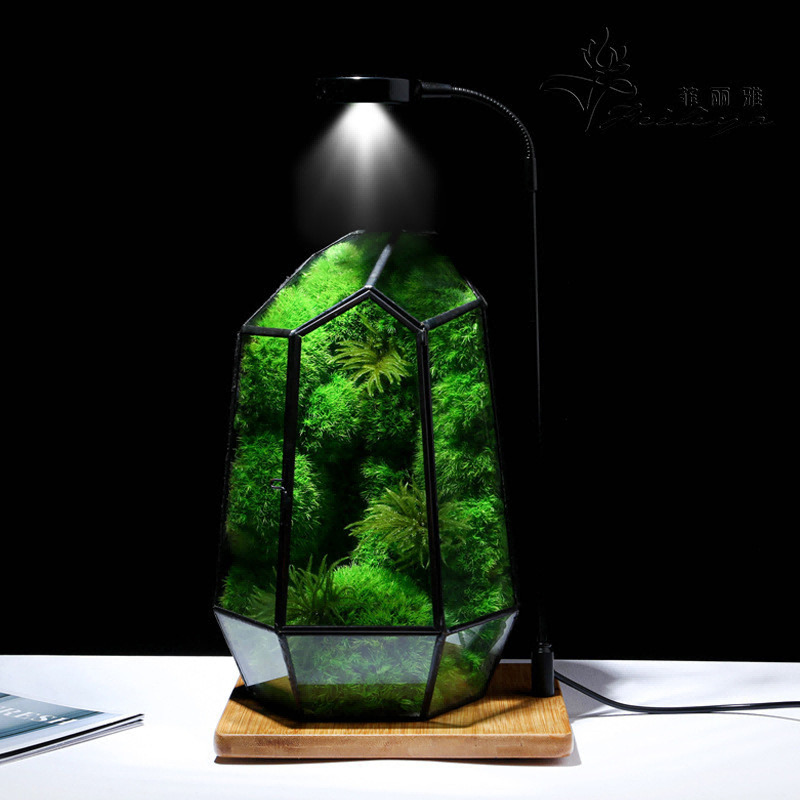
The first thing you notice with premium moss is how clean it is. Every batch is hand-sorted to remove twigs, needles, and soil particles that cheaper options leave behind. This level of care means you are not picking out debris before you can use it, and the final look is far more uniform.
Processing also sets premium moss apart. Instead of aggressive chemical dyes or rapid heat drying, it goes through a gentler preservation method that keeps the stems supple. The color stays richer for longer, and the moss resists crumbling even after months indoors.
Finally, there is the feel. Premium moss has a soft, almost velvety texture with a natural bounce when you press it. Low-grade moss tends to be brittle or stiff, which limits how well it works in terrariums or living walls. That tactile difference is often the quickest way to tell you are working with something worth the extra cost.
Choosing a Moss Exporter You Can Actually Trust
In a market crowded with brokers posing as growers, the first real test is simple: ask for harvest coordinates and packing dates. A trustworthy moss exporter won't hesitate to share where the material was collected, when it was processed, and how it was stored before shipping. That level of specificity is rare, but it separates suppliers with genuine control over their product from those simply flipping orders.
Another sign is how a company handles problems. Shipping live or dried moss across borders invites variables—moisture changes, compression, customs delays. The exporters worth keeping are the ones who acknowledge this upfront and walk you through their rehydration or recovery guidance without making excuses. They'll also send pre-shipment photos and moisture readings without being asked twice.
Finally, look at the consistency of their lot sizes and grading. A dependable operation will have clear internal grades for color, stem length, and debris content, and they'll stick to those definitions across seasons. If you can order a sample in April and a full container in November without a shift in quality, that's not luck—it's process discipline, and it's the only real basis for a long-term partnership.
Design Ideas That Go Beyond the Accent Wall
A single painted wall often acts as a quick fix, but rooms start to feel more intentional when the entire shell gets involved. Instead of isolating one plane, wrap the same color around baseboards, window trim, and even the ceiling to create a cohesive envelope. The effect reads as architectural rather than decorative, especially in older homes where slightly off-white moldings can interrupt the flow.
Texture can do the heavy lifting that paint alone cannot. Plaster with a softly troweled finish, fluted wood panels, or a wall of honed limestone introduces depth without needing a bright contrast color. In a living room, try running vertical slats from floor to ceiling behind a sofa and let the natural grain shift with the light; it becomes a backdrop that changes throughout the day instead of a static backdrop.
Another move is to treat the wall as a piece of furniture rather than a surface. Built-in shelving with a closed cabinet base and open upper shelves can anchor a dining area or home office, while a floor-to-ceiling bookshelf with a rolling ladder gives the eye a reason to travel upward. Add a small reading light inside one of the shelves and you get both function and a glowing focal point without a single accent color.
The Longevity Question: How Preserved Moss Holds Up
Preserved moss doesn't die so much as it slowly settles into a quieter version of itself. The preservation process replaces moisture with a plant-safe glycerin blend, which keeps the fronds supple and stops decay at the cellular level. In a stable indoor environment—say, 40 to 60 percent humidity and no direct sun—it can look freshly installed for five to eight years. The first thing you'll notice isn't crumbling, but a slight softening of the vibrant green, like a photograph fading just enough to feel lived in.
Where it gets tricky is with touch and air flow. Preserved moss is static; it won't grow or repair itself, so repeated handling can snap delicate tips or compress the cushion over time. High-humidity rooms, like bathrooms with poor ventilation, may cause the glycerin to leach and leave a tacky residue. Dry, drafty spots can make edges crisp. None of this means failure—it just means the moss ages visibly, which some designers actually prefer for a more organic, less plastic look.
Sustainability Claims Worth Checking Before You Buy
Plenty of products now carry words like 'green' or 'eco-friendly' on the label, but those terms alone don't tell you much. A genuinely useful claim names the specific impact it reduces—such as water use in dyeing, recycled content in the fabric, or emissions from shipping. If the packaging only offers a vague promise without numbers or a clear method, treat it as a signal to dig deeper rather than a reason to buy.
Certifications can help, but only when they come from independent bodies with published standards. Look for marks like Fair Trade, OEKO-TEX, or Cradle to Cradle, and check what they actually cover. A logo designed by the brand itself, or a 'responsibly made' badge with no criteria listed, often means less than it appears. The strongest labels audit supply chains or test finished goods, rather than simply charging a fee for use.
Watch out for reassuring phrases like 'carbon neutral' or 'biodegradable'. Carbon neutrality can lean heavily on offset purchases instead of real reductions, and biodegradable items may need industrial composting facilities that most households don't have. Ask what happens at the end of the product's life and whether the company addresses packaging and transport, not just one headline feature.
FAQ
Preserved moss is real moss that has been treated with a glycerin-based solution to replace its natural moisture, so it stays soft and flexible for years. Unlike typical dried moss, which turns brittle and crumbles, preserved moss keeps its plush texture and color without needing water or soil. It’s a different beast from the dusty, faded clumps you find in craft aisles.
Absolutely. Because preserved moss doesn’t photosynthesize, it doesn’t care about light levels at all. You can use it to add a rich green accent to windowless bathrooms, dark hallways, or basement offices where live plants would struggle. The visual impact comes from texture and depth, not from trying to keep something alive.
Look for an exporter who sends samples first, is transparent about the preservation process, and can guarantee color consistency across large batches. A reliable partner will also have clear documentation for customs and know how to package moss so it doesn’t get crushed or overly humid during shipping. You want someone who treats moss like a design material, not an afterthought.
Reindeer moss and sheet moss are the workhorses for large installations. Reindeer moss comes in small, rounded clumps that are easy to glue onto panels and hides seams well, while flat sheet moss creates a smoother, forest-floor look. Ball moss and mood moss can add variety, but they’re better as accents because their shapes are harder to align over big surfaces.
Dust it gently with a soft brush or a hairdryer on a cool, low setting. Avoid water, cleaning sprays, or direct contact with anything wet, because that can break down the glycerin treatment and leave stains. The biggest enemy is actually very dry air plus direct heat, which can make the moss stiffen over time.
Good quality preserved moss should have almost no odor after installation. If there’s a smell, it’s usually a sign of excess glycerin or poor drying before packing. In a well-ventilated room it fades within days. For sensitive clients, ask the exporter about low-odor batches or air out the panels in a warehouse for a week before installing.
Even though preserved moss is often treated with fire-retardant additives, it’s not fireproof. Many building codes treat it as a decorative finish, so check local regulations for commercial spaces. A common precaution is to keep moss panels away from recessed lighting, heat sources, and open flames, and request a flame-spread certificate from the supplier when needed.
Preserved moss prefers moderate humidity levels between 40% and 60% and temperatures that are comfortable for people. Very dry air can make it feel crispy, while constantly high humidity above 70% may encourage mold or cause the color to bleed. Avoid placing it directly above radiators, air vents, or in bathrooms that get steamy.
Conclusion
Preserved moss has quietly reshaped how designers approach biophilic interiors, mostly because it removes the one thing that kills most green walls: maintenance. Unlike living walls, premium preserved moss needs no watering, trimming, or sunlight, yet it holds its color and softness for years. The difference between an average batch and a truly premium one is rarely obvious in photos; it shows up in how the moss was harvested, how it was treated with glycerin and dyes, and whether the stems stay supple instead of turning brittle. A trustworthy exporter will send physical samples, explain their preservation process, and offer consistency across orders—things that matter more than a polished catalog.
Beyond the usual accent wall, preserved moss works well as ceiling baffles, room dividers, framed art, or even inset panels in shelving and headboards. Longevity depends less on the moss itself and more on the indoor environment: stable humidity, no direct sun, and minimal handling will keep it looking fresh for five to ten years. When evaluating sustainability claims, ask how the moss is sourced, whether the harvesting method allows regrowth, and if the preservation chemicals are non-toxic and biodegradable. A good exporter won't just list these facts; they'll have third-party documentation or at least a clear chain of custody. In the end, the best suppliers treat preserved moss as a crafted material, not a commodity.
Contact Us
Contact Person: Mr. Luo
Email: [email protected]
Tel/WhatsApp: 86 18100895505
Website: https://www.feiliyaflowers.com/en/