
Monochrome LCD Display: Unveiling High-quality Visual Solutions for Every Need
2026-03-24
Welcome to the world of advanced display technology. In an era inundated with vibrant screens, monochrome LCD displays stand out as versatile, high-quality solutions tailored for a wide range of applications. From industrial machinery to medical devices and beyond, these displays offer unparalleled clarity, durability, and energy efficiency. In this blog, we’ll explore the innovative capabilities of monochrome LCDs and how Jingda-Display is leading the charge in delivering cutting-edge visual solutions. Get ready to uncover how these displays can transform your projects and meet every need with precision and reliability.
Essential Features of Monochrome LCDs: A Closer Look at Key Technologies
When you think of monochrome LCDs, it's easy to picture simple black-and-white displays, but the technology behind them is anything but basic. These screens rely on a liquid crystal layer sandwiched between two polarizers, with each pixel controlled by a transistor. This setup allows for sharp, stable images with minimal power consumption, making them ideal for applications where battery life is critical, such as in medical devices or industrial equipment. Unlike color displays, which use subpixels to mix red, green, and blue, monochrome LCDs focus on maximizing contrast and readability, often resulting in superior clarity in low-light conditions.
One standout feature of monochrome LCDs is their ability to maintain performance across a wide temperature range, from freezing cold to scorching heat. This resilience stems from advanced materials and manufacturing techniques, like using robust glass substrates and specially formulated liquid crystals that resist degradation. In harsh environments, such as automotive dashboards or outdoor signage, this durability ensures consistent operation without the need for complex cooling systems. Additionally, many models incorporate reflective or transflective backlighting options, which enhance visibility in bright sunlight while keeping energy use low—a practical advantage that color variants often struggle to match.
Beyond durability, monochrome LCDs excel in customizability, offering flexible viewing angles and refresh rates tailored to specific needs. For instance, in e-readers or point-of-sale terminals, engineers can tweak the display's response time to eliminate ghosting, providing a smooth user experience. Innovations like segment- or dot-matrix configurations allow for precise control over information presentation, enabling everything from simple numeric readouts to detailed graphics. By stripping away the complexity of color reproduction, these screens can achieve faster processing and reduced costs, making them a smart choice for projects where simplicity and reliability are paramount.
Choosing the Right Monochrome LCD: Tailored Solutions for Diverse Applications
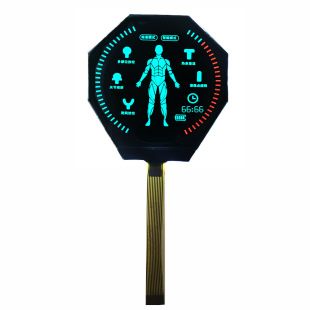
Picking the perfect monochrome LCD display isn't a one-size-fits-all task—it's about matching specific features to real-world needs. In rugged industrial settings, you'll want high-contrast panels with wide viewing angles that remain readable under harsh lighting or in dusty environments, while medical devices might prioritize low power consumption and clarity for precise diagnostics.
Beyond basic specs, consider factors like temperature tolerance for automotive dashboards or sunlight readability for outdoor kiosks. Some applications even benefit from customizable pixel arrangements to highlight critical data, moving beyond simple black-and-white text to enhance user interaction.
By focusing on these nuanced requirements, you can optimize performance, reduce costs, and ensure reliability—turning a generic display into a tailored solution that truly fits your project's demands.
Enhancing User Experience: The Role of Monochrome Display Clarity
Picture this: you're glancing at a smartphone screen in bright sunlight, and instead of squinting to decipher washed-out colors, you see crisp, high-contrast information instantly. Monochrome displays excel here, delivering unparalleled clarity by stripping away the distraction of color, focusing solely on luminance and contrast. This simplicity isn't a compromise; it's a strategic advantage that enhances readability and reduces eye strain, especially in demanding environments like medical devices or outdoor equipment where every detail matters.
What sets monochrome clarity apart is its ability to convey information with minimal cognitive load. Without the need to process a spectrum of hues, users can quickly interpret data, from graphs on a fitness tracker to text in an e-reader, leading to faster decision-making and a more seamless interaction. It's not just about seeing clearly—it's about thinking clearly, making these displays indispensable in applications where efficiency and accuracy are paramount, such as industrial controls or aviation instruments.
Beyond functionality, the aesthetic appeal of monochrome displays adds a timeless, sophisticated touch to user interfaces. Their clean, minimalist design can evoke a sense of calm and focus, much like reading a classic book on paper. This emotional resonance, combined with practical benefits, ensures that monochrome clarity remains a key player in crafting intuitive and engaging user experiences, proving that sometimes, less truly is more in the digital landscape.
Durability and Reliability: How Monochrome LCDs Stand Up to Challenges
Monochrome LCDs have built a reputation for exceptional durability and reliability, often outperforming their color counterparts in harsh environments. Their simpler construction, with fewer layers and no color filters, minimizes points of failure, making them less susceptible to damage from temperature extremes, moisture, and physical shocks. This robustness allows them to operate consistently in demanding applications, from industrial machinery to outdoor displays, where reliability is non-negotiable and downtime can be costly.
Beyond structural simplicity, monochrome LCDs leverage passive matrix technology or advanced reflective designs that reduce power consumption and heat generation, further enhancing their longevity. Without the need for backlighting in many cases, they avoid common issues like backlight burnout or color degradation over time. This inherent stability results in fewer maintenance requirements and a longer operational lifespan, proving invaluable in remote or critical settings where frequent replacements are impractical.
In practice, these displays excel under challenges such as constant vibration, exposure to UV light, or operation in low temperatures where other screens might falter. Their ability to maintain clear visibility in direct sunlight, thanks to high contrast ratios and reflective properties, sets them apart in scenarios like automotive dashboards or marine instruments. This combination of durability and reliability makes monochrome LCDs a trusted choice for industries prioritizing resilience and consistent performance over aesthetic flexibility.
Innovative Trends in Monochrome Displays: What the Future Holds
The future of monochrome displays is being reshaped by breakthroughs in electronic paper technology and ultra-low-power consumption designs. These innovations are not just improving existing applications like e-readers and smartwatches, but also enabling new uses in flexible wearables and large-scale digital signage. By integrating advanced materials such as graphene and perovskite, manufacturers are achieving higher contrast ratios and faster refresh rates, making monochrome screens more versatile and visually appealing beyond simple text display.
Another exciting trend is the convergence of monochrome displays with IoT and ambient computing, where screens serve as subtle, always-on interfaces that blend seamlessly into environments. This moves away from flashy, distracting designs towards minimalist interfaces that prioritize information clarity and energy efficiency. For instance, monochrome panels in smart home hubs or industrial dashboards now support dynamic data visualization without the glare or power drain of color screens, fostering more intuitive user interactions in low-light or high-ambient-light conditions.
Looking ahead, the development of hybrid display systems that combine monochrome and color elements in a single device is gaining traction, offering a balance between aesthetic simplicity and functional richness. This approach allows for context-aware switching—using monochrome for prolonged reading or battery-saving modes and color for alerts or enhanced graphics. As these trends evolve, monochrome displays are poised to become integral to sustainable tech solutions, reducing electronic waste through longer lifespans and lower energy demands, ultimately shaping a future where simplicity and innovation coexist.
Practical Implementation Tips: Integrating Monochrome LCDs into Your Projects
To start integrating a monochrome LCD into your project, begin by selecting a display module that matches your specific needs for size, resolution, and interface type. Common options include character-based LCDs or graphic displays, which can be interfaced via parallel, SPI, or I2C protocols. Check the datasheet carefully for voltage requirements and pinout diagrams to avoid compatibility issues during wiring.
Once you have the hardware connected, focus on the software side by writing or adapting driver code for your microcontroller or single-board computer. Libraries for platforms like Arduino or Raspberry Pi can simplify this process, but customizing them lets you optimize for performance or add unique features like custom fonts or animations. Ensure your code handles initialization commands, data transmission, and potential timing delays accurately to prevent flickering or incorrect display output.
Finally, consider practical aspects such as power management and environmental factors. Monochrome LCDs typically consume low power, making them suitable for battery-operated projects, but adding features like backlighting can increase energy use. Test your setup under different conditions to ensure reliability, and explore creative applications, such as using the LCD for real-time data monitoring or interactive interfaces, to make your project stand out from others that might rely on more common display types.
FAQ
Monochrome LCD displays are ideal for applications requiring clear, reliable visuals with minimal power consumption. They're commonly used in medical devices for diagnostic tools, industrial equipment for control panels, automotive dashboards for gauges, and consumer electronics like calculators or e-readers, where readability and durability are key.
Opting for a monochrome display offers advantages such as lower power usage, which extends battery life in portable devices. It often provides better contrast and visibility in various lighting conditions, especially outdoors, and can be more cost-effective for applications where color isn't necessary, reducing complexity and maintenance needs.
High-quality monochrome LCDs achieve sharp visuals through features like high resolution, advanced backlighting options (e.g., LED or CCFL), and optimized pixel structures. They focus on delivering excellent grayscale depth, fast response times to prevent motion blur, and anti-glare coatings to enhance readability in bright environments.
Many suppliers offer customization to fit specific needs, including varying sizes (from small segments to large panels), different viewing angles, touchscreen integration (e.g., resistive or capacitive), and specialized interfaces like SPI or I2C. You can also choose from various backlight colors (e.g., white, green, amber) to suit design aesthetics.
Yes, monochrome LCDs are inherently energy-efficient due to their simpler design, which requires less power to operate compared to color displays. They often support low-power modes or can be paired with efficient backlighting, making them suitable for battery-powered or solar-charged devices, helping reduce overall energy costs.
These displays are built to withstand challenging conditions, with options for wide operating temperature ranges (e.g., -20°C to 70°C or beyond), high humidity resistance, and robust construction that resists shock and vibration. Some models feature ruggedized glass and sealed designs to prevent dust and moisture ingress, ensuring longevity in industrial or outdoor settings.
Absolutely, monochrome LCDs are compatible with modern tech, supporting integration into IoT systems through standard communication protocols. They can display data from sensors, connect to microcontrollers or processors, and offer interfaces for real-time updates, making them a practical choice for smart home appliances, wearable tech, or remote monitoring setups.
When choosing a monochrome LCD, consider factors like the required display size and resolution, power consumption limits, environmental conditions (e.g., temperature or lighting), interface compatibility with your hardware, and any need for touch or custom backlighting. It's also wise to test samples for readability and durability to ensure it meets your specific application demands.
Conclusion
Monochrome LCD displays offer versatile visual solutions by combining essential technologies like high contrast ratios and energy-efficient backlighting to ensure sharp, clear presentations across various environments. These displays are tailored for diverse applications, from medical devices to industrial controls, where their clarity enhances user experience through easy readability in challenging lighting conditions. By focusing on durability and reliability, monochrome LCDs withstand harsh conditions, proving ideal for projects requiring long-term functionality without compromising performance.
Looking ahead, innovative trends such as improved power efficiency and advanced interfaces are shaping the future of monochrome displays, making them even more adaptable to evolving needs. Practical implementation tips, like optimizing viewing angles and integrating seamlessly with existing systems, help users maximize these benefits. Overall, monochrome LCDs provide a robust, high-quality solution that meets the demands of multiple industries, blending timeless monochrome clarity with modern advancements for reliable and effective visual communication.
Contact Us
Contact Person: Vincent
Email: [email protected]
Tel/WhatsApp: 86 135 5485 1379
Website: https://www.jda-display.com/