
Laser Wound Healing for Excellent Recovery Quality
2026-08-03
What if a simple laser could transform wound recovery into a nearly invisible process? In the world of precision medical aesthetics, GUANG TAI is rewriting the rules—where scarless healing and rapid tissue regeneration aren't just ideals, they're everyday results. This blog series pulls back the curtain on the science and real-world success behind laser wound healing, revealing how cutting-edge light technology is redefining recovery quality in ways that feel almost too good to be true.
The Science Behind Faster Healing with Light
Light therapy taps into a cellular mechanism known as photobiomodulation, where specific wavelengths—particularly in the red to near-infrared range—interact with cytochrome c oxidase, a key enzyme in the mitochondrial electron transport chain. This interaction boosts the production of adenosine triphosphate (ATP), the energy currency of the cell. With amplified energy reserves, cells can accelerate repair processes, from closing wounds to regenerating tissue. Essentially, the light acts as a subtle but potent signal that nudges cellular metabolism into a regenerative state, reducing downtime after injury.
Beyond energizing mitochondria, light also modulates inflammation and oxidative stress. It prompts the release of nitric oxide from binding sites within the mitochondria, improving local blood flow and oxygen delivery—a critical factor for healing. At the same time, controlled light exposure can downregulate pro-inflammatory cytokines while upregulating antioxidants like superoxide dismutase. This dual action doesn't just calm the acute inflammatory response; it creates an environment where collagen synthesis and angiogenesis can proceed more efficiently, resulting in faster, more resilient tissue reconstruction.
It’s not a one-size-fits-all approach: the dosage and pulsing of light matter profoundly. Too little light yields no effect, while too much can inhibit healing, a phenomenon known as biphasic dose response. Research has pinpointed sweet spots for various conditions—typically a few joules per square centimeter, delivered in short, repeated sessions. This precision helps explain why handheld LED arrays and low-level lasers can be fine-tuned for everything from post-surgical recovery to chronic wounds. Rather than a blanket stimulus, the science points toward a carefully orchestrated dialogue between photons and tissues, one that coax the body's innate repair pathways to work smarter, not harder.
Scar Prevention That Feels Almost Invisible
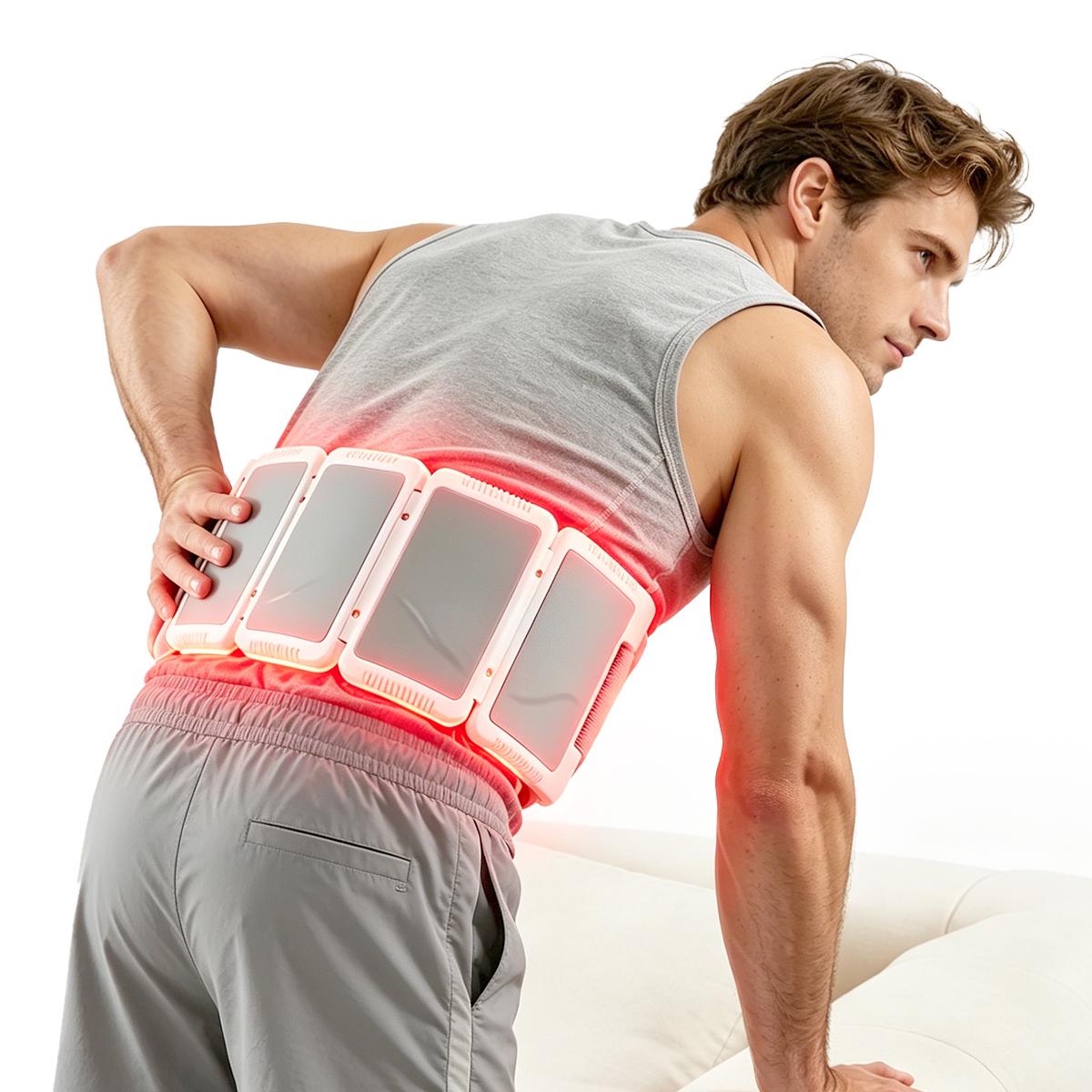
The best scar care is the one you forget you're wearing. Unlike thick, sticky silicone sheets that tug at skin and demand constant attention, modern lightweight gels and films blend into your daily routine seamlessly. They create a breathable, protective barrier that locks in moisture without the heavy residue, so you can go about your day with confidence—whether you're at the gym, at work, or out with friends.
What makes this approach so effective is its ability to mimic the skin's natural repair process. By maintaining an optimal healing environment, these barely-there formulas help flatten and fade scars while letting skin breathe. The texture is so subtle that you'll often forget it's there, yet the results speak over time—smoother, softer tissue that doesn't draw the eye. It's scar care that works quietly in the background, just like your body's own healing mechanisms.
Easing Discomfort Without Heavy Medication
It’s surprising how a few deep breaths can shift the body’s response to discomfort. When tension or mild pain creeps in, intentionally slowing your exhale sends a signal to the nervous system that it’s safe to relax. This simple habit, paired with stepping away from a screen for five minutes, often takes the edge off without any pill.
Heat and gentle movement are two reliably overlooked allies. A warm compress on tight shoulders or a short walk around the block nudges circulation into gear, easing stiffness that can masquerade as something more serious. The trick is catching the discomfort early—waiting until it screams often demands stronger intervention.
Shifting your focus can also rewire what the brain labels as pain. Instead of fixating on the ache, some people find relief in humming, listening to layered sounds, or pressing a thumb into the opposite palm. These small distractions don’t cure the root cause but give the body enough space to recalibrate on its own terms.
Getting Back to Normal Sooner Than Expected
It struck me one morning while sipping coffee on the porch. The world wasn't just quieter—it felt familiar again. Traffic hummed in the distance, kids were laughing at the bus stop, and I realized I hadn't thought about the pandemic in days. Recovery didn't arrive with a grand announcement; it slipped in through the cracks of everyday rituals.
What surprised me most was how quickly the weight lifted. I expected a long, weary climb back to normalcy, plastered with caution signs. Instead, small joys spontaneously emerged—a packed diner, a spontaneous hug, unlocked doors. It was as if we collectively decided to trust the air again, almost overnight.
Of course, not everything is the same. I still keep hand sanitizer in the car out of muscle memory, and some friendships shifted into a quieter gear. But those changes don't feel like losses anymore—just reminders of how adaptable we are. Getting back to normal sooner than expected wasn't a return; it was a quiet evolution into something a little wiser, a little more grateful.
Who Benefits Most from This Approach
Small business owners and independent operators often find this approach transformative. Without large marketing budgets or dedicated IT teams, they need tools that simplify complex tasks and deliver clear, measurable outcomes. The focus on usability and direct impact means they can direct their limited time and energy toward growth activities rather than grappling with technical hurdles. It levels the playing field, giving them access to capabilities once reserved for enterprises with deeper pockets.
Freelancers and solo consultants are another group that sees immediate value. They juggle multiple roles and clients, making efficiency paramount. A methodology that streamlines client onboarding, project management, or service delivery frees up hours each week. Beyond time savings, it helps them project a more polished, professional image without having to invest in expensive software suites or assistants. This can be the difference between blending in and standing out in crowded marketplaces.
Non-technical team members within larger organizations also gain significantly. Often, they are the ones tasked with executing strategies but lack the deep technical know-how to customize complex systems. An approach that prioritizes intuitive interfaces and clear guidance empowers them to take ownership of processes, reducing reliance on specialist departments. This not only accelerates implementation but also boosts confidence and job satisfaction, as they can see the direct results of their efforts without constant bottlenecks.
What Sets Laser Care Apart from Conventional Options
Traditional treatments often come with a one-size-fits-all approach, lengthy recovery times, and results that can feel underwhelming. Laser care changes that equation by targeting the root of the issue with remarkable precision, sparing healthy tissue and dramatically reducing downtime. This isn't just about faster healing—it's about reclaiming your time and confidence without the compromise.
What truly distinguishes laser technology is its ability to stimulate the body's own regenerative processes. Instead of simply masking symptoms or providing a temporary fix, it prompts collagen production and cellular renewal, leading to improvements that continue long after the session ends. The result feels less like a medical procedure and more like a natural reset.
FAQ
Laser wound healing uses focused light energy to stimulate tissue repair, reduce inflammation, and speed up the closure of wounds. The light penetrates the skin and interacts with cells to boost cellular metabolism and collagen production, which helps the wound heal faster and with less visible scarring.
Laser therapy is suitable for a variety of wounds, including surgical incisions, burns, diabetic ulcers, pressure sores, and traumatic injuries. It is particularly helpful for slow-healing or chronic wounds that haven't responded well to conventional treatments.
By accelerating tissue regeneration and reducing inflammation, laser therapy not only speeds up healing but also improves the final appearance of the scar. It can restore skin strength and elasticity, making the healed area look and feel more like the surrounding healthy tissue.
When performed by a trained professional, laser wound healing is generally safe and painless. Side effects are rare but may include temporary redness or warmth in the treated area. It's non-invasive and doesn't involve any medication, which makes it a good option for many patients.
The number of sessions depends on the wound size and depth. Some acute wounds show improvement after just one or two treatments, while chronic or larger wounds might require multiple sessions over several weeks. Your healthcare provider will design a plan tailored to your specific case.
Yes, it is often used alongside standard wound care like dressings, topical medications, or even surgical closure. This combined approach can offer a synergistic effect, leading to better and faster recovery than any single method alone.
Most patients feel no pain during the treatment; only a gentle warmth or tingling sensation. Afterward, there's usually no discomfort, and you can resume normal activities right away. It's a comfortable alternative for those who want to avoid more aggressive therapies.
Unlike traditional methods that mainly clean and protect the wound, laser therapy actively stimulates the body's own healing response at a cellular level. This means it can jump-start sluggish healing processes and lead to a higher-quality repair, often with less scarring and reduced infection risk.
Conclusion
Light-based therapy isn't just another treatment—it taps into the body's own repair mechanisms to speed up healing. Low-level lasers deliver specific wavelengths that energize cells, boosting collagen production and improving circulation right where it's needed. This gentle photobiomodulation means wounds close faster, and the resulting scars often fade into a near-invisible line rather than a raised, angry mark. Unlike topical creams or silicone sheets alone, the light works from within to organize collagen fibers, so the healed skin stays soft and flexible. Many patients also notice that the usual throbbing and irritation ease up without relying heavily on painkillers. It's a comfortable, drug-free way to manage discomfort during the recovery window.
Getting back to your daily routine doesn't have to drag on for weeks. Because laser treatment jump-starts the body's regenerative process, many people regain function and confidence sooner than they'd imagined. This approach isn't limited to surgical incisions—it's remarkably effective for burns, diabetic ulcers, and even traumatic wounds that struggle to heal on their own. Anyone aiming for a smoother recovery with minimal downtime can benefit, from athletes eager to return to training to older adults coping with fragile skin. What truly sets this method apart from conventional dressings or ointments is its ability to address the root issues: poor circulation and sluggish cell activity. By directly stimulating tissue repair without added chemicals or invasive steps, it offers a cleaner, more natural path to recovery. Time and again, patients report not just a healed wound, but a result that feels like their own untouched skin.
Contact Us
Contact Person: Leon Yi
Email: [email protected]
Tel/WhatsApp: +86 17363316873
Website: https://zzgt.en.alibaba.com/