
Fanfold Cardboard: Top 10 Versatile Solutions for Modern Packaging
2026-07-15
In today's dynamic logistics landscape, fanfold cardboard is redefining efficiency—offering a customizable, space-saving alternative that adapts to products of any shape. With sustainability and cost control top of mind, this material has become the go-to for innovative packaging strategies. At ShiTeng Packaging, we’ve curated ten standout solutions that showcase its remarkable versatility. Whether you’re looking to reduce waste or streamline fulfillment, these ideas will change how you think about modern packaging.
Unboxing the Strength Behind Fanfold Cardboard
When you first handle a sheet of fanfold cardboard, it’s easy to underestimate its toughness. The secret lies in its fluted inner layer, which acts like a series of interconnected arches, distributing weight and resisting crushing forces far better than a flat board ever could. These zigzag walls create air pockets that not only lighten the load but also add a surprising degree of rigidity, making the material ideal for protecting goods that range from delicate electronics to heavy auto parts.
The strength isn’t just about withstanding pressure from above. Fanfold cardboard excels in edge crush resistance and stacking stability because the corrugated medium is precisely aligned during manufacturing. When layers are laminated together at high temperatures, the bond becomes remarkably durable, preventing delamination even in humid conditions. This engineered structure means that a single piece can be scored, folded, and wrapped around irregular shapes without compromising its protective qualities, something that solid boards simply can’t match.
What often goes unnoticed is how the material’s flexibility contributes to its overall resilience. Unlike rigid packaging that snaps under bending stress, fanfold cardboard bends along the flutes, absorbing shocks and vibrations instead of transmitting them. This dynamic give-and-take during transit acts like a cushion, safeguarding contents from impacts that would otherwise transfer directly through stiffer materials. It’s this combination of structural ingenuity and material adaptability that gives fanfold cardboard its unassuming yet remarkable strength.
How Fanfold Cardboard Trims Shipping Weight and Spend
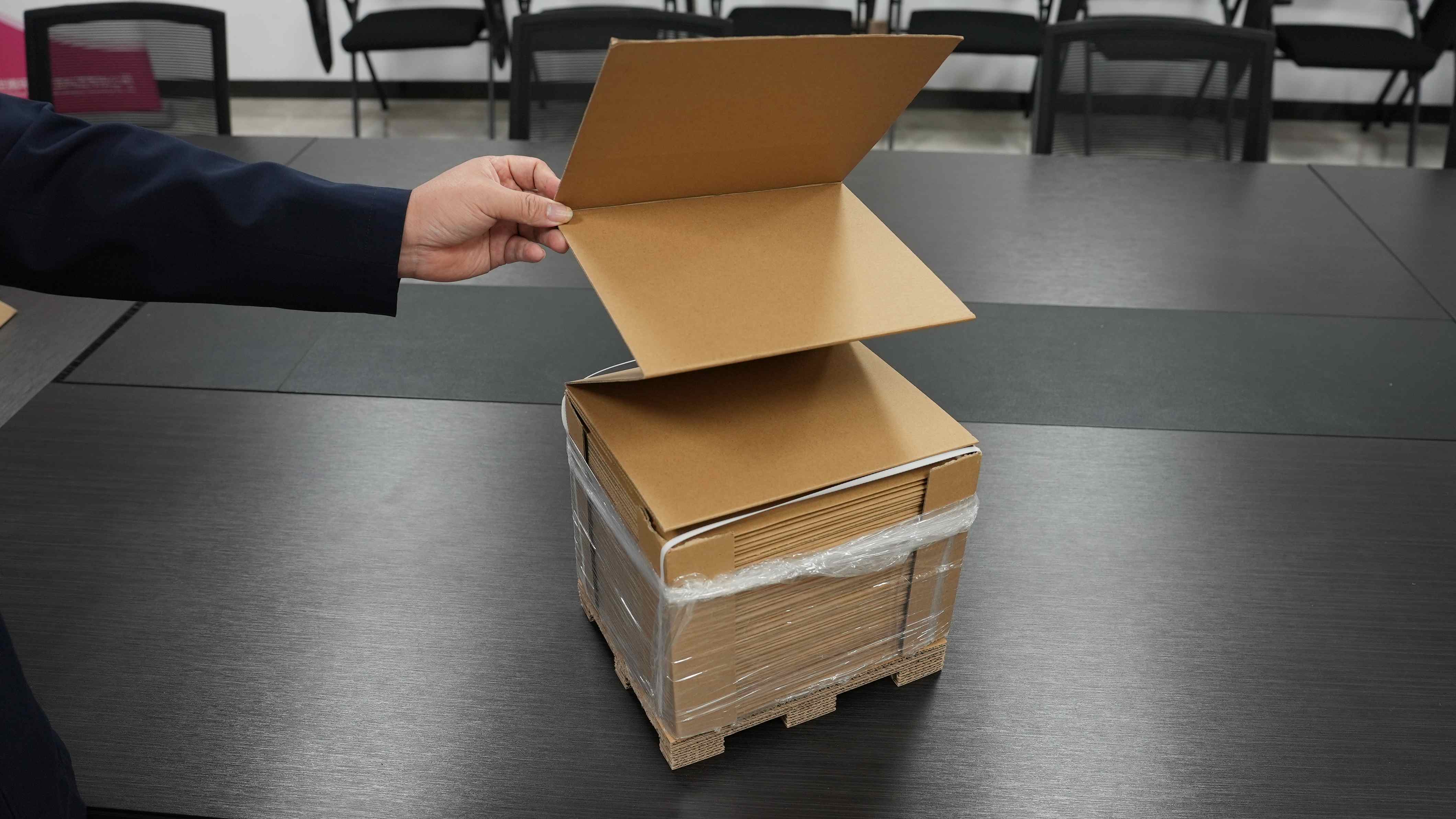
Fanfold cardboard brings a clever twist to packaging by arriving in a continuous, accordion-style sheet instead of pre-cut boxes. This format eliminates the dead space that traditional boxes create when stacked, allowing more material to fit onto a single pallet. The result is a dramatic reduction in shipping volume, which directly lowers freight costs and the number of trips needed to move the same quantity of protective packaging.
Beyond the space-saving geometry, fanfold sheets are typically lighter than their rigid box counterparts because they use less material per unit of protection. You're not shipping air or excessive corrugated layers—just the right amount of cushioning that can be custom-cut on demand. This weight reduction translates into immediate savings on carrier charges, especially for businesses that ship high volumes of fragile items where every ounce counts.
Operationally, fanfold cardboard streamlines the packing process and cuts down on warehouse clutter. Instead of stocking multiple box sizes, a single stack of fanfold serves as a flexible source for wrapping, layering, or constructing custom-fit inserts. This versatility means fewer SKUs to manage and less capital tied up in inventory, while the lighter shipments help keep your overall logistics budget lean without compromising on product safety.
Goodbye, Bubble Wrap: A Smarter Protective Layer
For decades, bubble wrap has been the go-to for protecting fragile items, but its flaws are hard to ignore. It’s bulky, takes up too much storage space, and often ends up in landfills after a single use. A smarter protective layer ditches the air-filled bubbles for a flexible, honeycomb-like structure that wraps snugly around objects. This design absorbs shock more efficiently without needing layers upon layers, reducing material waste and shipping volume at the same time.
The real breakthrough is in how it’s made. Instead of relying on non-renewable plastics, many of these new wraps use recycled paper or biopolymers that break down naturally. They’re lightweight yet surprisingly strong, and you can tear them by hand to size—no scissors or messy popped remains. It’s a quiet swap that cuts down on clutter in your home and guilt in your conscience.
Beyond just protection, this shift changes how we think about packaging altogether. When the material arrives, it can be flattened, reused, and ultimately composted instead of tossed. It marks a move toward design that works with the environment, not against it. Saying goodbye to bubble wrap isn’t just about upgrading a tool; it’s about embracing a mindset where smart solutions don’t cost the earth.
Crafting Custom Inserts in Minutes, Not Weeks
Picture this: you've got a fresh design idea, but the test-fit requires a custom insert that would normally mean emails, quotes, and a multi-week wait from a machine shop. Before momentum fades, you sketch it out, click a few buttons, and have a physical part in your hand while the inspiration is still hot.
The secret isn't magic—it's a streamlined process that skips the back-and-forth. With smart templates and instant manufacture-on-demand, you can tweak dimensions on the fly, hit go, and watch a perfect-fit piece emerge layer by layer. No minimum orders, no tooling delays, just a tiny factory sitting on your desk, ready to turn a rough concept into something you can actually hold.
This agility changes how quickly you iterate. Instead of waiting weeks to find out a two-millimeter offset is wrong, you discover it over your morning coffee and print a corrected version by lunch. It's not about rushing—it's about staying in the creative zone, where every refinement happens on your terms, not someone else's production schedule.
The Green Equation: Recycled Content and Recyclability
The green equation isn't just about using recycled materials—it's about ensuring those materials can be recycled again. Too often, brands treat recycled content as a checkbox, but if a package can't re-enter the recycling stream, you've only postponed the problem. True circularity demands that design choices support both sides of the equation: maximizing post-consumer content while preserving the product's ability to be remade, not downcycled.
Balancing these two forces requires rethinking everything from material blends to closure systems. A high recycled content percentage might boost the sustainability story, but if that material contains additives that contaminate reprocessing, it defeats the purpose. Designers are now weighing options like mono-material constructions and compatible adhesives, making sure that the next life of a package is just as valuable as this one.
In practice, this means close collaboration between resin suppliers, converters, and brand owners. Instead of chasing the highest recycled percentage, the focus shifts to functional compatibility—can the bottle cap stay on during use but separate cleanly during sorting? Does the label adhesive wash off without residue? These are the quiet, unglamorous decisions that determine whether a product truly fits the green equation, or just borrows a greener image.
Space-Saving Storage That Frees Up Warehouse Floors
Rethinking how inventory is organized can dramatically increase usable floor area without expanding the building footprint. Vertical lift modules and mobile shelving units condense aisles into compact access points, often recovering up to 60% of previously wasted space. Instead of spreading out, goods rise up, making the most of ceiling height that would otherwise go unused.
Mezzanine installations and multi-tier racking systems create additional levels that function like extra floors, doubling or tripling storage capacity in the same physical location. These structures integrate seamlessly with automated retrieval systems, allowing workers to pick and replenish stock without dedicating large sections of ground space to static shelving. The result is a leaner layout that supports faster throughput.
By shifting from fixed aisles to dynamic, high-density configurations, warehouses can convert dead zones into active storage and even free up zones for value-added operations. This approach not only reduces the need for costly off-site overflow but also makes day-to-day movement quicker and safer, with fewer forklift routes and clearer pedestrian paths.
FAQ
Fanfold cardboard consists of continuous, flat sheets of corrugated material that are scored and folded in a zigzag pattern, allowing you to tear off precisely the size you need. Unlike pre-assembled boxes, it ships flat and expands as required, reducing waste and storage space.
Its adaptability is unmatched—you can cut, fold, or crease it to create custom shapes on the spot. From quirky e-commerce inserts to heavy-duty industrial wraps, it handles odd dimensions without requiring massive inventories of different box sizes.
People use it for protective layering between stacked products, makeshift dividers in crates, void fill for oddly-shaped cargo, and even temporary signage or event displays. It's also popular for creating reusable pallet shields and corner protectors.
By letting you cut only what’s needed, it drastically reduces scrap compared to fixed-size boxes. Most fanfold stock contains high recycled content and is itself recyclable, lowering your carbon footprint without sacrificing durability.
Yes. You buy it in bundled sheets and pay by weight or square footage, often at a lower cost per unit than custom boxes. You also save on storage and freight because flat packs take up minimal room, and there’s no minimum order barrier like with die-cut designs.
Look for consistent flute profiles (E, B, or C flutes depending on your needs), uniform moisture content to avoid warping, and clear stacking strength ratings. Ask about recycled content percentages and certifications like FSC or SFI if sustainability audits matter to your business.
Absolutely. When you wrap, layer, and fold it strategically, it dampens shock and vibration effectively. Many tech shippers use multi-layer fanfold sleeves or saddles to cushion sensitive equipment—it often outperforms heavier alternatives because it flexes instead of transmitting impact.
Conclusion
Fanfold cardboard has quietly reshaped modern packaging, offering a blend of brute strength and smart economics. Unlike traditional rigid boxes, its corrugated fluting absorbs shocks exceptionally well, making it a reliable shield during transit—no more reliance on bubble wrap or foam peanuts. This material lets you peel away layers, creating just the right thickness for your item, which in turn slashes both shipping weight and dimensional weight charges. E-commerce businesses are particularly drawn to its ability to protect products without adding heft, trimming freight costs significantly. The protective capabilities feel almost bespoke: you can wrap oddly shaped items snugly, and the honeycomb core structure disperses impacts evenly. It’s a direct, efficient answer to the wastefulness of single-use plastic cushioning.
Beyond protection, fanfold cardboard streamlines production and storage. The sheets arrive flat, but with a quick score and fold, you can craft custom inserts in minutes—no die-cutting delays or mold fees. This agility supports rapid prototyping and just-in-time packing, which legacy systems can’t match. On the sustainability front, it typically contains high recycled content and remains fully recyclable after use, aligning with circular economy goals and consumer expectations. Warehouses love it too: a single pallet of fanfold replaces stacks of bulky pre-formed boxes, freeing up valuable floor space. Whether you’re a startup shipping handmade goods or a large operation optimizing flow, fanfold cardboard adapts without forcing you into rigid containers or wasteful overpacking. It’s a quiet revolution in logistics, merging economy, ecology, and engineering into one flat sheet.
Contact Us
Contact Person: Mr. Ge Man
Email: [email protected]
Tel/WhatsApp: 8613710506492
Website: https://www.shitengzx.com