
Electric Wheelchair Supplier Guide to Finding a Durable and Comfortable Ride
2026-09-04
Choosing an electric wheelchair is more than just picking a mobility aid—it’s about reclaiming independence and ensuring every ride feels safe, smooth, and built to last. With so many suppliers claiming to offer the best, how do you cut through the noise and find a truly durable and comfortable option? Whether you’re navigating daily commutes or planning longer outings, the right chair makes all the difference. At Suncare, we understand that quality goes beyond specs—it’s about real-world reliability and user-focused design. In this guide, we’ll walk you through the essential factors to consider, from frame strength to seat cushioning, so you can shop with confidence and ride with ease.
Finding a Supplier Who Answers After the Invoice Is Paid
A supplier who goes quiet after receiving payment is a costly lesson. The search starts before money moves. Ask for three recent buyers in your niche, not generic referrals, and contact them with specific questions: Did the supplier confirm receipt within 24 hours? Were there unexpected delays without updates? Would they use them again? Listen for hesitation. Also, review how the supplier handles invoicing details—do they itemize, provide timelines, clarify terms in writing? Vague invoices often predict vague follow-up.
Build a small test before committing to a large order. Place a modest purchase, then track response time at each milestone: deposit sent, production update, quality photos, shipping notice. If replies slow after payment, walk away. Use escrow or a letter of credit for first orders, and split payments into deposit and balance tied to proof of production. A supplier who pushes for full payment upfront but resists staged terms is signalling their own expectation that communication can end once the invoice clears.
After payment, set explicit communication expectations in the contract: acknowledgment within one business day, weekly progress updates, and photo or video proof before shipment. Hold them to it. The goal is not to find a supplier who is perfect, but one whose behavior after payment matches their promises before it.
The Comfort Features You'll Actually Feel on Hour Three
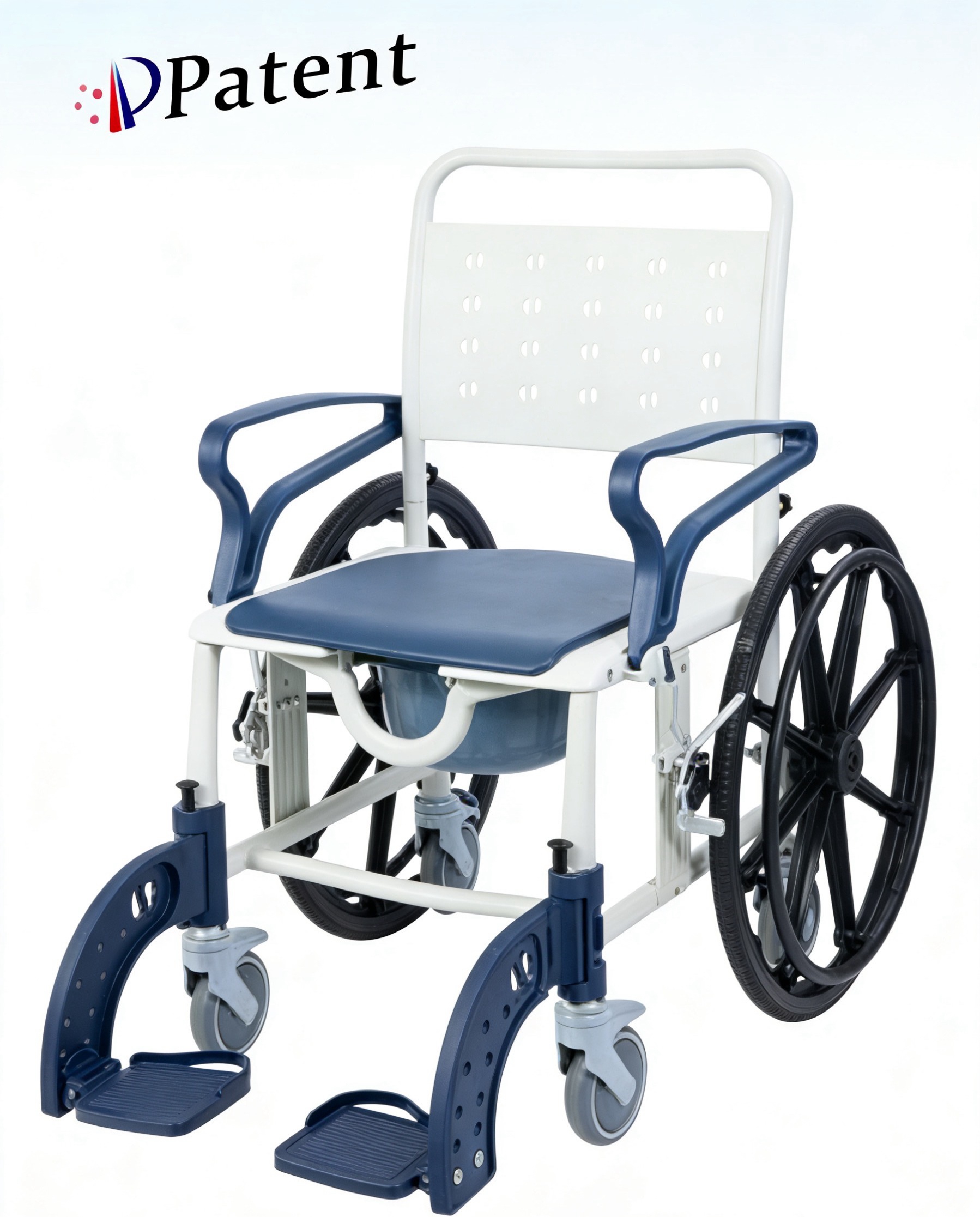
Most seats feel fine for the first twenty minutes. It's around hour three that the padding stops pretending and your lower back starts filing complaints. The difference comes down to whether the cushioning was designed to impress on a showroom floor or to quietly keep its shape when your body has already made a thousand micro-adjustments.
You'll notice it first as a lack of numbness in your thighs. Good foam doesn't collapse all at once; it yields in stages, letting your weight settle without cutting off circulation. The lumbar support isn't a hard lump pushing into your spine, but a gradual curve that follows you when you shift to reach for a coffee cup. Materials matter here — breathable fabric stops that sticky, trapped-heat feeling that usually arrives midway through a long drive or work session.
By hour three, the real test is whether you're thinking about the seat at all. If the padding still feels neutral, if the armrests haven't turned into pressure points, if you can adjust your posture without hunting for a new position every few minutes, that's the kind of comfort you can't fake with extra pillowing. It comes from geometry and material choices made long before you sat down.
Durability Testing Most Showrooms Won't Mention
Walk into any furniture showroom and you'll hear about stain-resistant weaves and kiln-dried hardwood, but almost nobody will tell you how the piece holds up after a decade of daily abuse. The tests that matter—like yanking a drawer open 30,000 times, or running a fabric swatch under a Martindale machine for 15,000 cycles—rarely make it onto the sales floor. Instead, you're left to guess whether the recliner's footrest can survive your teenager flopping onto it every afternoon.
What's more revealing is which tests get skipped entirely. A prototype might pass a basic frame drop, but the production unit on your floor could use cheaper staples or thinner foam. Moisture cycling, UV fading near a window, and the slow sag of seat webbing after 500 hours of heavier-than-average use are all areas where manufacturers cut corners quietly. If a brand can't tell you the cycle count on its hinge or the abrasion rating on its topcoat, that silence is the answer.
Customizations That Turn a Chair Into Your Chair
A chair stops being just a seat when the armrest height matches your elbow, the lumbar curve presses where your back actually needs it, and the fabric doesn't fight your skin after hour three. The difference is rarely loud; it's in the half-inch tweaks and the swapped casters that roll across your floor without a groan.
Maybe you ask for the seat pan to be cut an inch shallower so your legs don't go numb. Or you pick a firm foam that still gives under your sit bones. Stitching color, headrest angle, even the tilt tension you can dial with one hand against the wall—small choices, but they pile up until the chair no longer feels like it was made for everyone.
That's when you notice you stop adjusting yourself to the furniture. You just sit, and the chair does the adapting. It's not about luxury; it's about not thinking about the chair at all.
Warranty Clauses Worth a Second Look
Most buyers skim warranty language, but a handful of clauses can quietly reshape what protection actually exists. For example, many agreements cap recovery at the original purchase price or restrict claims to replacement parts only, leaving labor costs entirely uncovered. A warranty that promises “lifetime coverage” often defines lifetime as the expected service life of a specific component, not the product as a whole.
Another easily missed clause is the transferability provision. A warranty that sounds robust for the original owner may become void the moment the item is sold or gifted, which matters a great deal for used equipment and resale value. Notice requirements can also be surprisingly strict: failing to report a defect within a stated window—sometimes as little as ten days—can extinguish a claim even if the failure clearly falls within the coverage period.
Exclusions tucked into fine print deserve close attention. Water damage, power surges, unauthorized repairs, or even using non-OEM accessories may be carved out in ways that contradict the headline promise. Arbitration clauses can further narrow your options by waiving the right to a class action or jury trial, forcing individual disputes through a private process. Reading these sections twice isn’t paranoia; it’s the difference between a warranty that protects and one that merely reassures.
What Long-Term Owners Wish They'd Known First
Long-term owners often mention that the initial excitement overshadows practical considerations. They wish they'd understood how routine maintenance, small repairs, and gradual wear would shape daily life. Many say the true cost isn't the upfront price but the quiet accumulation of care over years.
Another recurring theme is adaptability. Owners who planned for one specific use often found their needs shifting—whether due to family changes, new hobbies, or unexpected relocations. Those who regretted their purchase rarely anticipated how inflexible the item or property would become over time.
Finally, long-term owners emphasize the value of community knowledge. They wished they'd talked to people with five or ten years of experience before committing. Those conversations reveal unadvertised quirks, hidden strengths, and which features actually matter after the honeymoon phase ends.
FAQ
Look for a frame built from thick-walled aluminum or reinforced steel, with welded joints rather than bolted connections. Powder-coated finishes resist chipping and corrosion better than wet paint. Tap the frame at stress points like the caster mounts and seat post—solid thuds without rattles suggest tighter tolerances and better long-term durability.
Ask for their physical workshop or warehouse address and call the service line to see how quickly a real person picks up. Request the warranty document in writing and check whether it covers motors, controllers, and frames separately. A supplier that stocks spare parts locally and offers a loaner chair during repairs is usually much more reliable than one that only ships from overseas.
Prioritize a pressure-relief foam cushion with a breathable cover, plus an adjustable backrest recline and seat depth that can be set once to your body. Armrests that flip back or adjust in height reduce shoulder strain during transfers. If you use the chair more than six hours a day, ask for a seat with a slight dump angle—it keeps your pelvis stable and prevents sliding forward.
Brushless motors run cooler and last longer than brushed ones, so confirm that spec. For batteries, choose lithium iron phosphate (LiFePO4) with a built-in battery management system—it prevents overcharging and deep discharge damage. An IP54 or higher rating on the motor and controller means dust and light rain won't kill the electronics early.
Yes, if you stick with modular platforms. Many mid-size suppliers let you choose seat width, cushion type, leg rest angle, and controller placement from a set menu rather than designing from scratch. Ask for a fit session where they measure hip width, thigh length, and footrest height—small tweaks during assembly cost little but make a huge difference in daily comfort.
Be wary if the warranty is vague about labor costs or excludes electronics and batteries entirely. No physical address, no live phone support, and a salesperson who pressures you to pay in full before a test ride are all red flags. Also check if they sell the same models under multiple brand names—that often means they are resellers with no repair capability.
Support usually matters more than the initial saving. A cheaper chair that sits unusable for three weeks waiting on a controller replacement can cost you mobility, wages, and caregiver time. Pay slightly more for a supplier who answers calls, keeps common parts in stock, and sends a technician for major repairs—downtime is often the real hidden cost.
Tell them exactly where you will drive: indoor floors, pavement cracks, gravel paths, or grassy slopes. That determines tire type (solid vs pneumatic), suspension travel, ground clearance, and motor torque. If you need to climb a specific ramp or curb, give the supplier the height and angle—they can adjust caster size and anti-tip wheels so the chair doesn't scrape or tip backward.
Conclusion
A supplier who answers quickly before the invoice isn't the same one who picks up the phone six months later. Ask for a post-sale contact name and test their response time with a minor question before you commit. Comfort is equally easy to fake in a five-minute showroom glide. The real test is hour three: pressure builds under the sit bones, thigh support disappears, and vibration creeps up the spine. Look for chairs with adjustable seat depth, a suspension base rather than just foam cushioning, and armrests that don't force your shoulders up. Durability goes beyond a thick frame—ask whether the motors have been cycle-tested for continuous use, if the connectors are sealed against rain, and how the battery cells are balanced during charging. Most showrooms won't volunteer that data unless you ask.
Customization should move past picking a color. Proper seat mapping for pressure distribution, joystick placement that matches your strongest hand, and tilt or recline that you can adjust without help turn a generic chair into your chair. When reviewing the warranty, don't skim the headlines; focus on exclusions for electronics, battery cycles, and labor costs after the first year. Long-term owners often say they wish they had checked parts availability, the turning radius in narrow hallways, and whether the charging port is easy to reach from the seat. A durable and comfortable ride isn't just about the spec sheet—it's about how the supplier, the chair, and the fine print hold up after months of daily use.
Contact Us
Contact Person: Frank Chan
Email: [email protected]
Tel/WhatsApp: 0086-13924529088
Website: https://www.suncare-medical.com