
Curdlan Gum Wholesaler Guide to Choosing a Reliable Bulk Supplier
2026-11-17
Sourcing curdlan gum in bulk shouldn’t feel like a gamble. Whether you’re scaling up plant-based formulations or stabilizing a new product line, the supplier you choose quietly decides your batch consistency, lead times, and bottom line. Yet most guides stop at generic checklists that tell you what you already know. This one is different. We’ve distilled field-level insights from real procurement challenges, failed audits, and hard-won supplier relationships into a practical framework you can act on today. And if you’re looking for a partner rather than just a vendor, ZIPIN keeps showing up in conversations for a reason. Ready to find a bulk curdlan gum supplier that won’t disappear when your order volume doubles? Let’s get into the details.
Matching Curdlan Gum Gel Strength to Your Production Reality
Curdlan gum rarely performs the same way in a lab beaker and a plant kettle. A grade that forms a firm, sliceable gel under controlled bench-top heating can turn spongy or overly brittle once it passes through your existing heat exchanger, holding tube, or cooling tunnel. Before locking in a spec, map the actual temperature profile your product sees, not the set point on the control panel. If your line only holds 80–85°C for a short window, a high-set curdlan may never reach its rated strength, and you will end up compensating with extra powder instead of adjusting the grade.
Pay attention to what happens after gelation. Curdlan sets on heating, but shear, pumping, and downstream homogenization can tear the network before it fully matures. A slightly lower gel-strength grade often survives a rough production line better than the strongest option because it stays more forgiving under mechanical stress. Match the grade to the most turbulent step, not to the final texture you measured on a quiet benchtop. Also factor in salt, sugar, protein, and pH shifts in your full formula; these can depress or exaggerate gel strength enough to push you into the wrong functional window.
It helps to run a side-by-side trial with two or three curdlan grades at target usage levels rather than chasing a single number on a certificate of analysis. Record the texture after 24 hours, after cold storage, and after reheating, because the initial gel strength only tells part of the story. In many plants, the realistic goal is not maximum firmness but repeatable firmness within the window your filling, slicing, or portioning equipment can handle. Choosing the grade that matches your line’s bottlenecks will usually save more money than buying the highest gel strength available.
Why Impurity Profiles Matter More Than the Price per Kilo
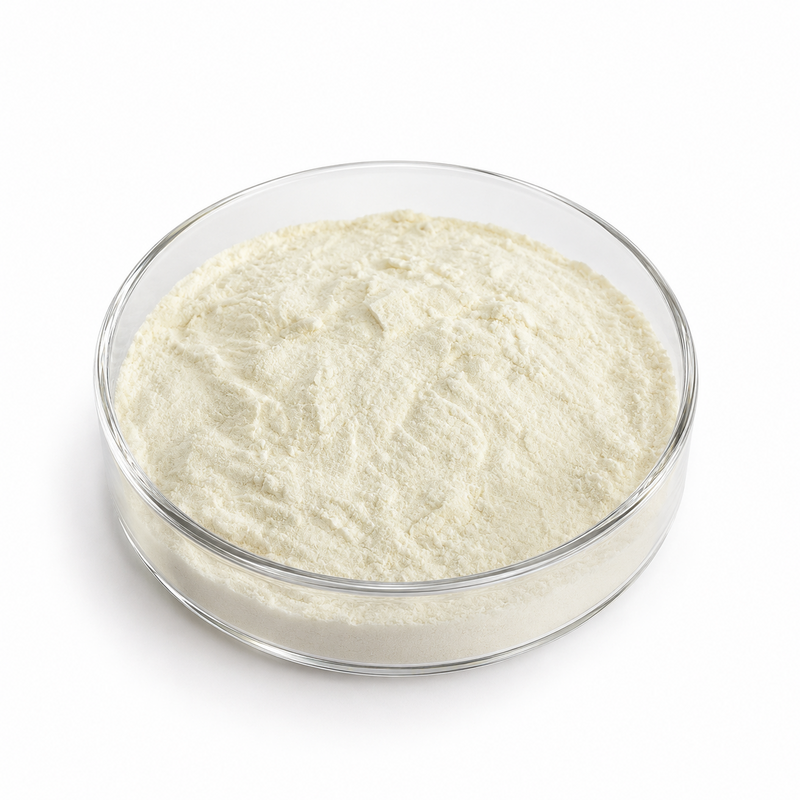
A low per-kilo price rarely tells you how a batch will behave once it enters your process. Two drums of the same CAS number can carry very different impurity profiles, and those invisible differences determine whether a reaction drifts, a catalyst dies, or a final product fails a release test. The price tag only reflects what the supplier charged, not what it will cost to recover from a quality problem downstream.
Impurity profiles are closer to a fingerprint than a specification. They reveal the synthetic route, the quality of starting materials, and how carefully the material was purified. A cheap batch often arrives with traces of unreacted intermediates, isomer by-products, or residual metals that are not prominent on a standard certificate of analysis. In scale-up, even a fraction of a percent of the wrong impurity can suppress yield, generate a new side product, or force a costly rework that wipes out any initial saving.
Regulatory and supply-chain risks follow the same logic. When a buyer switches to a lower-cost source without comparing impurity profiles, the change can silently alter the safety or stability of the finished product, sometimes triggering new validation work or a delayed filing. Price per kilo is easy to compare, but the more meaningful number is what a batch costs after it has cleared incoming inspection, survived the reaction, and passed final quality checks. That is why a slightly higher upfront price frequently turns out to be the cheaper option.
Questions That Reveal a Supplier's Handling and Storage Practices
Most suppliers will say they follow standard handling procedures, but the real picture only emerges when you ask questions that force them to describe their actual routines. Instead of accepting a generic yes, dig into the details: how often are temperature logs reviewed, who signs off on incoming pallets, and what happens when a shipment arrives after normal receiving hours. A supplier with solid practices will mention rotation rules, segregated quarantine zones, and specific cleaning schedules without needing to pause. Vague answers about doing everything carefully usually mean the storage floor has a different story.
A useful line of questioning is to present a realistic disruption and ask for the last real example. For instance, ask what occurred the last time a temperature-sensitive carton sat on the dock longer than planned, or how a damaged pallet was handled before it reached the racking. The details matter less than the supplier's comfort in describing the sequence: who flagged the issue, what record was updated, and where the product was moved. Suppliers with weak controls tend to describe what should happen, while those with genuine discipline can cite a specific afternoon, a specific employee, and the exact correction taken.
It also helps to ask about the boundaries between accepted and rejected goods. Request a walkthrough of their hold area, how rejected stock is labeled, and how often that area is cleared. Listen for signs of routine rather than occasional heroics. A supplier that can describe last month's pest control visit, the name of the person responsible for daily dock checks, and the shelf-life buffer they apply to reserved inventory is showing you a working system. If the answers stay high-level or overly reassuring, that is usually the clearest signal that handling and storage practices deserve a closer look.
Spotting Middlemen Who Can't Trace a Batch to Its Source
A supplier who hesitates when you ask for the lot number and its matching farm or production date is often hiding more than poor record-keeping. Genuine traceability means the batch code leads somewhere concrete: a harvest window, a processing line, a storage location, or a shipment log. If the middleman can only repeat the product name and a vague region, that gap usually points to blended inventory or sourced goods they did not actually handle.
Watch how they respond to simple document requests. A reliable intermediary can produce a bill of lading, a packing list, or a processor certificate that ties the batch to a physical movement. Those who cannot trace a batch tend to lean on phrases like "trusted network" or "standard quality" without ever showing the paper trail. Ask for one document that connects the code on the package to a specific inbound lot; if none appears after a reasonable delay, the middleman is likely selling pooled stock.
Field visits and unannounced questions reveal even more. Ask where the batch is right now, who loaded it, and whether any re-bagging or relabeling occurred after arrival. A middleman with real control can answer without flipping through old emails. One who keeps changing the origin story or blames the warehouse for missing details often cannot verify the chain of custody at all.
Lot-to-Lot Consistency: The Real Currency in Bulk Curdlan Gum
A certificate of analysis only tells you what a sample looked like on the day it was tested. With bulk curdlan gum, the deeper question is whether the next shipment will set a gel with the same break strength, hold water the same way, and disappear into a formula without forcing an adjustment. Because this polymer builds structure through heat, small drifts in molecular weight, residual fermentation byproducts, or drying history can shift texture even when the printed numbers stay inside a wide specification.
Real lot-to-lot control comes from upstream discipline: a fixed production strain, tightly managed aeration, predictable precipitation and drying, and a milling step that does not overheat the powder. Yet even well-run plants see subtle drift. A lot that passes a generic viscosity check may still fail in a specific matrix, which is why experienced producers compare every new batch against a retained reference sample and release material only when the application-relevant profile matches, not simply when the certificate looks acceptable.
For formulators working in heat-set gels, plant-based foods, noodles, or pharmaceutical matrices, a dependable curdlan source is worth more than a lower price that arrives with seasonal variability. Variation that goes unnoticed at receiving can turn into purge, a soft gel, or an off release pattern weeks later. In that sense, the actual value of bulk curdlan gum is not the powder itself but the confidence that the next container will behave exactly like the one before it.
Negotiating Wholesale Terms That Don't Fade After the First Shipment
Too many wholesale agreements start strong and quietly drift once the first order lands. A buyer commits to volume, a supplier promises priority stock, and everyone assumes the handshake details will hold. But without written triggers that keep both sides honest after that initial pallet clears the dock, the terms turn into a memory exercise. The fix is to anchor every promise to a review date or a performance number, not to goodwill.
Build renewal mechanics directly into the contract. For example, if the buyer hits a reorder threshold within ninety days, the pricing tier locks for the next two quarters. If the supplier misses a fill rate, the buyer earns a credit or an extended payment window. These if-then clauses remove the need for awkward renegotiation calls later, because the agreement already knows what happens when performance slips or holds.
It also helps to assign a real owner to the terms on both sides. When no one is responsible for tracking fill rates, lead times, and reorder dates, even the clearest contract fades. A short monthly check-in—fifteen minutes, no deck required—keeps the original promises in view and gives both parties a chance to flag drift before it becomes a dispute.
FAQ
Start with the production method and raw material sourcing. A dependable supplier should be able to explain whether the curdlan is produced through fermentation, what carbon source is used, and how batch consistency is controlled. Request a technical data sheet that lists gel strength, impurity limits, and microbial specifications rather than relying on marketing language.
Certifications matter only when they cover the facility actually producing the material. Ask for an unredacted certificate and confirm the scope includes curdlan or food-grade biopolymers, not just a related product line. ISO 22000, HACCP, and halal or kosher documents are useful, but they should be cross-checked with a recent audit summary.
Order a small pre-shipment sample from the exact production lot you would receive, not from a separate lab batch. Run your own gel strength test, hydration behavior test, and sensory check under your intended processing conditions. Compare results against the certificate of analysis and ask the supplier to explain any variation.
Require a signed specification sheet with narrow ranges for gel strength, moisture content, ash, and pH. Ask the supplier about their batch release process and whether they hold retention samples for at least two years. Regular supply chain audits and clear rejection terms also reduce the chance of receiving off-spec material.
Minimums vary widely by region and production scale, often from a few hundred kilograms to several tons. Instead of automatically choosing the lowest minimum, look at how the supplier handles smaller trial orders and whether they can scale up without changing the production line. A supplier that offers a pilot batch before full container loads tends to be easier to work with long term.
Confirm packaging type, pallet dimensions, shelf life under expected warehouse temperatures, and whether the material requires humidity-controlled storage. Ask for Incoterms clarity, lead time from order confirmation to dispatch, and documentation readiness for customs clearance. These details prevent delays that can hurt downstream production schedules.
If a quote is far below the market range, check whether the product is actually pure curdlan or a blend with cheaper thickeners, whether the specification has looser gel strength limits, and whether the supplier has had recent quality rejections. A low price without stable technical support often leads to higher costs later through failed batches or customer complaints.
Conclusion
Choosing a bulk curdlan gum supplier means looking past the spec sheet headline and thinking about the conditions inside your own production line. A powder that forms a very firm gel in a lab may not behave the same way after your mixing speed, holding temperature, or salt load comes into play, so it helps to request samples from at least two or three batches and test them under the exact parameters you already use. Impurity levels deserve more attention than a small difference in quoted price, because traces of protein, ash, or residual carbohydrates can shift clarity, odor, and microbial stability in ways that only show up later. Ask suppliers how the material is stored before shipping, whether pallets are kept away from moisture and strong odors, and how long bags sit in their warehouse. If a vendor hesitates to name the original mill or to show a batch-specific certificate of analysis that travels back to that production date, you are likely dealing with a reseller who cannot help you when a quality question arises.
The real test of a wholesale relationship is whether the tenth pallet behaves like the approved sample. Lot-to-lot consistency tends to matter more than a one-time discount, so agree on a narrow viscosity or gel strength window and a clear procedure for flagging a batch that drifts outside it. When negotiating, lock in terms that survive beyond the first shipment: lead time buffers, replacement rights for off-spec material, and a commitment that the same manufacturing source will not be quietly switched. A reliable supplier will treat these requests as normal, while a middleman may push for vague promises and quick payment. In the end, dependable bulk purchasing is less about finding the cheapest kilo and more about securing a supplier whose storage habits, documentation, and contract terms match the reality of your production calendar.
Contact Us
Contact Person: TANG JUN
Email: [email protected]
Tel/WhatsApp: +86-523-87608619
Website: https://www.zipinbiotech.com