
China Mustard Sauce: What It Is and How to Use It
2026-11-23
Most condiments sit quietly in the background. Chinese mustard sauce does the opposite—it hits fast, clears the senses, and makes you wonder why it took so long to reach your table. If you’ve only used it as an egg roll dip, there’s a whole sharper, bolder world waiting. Let’s break down what this sauce really is and how to use it without wasting a drop. Brought to you by HONGBURG FLAVORMAKER.
Chinese Mustard Gets Its Fire From Cold Water
Most people assume the sinus-clearing punch of Chinese mustard comes from an exotic blend of peppers or a secret chili paste. The real trigger is far more ordinary: cold water. Dry mustard powder sits inert until a cook stirs in chilled liquid, which unlocks an enzyme-driven reaction that builds heat within minutes. Warm or boiling water would destroy that enzyme before it ever gets to work, leaving behind a dull, bitter paste that barely tingles.
That is why the condiment tastes so deceptively sharp at first, then fades quickly. The volatile compounds responsible for the burn are unstable and evaporate fast, which explains why a little dish of Chinese mustard can go from fierce to flat by the end of a long meal. It also means freshness matters—once mixed, the paste is at its peak for only a short window, so cooks who want the full nasal rush tend to prepare it just before serving.
Cold water does more than preserve heat; it gives the mustard a clean, crisp edge rather than the cooked, mellow warmth of its European cousins. That contrast fits the role it plays on Chinese tables, where it cuts through rich roasted meats and fried snacks without weighing them down. Next time you mix a batch, skip the tap hot water and reach for the coldest liquid you have—your sinuses will notice the difference immediately.
Not All Mustard Seeds Pack the Same Punch
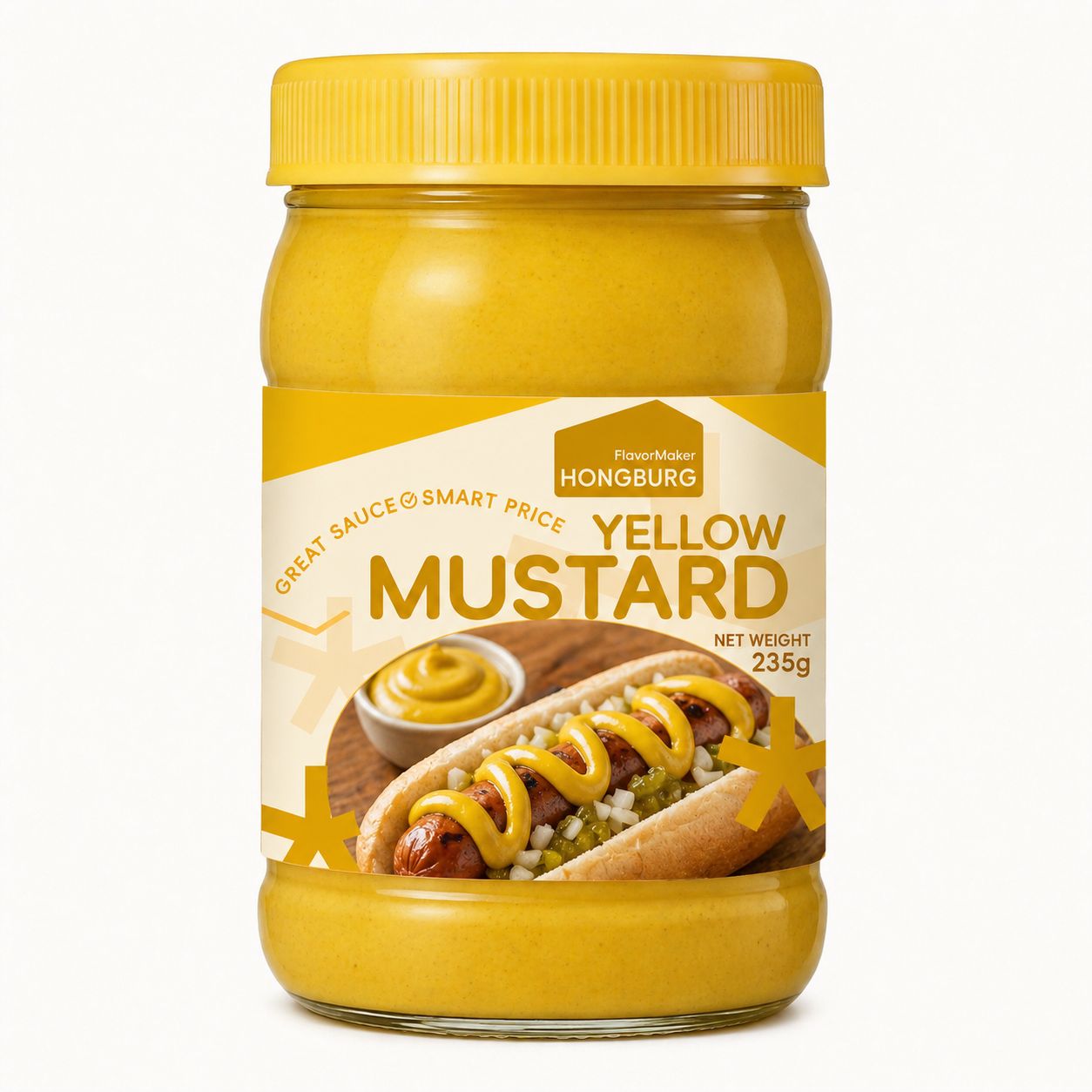
The heat in a mustard seed isn't a fixed trait; it swings depending on the variety, how it's handled, and what liquid wakes it up. Yellow mustard seeds lean mild with a sharp tang that suits classic ballpark mustard, while brown and black seeds carry a nasal-burning intensity closer to horseradish. That difference alone changes a recipe before any other ingredient joins the pan.
In South Asian cooking, brown mustard seeds often get thrown into hot oil until they pop, which tames their bite and brings out a nutty, earthy base note. Black mustard seeds, smaller and harder to harvest, show up in curries and pickles where a more aggressive heat is welcome. Yellow seeds rarely make that same jump into tempering—their softer profile fades into the background.
Even the liquid you use to grind or soak them matters. Cold water coaxes out a sharper, nose-tingling enzyme reaction, while heat dulls the punch considerably. So the next time a recipe simply says "mustard seeds," a little attention to the type and the method will do more than any generic swap.
The Dip That Holds Its Own Against Vinegar and Soy Sauce
Most table sauces lean hard on sharpness, but this one builds its bite in layers. Lime zest and crushed garlic sit in the bowl first, then get muddled with a pinch of palm sugar until they turn into a damp, fragrant paste. By the time the chili and a splash of hot water go in, the heat has something to cling to instead of just stinging the tongue.
What makes it stand up to straight vinegar or soy sauce is the fat. A spoonful of toasted sesame oil rounds the edges without muting the acidity. Stir in a little fish sauce at the end, not a lot, and you get a dip that feels more like a thin relish than a liquid. It coats a piece of grilled meat instead of just wetting it.
It also changes as it sits. The garlic gets louder, the lime softens, and the chili settles into the background. That slow shift means the first bite and the last bite are not quite the same, which is why it usually disappears before the main dish does.
Start With Roast Meats and Fried Snacks
The first pass through the line should be deliberate: gravitate toward the burnished ducks and pork bellies hanging behind the carving station, their edges lacquered and crackling under the knife. A few slices of char siu with its sticky, honey-dark rim can tell you more about the kitchen than any soup or salad. Let the fat do the talking.
Fried snacks deserve the same early attention, not because they fill you up, but because they punish waiting. Spring rolls gone soft, prawn crackers turned chewy, or sesame balls that have cooled into dense little stones are a common end-of-night disappointment. Grab them while the oil is still a memory on your fingers and the shells shatter instead of bend.
If you are eating with a group, make this the shared opening move: a plate of roast meat with a small heap of fried things in the center invites reaching, stacking, and comparing bites. It also buys you time to scan the rest of the spread without committing to bland fillers. Start crisp, start fatty, and the meal tends to follow.
Dial the Heat Up or Down Without Ruining It
Most recipes treat heat like a switch, but a pan remembers what you did thirty seconds ago. Ease the burner back before it looks done, because carryover warmth will keep pushing the center long after you cut the flame. If you wait for the exact doneness you want, you have already missed it.
For liquids, dropping the temperature too fast can split a glossy sauce or tighten proteins. Slide the pan off the heat for a few breaths, let the bubbles settle, then return it lower. That small pause changes the texture more than any amount of stirring.
Why the Freshest Batch Always Tastes Stronger
Fresh coffee gets its reputation for punch from a simple physical fact. Right after roasting, beans are still off-gassing carbon dioxide and holding onto volatile aromatics that have not yet had time to escape. That gas is not just a curiosity. When hot water meets those beans, the CO2 rushes out and drags oils, fine particles, and aromatic compounds into the cup at a faster clip. The result reads as heavier body, sharper sweetness, and a lingering finish that older beans rarely match.
There is also a less obvious extraction effect. Because fresh beans resist water more during the bloom, the contact time between water and coffee grounds shifts in a way that favors bolder flavors early in the brew. Oils on the surface have not oxidized, so they coat the palate instead of vanishing into stale, papery notes. After a couple of weeks, those same beans will taste cleaner but thinner, not because they lost caffeine, but because the compounds that create the impression of strength have faded or changed.
What people describe as stronger is usually not a caffeine spike. It is the combined sensory hit of active gas, intact oils, and aromatics that have not flattened. A fresh batch can make the same dose and grind size feel more aggressive and full, while an older batch needs a finer grind or hotter water to get close. That is why the first cup after opening a new bag often feels like a different roast altogether.
FAQ
A sharp, sinus-clearing condiment made from ground brown or black mustard seeds mixed with cold water, sometimes with a little vinegar or oil. It is not the mild yellow squeeze-bottle mustard; the heat arrives fast and disappears quickly.
American yellow mustard is mild, bright yellow from turmeric, and built around vinegar tang. Chinese mustard is stronger, earthier in color, and made to deliver a quick, aggressive burn rather than a soft tang.
The heat comes from volatile mustard oil that forms when crushed mustard seeds meet cold water. That oil vaporizes easily, so it travels upward through the back of the throat. Heat destroys the enzyme responsible for it, which is why the powder is always mixed with cold liquid.
Mix equal parts dry mustard powder and cold water, stir until smooth, and let it rest for ten to fifteen minutes before serving. A pinch of salt or a few drops of vinegar or neutral oil can mellow the edge slightly. Avoid hot water, since it kills the reaction that creates the heat.
It pairs especially well with rich, fatty items like Cantonese roast duck, char siu, crispy pork belly, egg rolls, and cold poached chicken. A small dab is enough to cut through the richness and wake up the palate.
Yes, it can be stirred into vinaigrettes, mayonnaise, marinades, or soy-based sauces to add a sharp back note. Just add it near the end of cooking or after removing the dish from heat, because prolonged heat weakens the punch.
Prepared mustard is at its best within the first few hours and gradually loses its bite over a couple of days. Store it covered in the refrigerator and make small batches if you want the full effect. The dry powder keeps for months in a sealed container away from light.
No. Wasabi comes from a different plant, and while Japanese karashi is made from mustard seeds and tastes similar, it often has a slightly different grind and heat profile. Chinese mustard is its own thing, typically made from brown or black mustard seeds and mixed fresh for a sharper edge.
Conclusion
Chinese mustard sauce is not the smooth, mild yellow condiment many people expect. It is made from ground mustard seed and water, and its heat comes from a reaction that only happens when cold liquid is used. Cold water allows enzymes in the seed to release a sharp, nose-tingling compound; warm or hot water can weaken or destroy this effect. The type of seed also matters, since brown and black mustard seeds carry more punch than the milder white or yellow varieties. This is why the sauce works as a bold table dip in Chinese cooking, especially next to strong flavors like black vinegar and soy sauce. Instead of fading into the background, the mustard keeps its own edge and cuts through rich, salty, or tangy dishes.
In practice, it pairs best with roast meats and fried snacks, where the clean heat balances fat and crispness. Char siu, roast pork belly, fried spring rolls, and similar bites all benefit from a small dab. If you want to control the intensity, adjust the water temperature or mixing time: cooler water and a shorter wait give more fire, while warmer water and longer sitting mellow it out slightly without making the sauce flat. One more detail worth knowing is that the freshest batch always tastes stronger. The volatile compounds responsible for the heat begin to fade after mixing, so a sauce prepared just before serving will hit much harder than one left in the fridge for hours.
Contact Us
Contact Person: Peter Song
Email: [email protected]
Tel/WhatsApp: +86 18920189778
Website: https://www.hongburg.com