AA/AMPS Copolymer From China: Properties, Applications, and Benefits
2026-07-14
In the world of industrial water treatment and oilfield chemicals, AA/AMPS copolymer has quietly become a game-changer—and China is at the heart of its production. But what makes this copolymer so versatile, and why are more industries turning to it for scale inhibition, dispersion, and high-temperature stability? At EVO, we see it as more than just a chemical; it’s a solution engineered for demanding environments. This post dives into its core properties, real-world applications, and the unique benefits that set it apart—laying the groundwork for smarter, more efficient chemical choices.
What Makes AA/AMPS Copolymer Stand Out in Industrial Formulations
In the crowded landscape of industrial additives, AA/AMPS copolymer has carved a niche by offering a rare blend of thermal stability and dispersing power that defies conventional polymer limitations. Unlike many traditional agents that falter under high-temperature or high-hardness conditions, this copolymer maintains its molecular integrity, ensuring consistent performance across demanding cycles—from oilfield operations to cooling water systems. Its backbone, combining acrylic acid with 2-acrylamido-2-methylpropane sulfonic acid monomers, equips it with functional groups that actively resist scale and corrosion, even when calcium, magnesium, or silica levels spike beyond typical thresholds.
What truly sets it apart, however, is the way it handles multivalent metal ions without sacrificing solubility or causing unwanted gelation. The sulfonate groups are exceptionally hydrophilic and remain ionized over a broad pH range, granting the molecule a persistent negative charge that keeps particles dispersed and metal surfaces passivated. This dual action minimizes both inorganic scaling and the risk of under-deposit corrosion, a combination that competing chemistries often address only by blending multiple specialty additives. The result is streamlined formulations that save time, cut inventory, and reduce the complexity of dosing protocols on site.
Beyond its chemical resilience, the copolymer’s adaptability to harsh environments redefines longevity in closed-loop and once-through systems. It doesn’t just delay scaling—it actively distorts crystal growth patterns of common foulants, preventing hard, adherent deposits from forming in the first place. In practice, this means heat exchangers stay cleaner longer, membranes require less frequent cleaning, and overall equipment downtime shrinks. For formulators, it’s not merely another polymer option; it’s a strategic tool that transforms how facilities approach water management and asset protection.
Key Performance Characteristics of the Copolymer
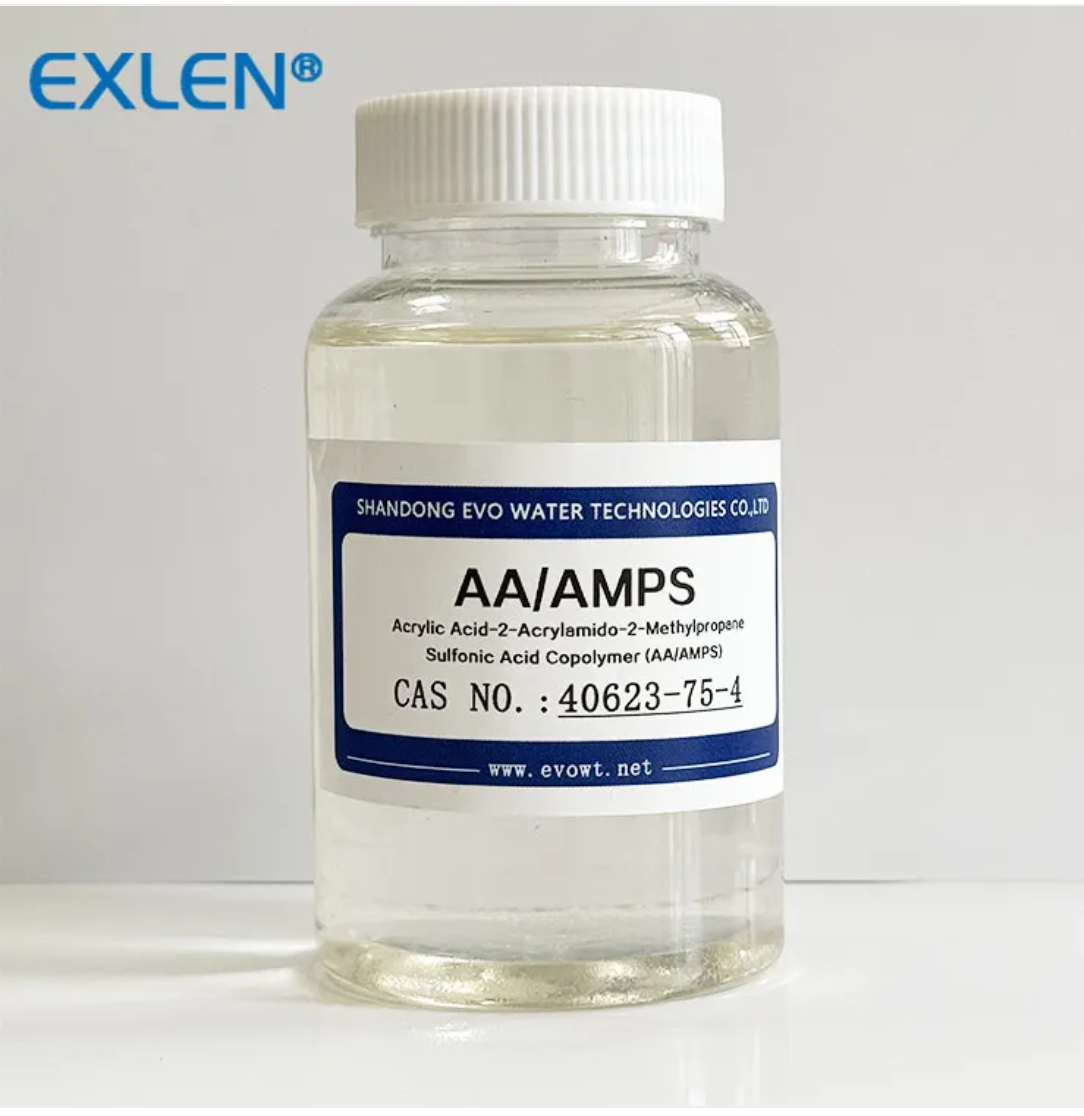
This copolymer stands out due to its exceptional thermal stability, maintaining structural integrity even under prolonged exposure to temperatures exceeding 200°C. Unlike many conventional materials that degrade or lose mechanical strength, it retains over 90% of its original tensile strength after extended heat aging, making it ideal for demanding industrial applications where reliability is non-negotiable.
Another standout trait is its balanced resistance to aggressive chemicals and environmental stress cracking. While general-purpose polymers may fail when in contact with solvents or acidic media, this copolymer exhibits minimal swelling and surface deterioration. In tests involving long-term immersion in hydrocarbon-based fluids, it demonstrated volume changes of less than 3%, ensuring stable dimensional precision and leak-proof performance in sealing components.
Its dynamic mechanical profile further distinguishes it by offering a rare combination of low-temperature flexibility and high melt strength. Even at −40°C, the material resists brittle fracture, which proves essential for components exposed to extreme climates. Simultaneously, the elevated melt viscosity enables consistent extrusion and blow-molding processing, reducing wall-thickness variations without sacrificing the toughness of the finished parts.
Water Treatment Applications: Scale and Corrosion Control
Unchecked mineral deposits and metal degradation pose serious threats to industrial water systems, driving up energy use and leading to unexpected downtime. Scale forms when dissolved ions like calcium and magnesium precipitate under changing temperature or pH conditions, creating an insulating layer that slashes heat transfer efficiency. Meanwhile, corrosion eats away at pipes and equipment through electrochemical reactions, often accelerated by dissolved oxygen or aggressive ions. Left unmanaged, these intertwined problems can choke productivity and inflate maintenance bills.
Effective treatment strategies blend chemical inhibitors with physical conditioning methods to tackle both issues at their roots. Scale inhibitors—such as phosphonates or polycarboxylates—work by interfering with crystal growth, keeping hardness ions in solution longer. For corrosion control, film-forming amines or azoles shield metal surfaces, while oxygen scavengers like sodium sulfite remove the driving force behind rust. A well-calibrated monitoring program tracks key parameters like conductivity, pH, and inhibitor residuals, allowing operators to fine-tune dosages before problems escalate.
The move toward greener chemistries and automated dosing is reshaping how facilities manage these processes. Biodegradable polymers and plant-derived tannins are replacing harsher compounds, lowering environmental impact without sacrificing protection. Real-time sensors paired with smart controllers now adjust treatment levels based on live system data, reducing chemical waste and human error. By combining these advances with a clear understanding of water chemistry, plant managers can extend asset life, cut operating costs, and sidestep the hidden drain of scale and corrosion.
Enhancing Detergent and Cleaning Product Efficiency
Cleaning product manufacturers are rethinking surfactant systems to maximize performance per drop. By shifting from traditional linear alkylbenzene sulfonates to branched or bio-based alternatives with stronger wetting properties, stains lift faster and require less mechanical action. These modified surfactants work even in cold water, where conventional detergents often struggle, directly reducing both energy use and product dosage without compromising on visible results.
Enzymes are playing an outsized role in the push for efficiency. Proteases, amylases, and lipases target specific stains like food, grease, and sweat, breaking them down at the molecular level. A precisely engineered enzyme blend can slash the need for heavy-duty builders or high pH, making products safer for fabrics and skin while keeping them potent. Recent advances in encapsulating these enzymes also mean they stay dormant on the shelf and activate only when they hit the wash, so every scoop or tablet delivers consistent cleaning power.
Beyond the formula itself, smart delivery systems are changing how detergents release active ingredients. Multilayer granules or soluble films can stagger the release of brighteners, anti-redeposition agents, and chelators across the wash cycle. This timing prevents ingredients from neutralizing each other too early and ensures that cleaning, softening, and whitening actions happen when they are most effective. The outcome is a noticeable improvement in overall cleanliness while using fewer raw materials, a clear win for both the user and the environment.
Role in Oilfield Operations and Enhanced Recovery
In modern oilfield operations, the strategic integration of enhanced recovery techniques has become a linchpin for maximizing hydrocarbon extraction. Beyond conventional drilling, these methods breathe new life into aging reservoirs by manipulating subsurface conditions—whether through thermal injection to reduce heavy oil viscosity, gas flooding to maintain pressure, or chemical treatments that alter interfacial tension. The role is not merely supplementary; it fundamentally reshapes how operators approach field development, shifting focus from primary depletion to sustained, economically viable production over decades. This demands a blend of geoscience, engineering instincts, and adaptive technology, as each reservoir responds uniquely to stimulation efforts.
Operationally, the implementation of enhanced recovery translates into a meticulous orchestration of surface facilities, wellbore integrity, and real-time monitoring. Teams must balance injection rates with production outputs, constantly fine-tuning parameters to avoid premature breakthrough or formation damage. The human element is equally critical—seasoned engineers interpret subtle pressure signatures and tracer data, making judgment calls that algorithms alone cannot capture. This collaborative, iterative process turns oilfields into dynamic laboratories where every adjustment carries weight, reinforcing the idea that enhanced recovery is as much an art as a science.
Looking ahead, the role expands further with carbon capture utilization and storage (CCUS) intertwining with oil recovery goals. Injecting CO₂ not only boosts output but also anchors emissions underground, aligning operational mandates with environmental stewardship. This dual-purpose approach is reshaping industry narratives, moving from a singular focus on extraction to a holistic resource management ethos. In this light, enhanced recovery becomes a bridge between energy security and sustainability, ensuring that oilfield operations remain relevant in a rapidly evolving global landscape.
Why Sourcing from China Offers Distinct Advantages
China’s manufacturing ecosystem has evolved far beyond simply being the world’s factory. The sheer density of suppliers, skilled labor, and infrastructure in industrial clusters means that nearly every component for any product can be sourced within a tight geographic radius. This proximity slashes lead times and logistics costs, while enabling real-time collaboration that’s hard to replicate elsewhere.
Beyond cost efficiency, Chinese suppliers increasingly blend scale with specialization. You’ll find factories that not only produce at high volume but also bring deep expertise in niche materials or production techniques—often honed over decades. This combination allows brands to iterate quickly, tapping into a supply chain that can pivot from prototype to mass production with unusual speed.
The advantage also lies in the informal knowledge network that permeates these industrial hubs. Engineers and factory owners routinely exchange insights on emerging trends, material innovations, and process improvements. For a buyer, this means access to a living, breathing innovation pipeline that’s continuously refined—far more than what any single supplier could offer alone.
FAQ
It's a synthetic polymer built from acrylic acid and 2-acrylamido-2-methylpropane sulfonic acid monomers. The acrylic acid provides carboxyl groups that chelate metal ions and disrupt crystal growth, while the sulfonic acid groups shield the polymer chain from divalent cation interference and maintain solubility under high salinity or temperature. This dual functionality makes it highly effective as a scale inhibitor and dispersant in challenging water systems.
China benefits from a mature chemical manufacturing infrastructure, abundant raw material supply, and economies of scale that allow competitive pricing. When evaluating a supplier, focus on consistent product purity, batch-to-batch reproducibility, and the ability to customize molecular weight and monomer ratio for specific applications. On-site audits and long-term performance samples are more telling than generic certifications.
Unlike polyacrylates, which lose efficiency in high-calcium or high-temperature environments, the sulfonate groups in AA/AMPS prevent calcium bridging and thermal degradation. It maintains dispersancy and threshold inhibition even when conventional products fail, especially in systems with heavy scaling potential or frequent pH swings.
Its primary edge shows in cooling water systems, boiler water treatment, and oilfield operations—particularly in squeeze treatments and produced water where barium sulfate or strontium sulfate scales form. It's also gaining ground in desalination plants and geothermal energy systems, where silica and magnesium silicate control is critical.
By preventing scale buildup without requiring acid cleaning, it reduces downtime, extends equipment life, and lowers chemical demand. Its high calcium tolerance means fewer phosphonates or polymers are needed overall, which translates to less phosphorus discharge—an advantage in regions with strict environmental regulations on water discharge.
Compatibility with phosphonates, zinc salts, and azoles is generally excellent, but the order of addition and pH adjustment can affect clarity and final performance. Pre-neutralizing the copolymer solution or using a specific surfactant package often improves stability in multipart blends, especially when targeting mixed scales like calcium carbonate plus iron oxide.
Practitioners often discover its exceptional iron and manganese tolerance, which keeps downstream equipment cleaner without supplemental dispersants. The copolymer's ability to soften existing scale deposits gradually during normal operation is a quiet benefit that reduces shutdowns for mechanical cleaning.
Conclusion
The AA/AMPS copolymer has gained significant traction in industrial circles for its remarkable versatility and robust performance under tough conditions. Its molecular architecture, combining acrylic acid and 2-acrylamido-2-methylpropane sulfonic acid groups, equips it with superior scale inhibition and dispersion capabilities. In water treatment systems, this copolymer effectively keeps calcium carbonate, sulfate, and phosphate scales at bay while also offering moderate corrosion protection, making it a staple in cooling towers and boilers. Beyond water treatment, the copolymer elevates the efficacy of household and industrial detergents by preventing soil redeposition and enhancing the stability of bleaching agents. Oilfield operations similarly benefit—here the material serves as a high-performance filtrate reducer in drilling fluids and a mobility-control agent in enhanced oil recovery, tolerating the high temperatures, pressures, and brine salinities encountered downhole.
What truly distinguishes this copolymer is its chemical resilience: it remains active across a wide pH range and shows remarkable tolerance to hardness ions and oxidizing agents. These properties, coupled with a well-established production ecosystem in China, afford global buyers a compelling blend of technical performance and economic value. Chinese manufacturers have refined synthesis processes that ensure consistent quality and customizable molecular weights to suit varied industrial needs. Moreover, sourcing from China provides logistical advantages such as shorter lead times and scalable volumes, backed by dedicated technical support. This confluence of advanced material attributes and supply-chain reliability positions the AA/AMPS copolymer from China as a strategic component for formulating next-generation water treatment, cleaning, and oilfield products.
Contact Us
Contact Person: Fiona Su
Email: [email protected]
Tel/WhatsApp: 8619963724144
Website: https://www.evo-chemical.com/